
Review · JAPAN
Enjoy cycling in Tokyo
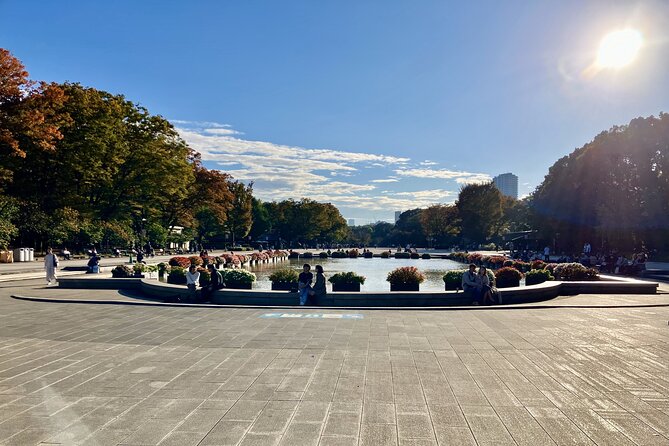
Tokyo is easier to understand from a bicycle seat than from a train window. This rental starts in Asakusa, where you can pedal toward parks, rivers, old buildings, shrines, and quieter corners that are easy to miss on foot. You choose the route, with suggested courses for famous sights or lesser-known places.
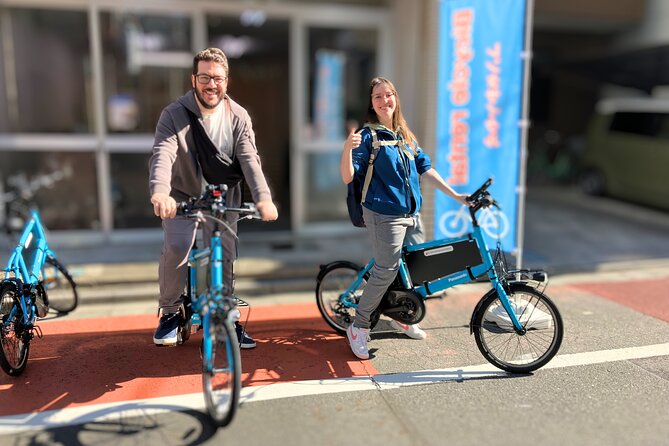
I like the choice of a cross bike or electric-assisted bicycle, since you can match the ride to your comfort and energy. I also like the practical touches: a helmet, liability insurance, traffic-rule card, and a phone holder on the handlebar, which one rider found very useful for Google Maps.
The main catch is simple but important: this is a bicycle rental, not a guided tour. You receive the bike and route ideas, but no guide leads you through Tokyo or explains each sight. Navigation and pacing are yours to manage.
Key points to know before you ride
- Start in Asakusa: The shop is at 6-chōme175 Murashima Building, Taito City, close to public transportation.
- Choose your bike: Cross bikes and electric-assisted bicycles are available. Standard suitability begins at 145 centimeters in height.
- Follow a suggested route or make your own: One course focuses on famous sights, while another points toward lesser-known places.
- Plan for two to four hours: The listed duration is about two hours, but each recommended course may take from two to four hours.
- Ride independently: There is no guide, so you will use the route card, Google Maps, or your own plan.
- A useful low-cost Tokyo activity: At $7.19 per person, the rental can be excellent value if you want several hours of flexible sightseeing.
Starting in Asakusa, Tokyo’s best launch point
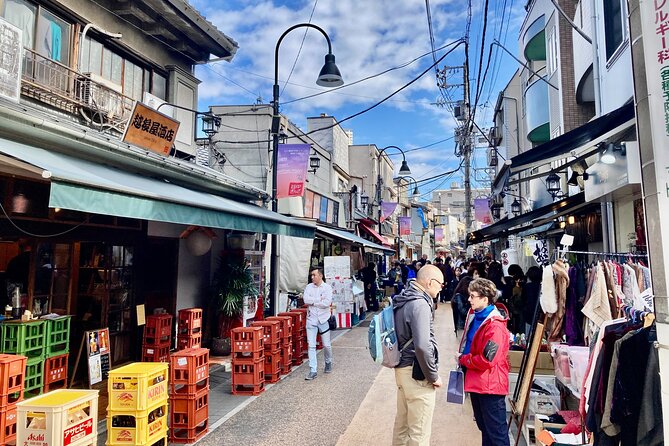
The meeting point is in Asakusa, in Tokyo’s Taito City, at Japan, 111-0032 Tokyo, Taito City, Asakusa, 6-chōme175 Murashima Building. The area is well connected by public transportation, which makes it a practical place to begin and end a short ride.
Asakusa is also a smart base for cycling. You are near historic buildings, open spaces, river routes, and well-known attractions. That gives you several ways to spend the rental. You might use the bike for a focused two-hour outing, or keep riding for most of the day if the rental arrangement allows it.
The activity ends back at the same meeting point. That matters in Tokyo, where a one-way ride can leave you far from your accommodation or from the railway station you planned to use. You do not need to arrange a separate return point.
Allow enough time at the start to collect the bicycle, select the right size and style, and understand the traffic information. Confirmation is sent within 48 hours of booking, subject to availability, so you should not assume that a last-minute request will be accepted.
A few more rides around Japan worth a look
- Tokyo Great Cycling Tour
★ 5.0 · 811 reviews - Tokyo Top Highlights 3h Guided E-bike Tour
★ 5.0 · 714 reviews - Hiroshima in a Nutshell: Morning Bike Adventure
★ 5.0 · 524 reviews
Picking between a cross bike and an electric-assisted bike
You have two main bicycle choices. The cross bike should suit riders who want a straightforward, active ride. The electric-assisted bicycle is the more forgiving option if you do not cycle often, expect a longer route, or simply want to save energy for sightseeing.
The available height guideline is 145 centimeters or more. If you need a children’s bicycle or a bicycle with a child seat, contact the shop before booking. Those options are not listed as standard inclusions, so do not arrive assuming they will be ready.
A helmet is included, along with liability insurance. The shop also provides a card with traffic rules. This is useful in a city where road markings, traffic flow, and bicycle etiquette may differ from what you are used to at home.
One especially practical feature is the handlebar phone holder mentioned by a rider who used Google Maps. That small piece of equipment can make a real difference. You can check directions without holding your phone in one hand, though you should still pull over before studying a complicated route.
Choosing the famous-sights course
The first suggested option focuses on famous spots. The exact stops are not fixed in the information provided, so you should think of it as a route framework rather than a guide-led itinerary.
This course is likely the better match if you have limited time in Tokyo and want to combine cycling with recognizable sights. Starting in Asakusa, you can use the ride to connect historic buildings, parks, river views, and other well-known points without spending every few minutes waiting for a train.
The advantage is efficiency. Tokyo’s rail network is excellent, but a bicycle lets you see what lies between stations. You can pause when a building catches your eye, take a photo, or stop at a park without planning a new train connection.
The tradeoff is that famous areas may have heavier foot traffic. You will need to slow down and remain alert around pedestrians, crossings, and busy streets. The bicycle makes it easier to cover ground, but it does not remove the need for care.
For a first ride in Tokyo, I would keep this course close to the suggested path rather than trying to add too many distant sights. Two hours passes quickly once you include stops, photographs, and route checks.
Finding quieter places on the second course
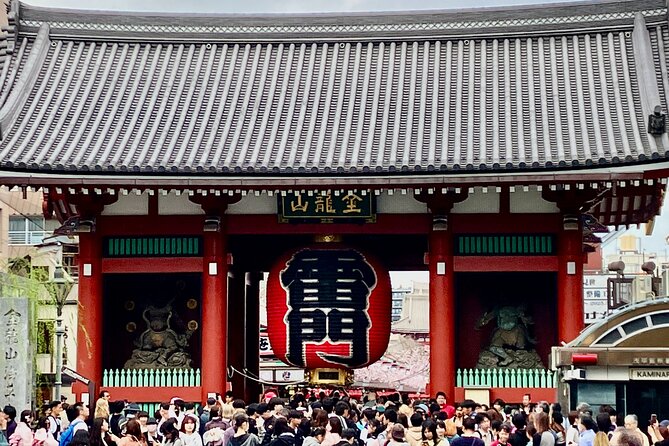
The second suggested course is aimed at lesser-known places. This is the more appealing choice if you have already seen Tokyo’s main attractions or want a less programmed afternoon.
The charm of a self-guided ride is that you can pause for ordinary city details: a small street, an older building, a riverside stretch, or a local park. The activity description points to parks, rivers, historic buildings, and places that are not often visited by international visitors. Those settings can give you a better sense of daily Tokyo than moving from one major sight to the next.
There is a practical limit. Since no guide accompanies you, the route will not come with live explanations about architecture, history, or local customs. You will get more freedom, but less context.
Use the traffic-rule card and navigation tools carefully. If you choose the quieter course, make sure you understand the route before setting off. A phone holder helps, but it does not replace stopping safely when you need to make a decision.
Same roads, a different day in the saddle:
- Hiroshima 2hr Peace Cycling Tour with Local Guide
★ 5.0 · 321 reviews - Hiroshima: Peace Cycling Tour with Local Guide
★ 4.8 · 286 reviews - One-Day Osaka Bike Adventure: 5–6 Hours
★ 5.0 · 246 reviews - Eat, Drink & Cycle: Osaka Foodie Bike Tour
★ 5.0 · 224 reviews
What two to four hours really gives you
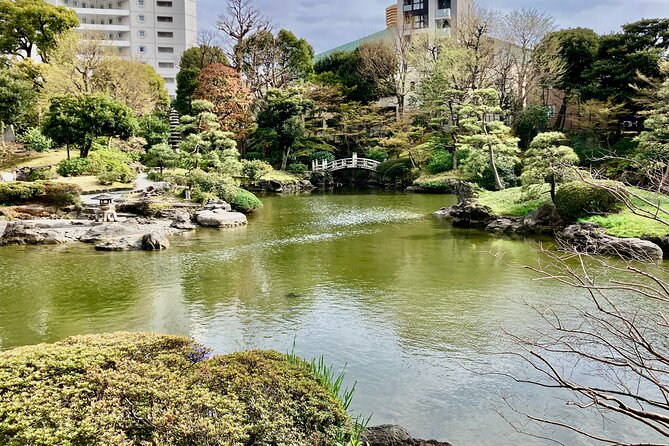
The advertised duration is about two hours, while each suggested course takes about two to four hours. That range is worth noting when you plan the rest of your day.
A two-hour ride gives you enough time for a compact circuit near Asakusa. You can visit a few points, pause for photos, and return without making the activity the main event of your day. This is the safest plan if you have timed tickets, a restaurant booking, or an evening train.
A three- or four-hour ride gives the bicycle more purpose. You can include several parks, a river section, and historic shrines or buildings, then stop along the way instead of rushing from point to point. One rider used the bicycle for a full day and covered three parks and two historic shrines, showing how much ground is possible when you keep the bike longer.
That longer use also changes the value. At $7.19 per person, the cost is very low for a flexible ride lasting several hours. If the price applies to the rental period you need, it can be one of the least expensive ways to add independent sightseeing to a Tokyo itinerary.
Still, check the confirmed booking details. The published duration and course length do not guarantee that every rental is available for a full day. The full-day use described above is useful evidence of what may be possible, not a promise for every booking.
Using Google Maps without losing the fun
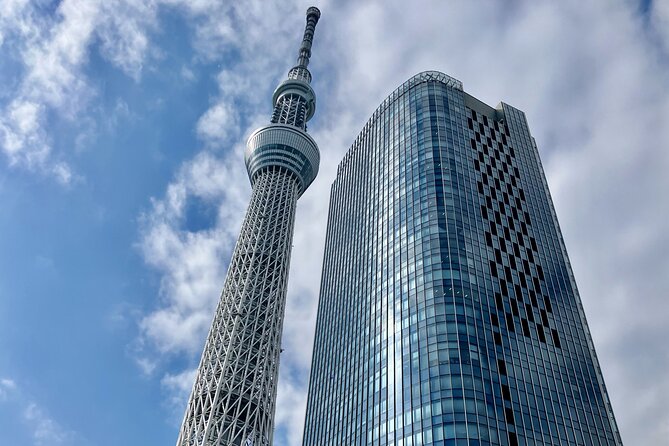
A bicycle gives you freedom, but Tokyo can be confusing when streets change direction or when a planned route crosses busy roads. Google Maps is a sensible tool, and the handlebar phone lock makes it easier to follow directions.
I recommend setting your route before you leave the shop. Mark the meeting point, decide which course you want, and identify a few stopping places. You do not need a rigid schedule, but a basic plan keeps you from spending half the rental checking your phone.
Keep the ride simple. A route with three or four clear targets is easier to enjoy than a long list of pins scattered across the city. You can always turn back early or add a park if you have extra time.
The activity includes a traffic-rule card, so read it before riding. Tokyo is generally well suited to cycling in the areas suggested by the shop, but you remain responsible for following local traffic rules and handling the bicycle safely.
What is included, and what you pay for
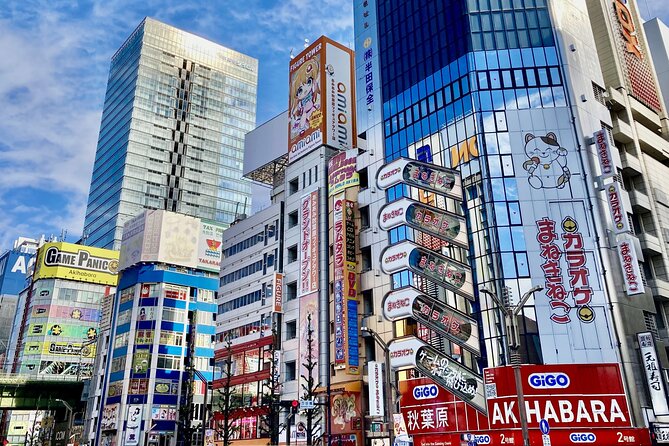
The package includes the bicycle, helmet, and liability insurance. Lunch is not included, and there is no guide.
At $7.19 per person, the price is appealing because you are paying for mobility rather than for a fixed sightseeing program. You can make the ride short or, if permitted by your booking, use the bicycle for a longer outing. That flexibility gives the rental better value than a short transport hop.
The low price also tells you what not to expect. There is no commentary, admission ticket, meal, or organized group itinerary. You are paying for the bicycle and basic support, then creating the sightseeing day yourself.
For two people who enjoy independent planning, this can be a strong bargain. For someone who wants a guide to explain Tokyo’s history or lead the way through traffic, the low price will not compensate for the missing service.
Liability insurance is included, which provides useful basic protection, but it does not mean you should ignore road rules or ride beyond your ability. Ask the shop about any points you do not understand before leaving.
Who will enjoy this ride most
This activity suits independent visitors who want to control the pace. You can stop for photos, change direction, or spend extra time in a park without waiting for a group.
It is also a good match for repeat visitors to Tokyo. If you have already visited the major temples and shopping districts, the lesser-known course may help you see a quieter side of the city.
First-time visitors can use it too, especially if they follow one of the recommended courses and keep the route close to Asakusa. The shop supplies route suggestions, which makes the idea less daunting than starting with no plan at all.
You should be comfortable cycling in an urban setting. The minimum suitable height is 145 centimeters, and children’s bicycles or child seats require advance contact. Since there is no guide, adults must manage their own route and safety.
This is less suitable if you want a history lesson, a set timetable, or a host who handles navigation. It is also not the right choice if you need a guaranteed child-bike setup without checking availability first.
Booking, timing, and cancellation details
The activity uses a mobile ticket, so keep your booking accessible on your phone. Confirmation arrives within 48 hours, subject to availability.
You can cancel for a full refund if you do so at least 24 hours before the start time. Cancellations or changes made within 24 hours are not accepted and are not refunded. The cut-off follows local Tokyo time, so check the time carefully if you are arranging the rental from another country.
Book ahead if your schedule is tight. The activity is booked an average of 27 days in advance, which suggests that planning early may be wise, especially when you need a particular bicycle type or a child-friendly arrangement.
Should you book this Asakusa bicycle rental?
Book it if you like making your own route and want an inexpensive way to connect parks, rivers, historic buildings, shrines, and quieter streets. The $7.19 price, helmet, insurance, and phone-friendly setup make it a practical choice for a self-guided Tokyo outing.
Skip it if you expect a guide, detailed explanations, or a carefully managed sightseeing schedule. The biggest strength is freedom, and the biggest weakness is that you must handle navigation, timing, and road awareness yourself.
For the best experience, choose your bicycle in advance, read the traffic card, set up Google Maps, and begin with the shorter suggested route if you are new to cycling in Tokyo. If you enjoy the first two hours, you can use the ride as a springboard for a longer afternoon, subject to the confirmed rental terms.
FAQ
Where does the bicycle activity start?
It starts at Japan, 111-0032 Tokyo, Taito City, Asakusa, 6-chōme175 Murashima Building.
Where does the activity finish?
The activity ends back at the meeting point.
Is this a guided bicycle tour?
No. This is a bicycle rental activity, and no guide is provided.
What types of bicycles are available?
The shop offers cross bikes and electric-assisted bicycles.
Is a helmet included?
Yes. A helmet is included with the bicycle rental.
Is insurance included?
Yes. Liability insurance is included.
How long does the activity take?
The listed duration is about two hours, while each recommended course takes about two to four hours.
Just added around Japan
- Slow Cycling Tour at Uji’s Matcha Green Tea Fields and Heritage★ 5.0 · 25 reviews
- Tokyo Non-Touristy Local Private E-bike Cycling Tour from Asakusa★ 5.0 · 2 reviews
- Little Adventure with Cycling in Tokyo No. 1 Crystal Clear River★ 5.0 · 6 reviews
- Tokyo Night Bike Tour: From Shibuya to Tokyo Tower via Roppongi★ 5.0 · 29 reviews
- 2.5 Hour-Guided Cycle Tour in the Central Tokyo★ 5.0 · 25 reviews
- Tokushima & Mt. Bizan BROMPTON Slow Cycling Tour★ 5.0 · 5 reviews
- Tokyo’s hidden nature cycling tour – Okutama Historical Road Tour★ 5.0 · 6 reviews
- Wakimachi BROMPTON Slow Cycling Tour★ 5.0 · 5 reviews
Cycling Tours, compared.
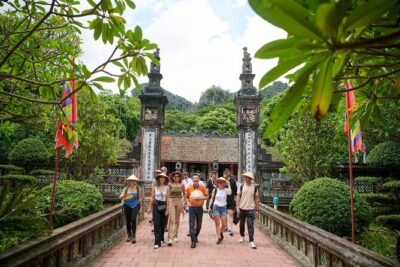
Ninh Binh Day Trip: Hoa Lu-Trang An/Tam Coc-Mua Cave-Cycling-Boat
Read our review →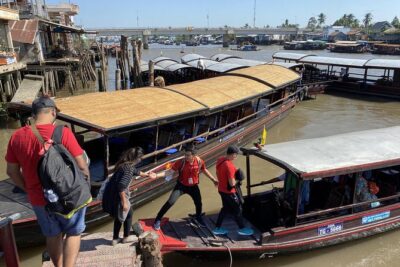
Cai Be Mekong Delta Tour: Cooking Class, Cycling & Craft Villages
Read our review →
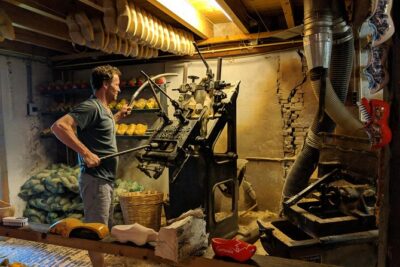
Countryside Bike Tour from Amsterdam: Cheese, Clogs & a Windmill
Read our review →
Electric Cycling Tour of Ubud with Free Hotel Transfer and Lunch
Read our review →

Browse the lists this tour appears in