
Review · TOKYO
Tokyo Great Cycling Tour
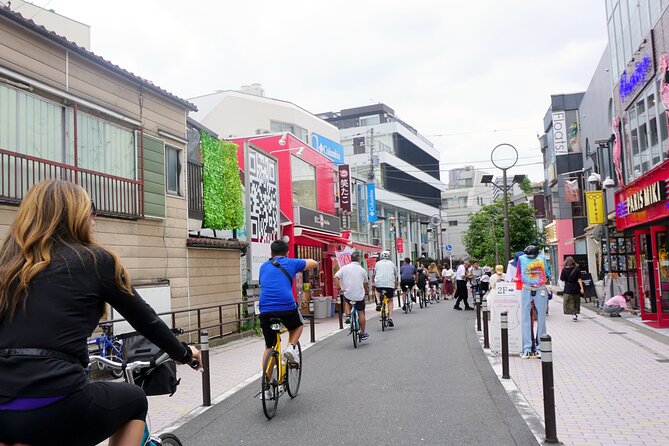
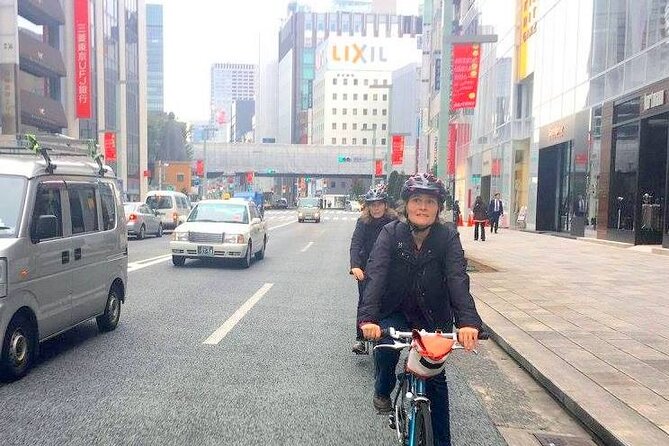
Tokyo is huge, but a bicycle gives you a useful middle ground between walking and riding in a bus. This six-hour cycling tour links Tsukiji Jogai Market, Zojo-ji Temple, Meiji Jingu Shrine, and the Imperial Palace, with city streets and neighborhood views between the headline sights.
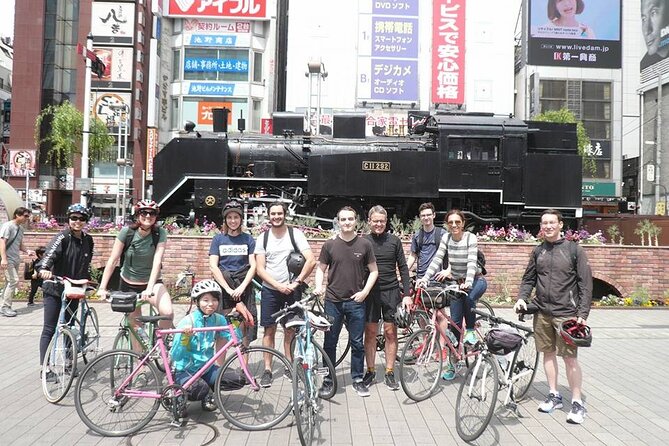
I like the small group of no more than 12 and the chance to see Tokyo at street level without spending the day changing trains. I also like the guides’ clear attention to safety. Toshi, Nick, and Naoko are named guides associated with the experience, and one hot-weather outing changed its picnic plan to lunch at an izakaya.
The main drawback is simple: six hours on a bicycle asks more of you than a short sightseeing walk. You need moderate fitness, good weather, and enough confidence to ride in an urban setting.
Key points at a glance
- Four major Tokyo sights in one ride: Tsukiji Jogai Market, Zojo-ji Temple, Meiji Jingu Shrine, and the Imperial Palace.
- A group capped at 12 people: Small enough for guide attention, safety checks, and questions.
- A useful citywide route: Bicycles connect districts that would take longer to cover on foot.
- Strong guide support: Toshi, Nick, and Naoko are among the guides named for this experience.
- A full half-day commitment: Allow about six hours, beginning at 9:00 a.m. and ending back at the starting point.
- Weather matters: Poor weather can lead to a new date or a full refund.
Why a bicycle works so well in Tokyo
Tokyo is easy to explore by rail, but trains take you between major stations, not through the changing character of the streets between them. On this ride, you move from a market district to temple grounds, fashionable neighborhoods, a shrine forest, and the Imperial Palace area in one continuous outing.
That is the tour’s real value. You are not only checking off four sights. You are seeing how old religious sites sit beside towers, apartments, offices, shops, and major roads. The bicycle also lets the group reach places a sightseeing bus cannot, while covering more ground than your feet can comfortably manage in a single morning and afternoon.
I would think of this as a city orientation with exercise built in. The guide explains Japanese history and culture as you pedal, so the spaces have more meaning than they would on a quick photo stop. You also get a feel for how sharply Tokyo’s districts can change within a short distance.
The group limit helps. Twelve is not a private tour, but it is far more manageable than a large coach group. The guide can keep an eye on the riders, set a practical pace, and answer questions without turning every stop into a formal lecture.
A few more rides around Tokyo worth a look
- Tokyo Top Highlights 3h Guided E-bike Tour
★ 5.0 · 714 reviews - Tokyo West-Side Cycling & Food Tour
★ 5.0 · 214 reviews - Small Group Cycling Tour in Tokyo
★ 5.0 · 184 reviews
Starting at Tokyo Great Tours in Shinkawa
The tour begins at Tokyo Great Tours, at 1-chōme-3-2 Shinkawa in Chuo City. The start time is 9:00 a.m., and the activity returns to the same meeting point at the end.
That start and finish arrangement is useful because you do not need to arrange a second pickup across town. It also means you should plan your morning carefully. Arriving late to a cycling group is more disruptive than arriving late to a museum, so allow enough time to reach the meeting point by public transportation.
A mobile ticket is provided, and confirmation is sent within 48 hours of booking, subject to availability. The tour is near public transportation, but the supplied details do not specify a particular station, so check the exact route to the Shinkawa address before the morning of the ride.
At the start, expect the practical side of cycling to matter. The tour requires a moderate level of fitness, and the most important qualification is that you can ride a bicycle with reasonable confidence. This is not the right pick if you want a passive sightseeing day or if a six-hour ride sounds tiring before you begin.
Tsukiji Jogai Market: Tokyo’s food district after the move
The first listed stop is Tsukiji Jogai Market, the outer market area that continued operating after the inner market moved to Toyosu. It remains a popular place for local shoppers and tourists, with food businesses and market activity giving the district a very different feel from Tokyo’s office zones.
You get about 15 minutes here, with no admission charge. That is enough for a quick look and some context, but not enough for a long meal or serious shopping expedition. Treat this as an introduction to the area rather than a standalone market tour.
The short stop makes sense in a cycling itinerary. The goal is to show you where Tsukiji fits into Tokyo’s food culture, then keep the route moving. If you want to spend substantial time browsing stalls, you may need to return on your own later.
I like this opening because it starts with ordinary city life rather than a grand monument. You see a working district first, then move toward temples, shrines, and imperial grounds. That sequence gives the day a better sense of Tokyo as a living city.
Zojo-ji Temple and the Tokyo Tower contrast
Next comes Zojo-ji Temple, an old Buddhist temple with Tokyo Tower visible behind its traditional buildings. The contrast is the point. In one frame, you have a place tied to Japan’s religious past and, behind it, the unmistakable vertical form of modern Tokyo.
The planned stop lasts about 15 minutes, and admission is free. That is enough time to take in the setting, hear the guide’s explanation, and photograph the temple and tower together. It is not a long temple visit with time for every corner of the grounds.
This is one of the tour’s most effective visual stops because it explains Tokyo without much effort. The city does not separate old and new into neat zones. Ancient religious buildings can sit close to office towers, apartment blocks, and major commercial areas.
The ride between stops adds to that lesson. You pass high-rise apartments, expensive residential buildings, shops, and office buildings. The changing architecture helps you understand the city’s scale better than a quick train ride underground.
Same roads, a different day in the saddle:
- 3-Hour Tokyo Private E-Bike Tour Starting from Your Hotel
★ 5.0 · 117 reviews - Tokyo Bike Tour: Shibuya & Hidden Tokyo
★ 5.0 · 53 reviews - Tokyo: West-Side Cycling and Food Tour with Guide
★ 5.0 · 37 reviews - Tokyo Night Bike Tour: From Shibuya to Tokyo Tower via Roppongi
★ 5.0 · 29 reviews
The city between landmarks
Some of the most useful parts of the day are the stretches that do not have a famous name. The route passes through areas filled with tall apartment buildings, offices, and shopping streets, then reaches a cemetery set within fashionable districts.
That cemetery is an interesting contrast to the polished commercial surroundings. It shows how older, quieter spaces remain part of central Tokyo, even where land is valuable and new construction is everywhere. The provided details do not assign a separate duration to these sections, so consider them part of the guided ride rather than formal stops.
This is where the bicycle earns its place. On foot, you would likely see one district in detail and spend much of the day walking between major sights. By bike, you can notice the transitions. A neighborhood changes not only when you cross a major avenue, but also as homes, shops, temples, offices, and apartment towers appear beside one another.
You should not expect a leisurely photography stop at every interesting corner. The group has a route to cover, and the guide needs to keep everyone together. Still, those in-between views are a large part of what makes this feel like a tour of Tokyo rather than a list of famous attractions.
Meiji Jingu Shrine and a quieter change of pace
Meiji Jingu Shrine is described as Tokyo’s most popular Shinto shrine. The stop lasts about 20 minutes, making it the longest listed visit of the day.
The shrine gives you a different setting from Zojo-ji. Instead of the temple and tower contrast, you get a major Shinto site with a calmer atmosphere and a strong sense of separation from the surrounding city. The time is still limited, so you will get an overview rather than a slow, detailed shrine visit.
Your guide’s cultural explanation matters here. A shrine visit can be confusing if you do not know the basic customs or understand how Shinto spaces differ from Buddhist temples. The tour is designed to give you that context while keeping the day moving.
Meiji Jingu also provides a welcome change in rhythm. After roads, buildings, and commercial districts, the route reaches a place that feels more spacious and reflective. If you prefer long quiet visits at religious sites, 20 minutes may feel brief. If you want to fit several parts of Tokyo into one day, it is a sensible compromise.
The Imperial Palace area and the final major stop
The final listed sight is the Imperial Palace, where the Emperor and Empress live. The stop lasts about 15 minutes and does not carry an admission charge.
You should expect an exterior-focused visit rather than a full palace tour. The supplied details do not promise entry into palace buildings or private grounds. The value is in seeing the area, understanding its place in Tokyo, and hearing the guide connect the site to Japan’s modern national story.
By this point, the route has taken you through market streets, Buddhist surroundings, central commercial districts, a cemetery, a major Shinto shrine, and the Imperial Palace area. That range is the strongest argument for booking the cycling format.
The palace stop also works well as a closing landmark. It is a major Tokyo sight, but the ride helps place it in relation to the rest of the city rather than treating it as an isolated photo opportunity.
What the six-hour schedule really means
Six hours is long enough to see a lot, but it is not an effortless sightseeing morning. You will spend much of the time riding, with short stops at the main sites. I would plan for a full half-day, not a quick activity you can squeeze between breakfast and lunch.
The schedule gives you breadth instead of deep visits. Tsukiji, Zojo-ji, Meiji Jingu, and the Imperial Palace each receive roughly 15 to 20 minutes in the listed plan. That works for first-time orientation, photographs, and guide commentary. It does not work if your main goal is shopping at the market, detailed temple study, or an extended shrine visit.
The physical side deserves honest attention. The tour states that you should have moderate fitness. A person who can ride comfortably but does not exercise often may still find the duration tiring, especially in hot weather. Choose light clothing and prepare for a day where the weather affects your comfort, though the supplied details do not specify equipment, refreshments, or clothing provisions.
One hot day brought a useful adjustment: the picnic plan changed to lunch at an izakaya. That suggests the team can respond to conditions, but you should not assume a particular lunch arrangement is guaranteed unless it appears in your booking details.
Guides, safety, and the small-group advantage
The named guides include Toshi, Nick, and Naoko. The experience places clear emphasis on safety and rider welfare, and one account specifically notes that the bike was running smoothly and that the guides took good care of the rider.
That matters on a city cycling tour. A guide who simply points out landmarks is not enough. You want someone who can watch the group, keep the pace under control, and help you feel looked after on the road. A maximum of 12 riders gives the guide a reasonable chance to do that.
The small group also improves the cultural side of the tour. You can ask why a neighborhood looks different, how a temple differs from a shrine, or what you are seeing near the palace. With a large group, questions often get lost and stops take longer.
Still, you should be comfortable following directions and riding as part of a group. This is not a private ride where you can stop whenever you like. The route, pace, and timing need to work for everyone.
Is $99.49 a fair price?
At $99.49 per person, this is not the cheapest way to see Tokyo. You could visit the public areas around these sights using trains and your own walking route for less money.
The comparison is not quite fair, though. The tour combines transport, route planning, a bicycle, guide commentary, safety oversight, and four major areas in one six-hour experience. It also saves you from working out how to connect distant parts of the city on your own.
I see the price as reasonable if you value coverage and guidance. It is especially useful early in a Tokyo visit because the route gives you a broad sense of the city. You can then return to the places that deserve more time, such as Tsukiji or Meiji Jingu.
The value drops if you dislike group schedules, already know Tokyo well, or want long, unhurried visits inside individual attractions. In that case, independent sightseeing may suit you better.
Who should book this ride?
I would recommend it to first-time visitors who want to cover several sides of Tokyo in one day. It suits active couples, families with older children who can ride confidently, and solo visitors who prefer a guide and a small social group.
It is also a good fit if you learn best by moving through a place. You will see how the market district, temple district, central business zones, shrine grounds, and palace area connect.
I would be more cautious for anyone with limited cycling ability, low stamina, or a strong dislike of hot-weather exercise. The tour depends on good weather, and poor weather can lead to a different date or a full refund. If the minimum number of participants is not met, the operator can also offer another date or experience, or provide a full refund.
Free cancellation is available up to 24 hours before the 9:00 a.m. start time. Cancellations made later are not refunded, and changes made inside that window are not accepted.
Should you book the Tokyo Great Cycling Tour?
Book it if you want a practical overview of Tokyo and can comfortably spend six hours on a bike. The combination of Tsukiji, Zojo-ji, Meiji Jingu, the Imperial Palace, and the city streets between them gives you a broad first look that public transit alone does not provide.
The strongest reasons to choose it are the 12-person limit, the named guides’ attention to safety, and the chance to see Tokyo’s old and new sides in one route. The main caution is the physical commitment and the short time at each major stop.
If you want a deep visit to one temple, a long market lunch, or a relaxed palace-area walk, plan those separately. If you want to understand Tokyo’s shape quickly and enjoy seeing it at street level, this is a smart use of a day.
FAQ
Where does the Tokyo Great Cycling Tour start?
It starts at Tokyo Great Tours, 1-chōme-3-2 Shinkawa, Chuo City, Tokyo 104-0033, Japan.
What time does the tour begin?
The tour starts at 9:00 a.m.
How long does the experience last?
The cycling tour lasts approximately six hours and ends back at the starting meeting point.
How many people can join the tour?
The group has a maximum of 12 participants.
What sights are included?
The route includes Tsukiji Jogai Market, Zojo-ji Temple, Meiji Jingu Shrine, and the Imperial Palace, along with city neighborhoods and a cemetery area between some of the main stops.
Can I cancel for a refund?
You can cancel up to 24 hours before the experience start time for a full refund. Poor weather or failure to meet the minimum number of participants can also lead to a different date or a full refund.
Just added around Tokyo
- Tokyo Non-Touristy Local Private E-bike Cycling Tour from Asakusa★ 5.0 · 2 reviews
- Little Adventure with Cycling in Tokyo No. 1 Crystal Clear River★ 5.0 · 6 reviews
- Tokyo Night Bike Tour: From Shibuya to Tokyo Tower via Roppongi★ 5.0 · 29 reviews
- 2.5 Hour-Guided Cycle Tour in the Central Tokyo★ 5.0 · 25 reviews
- Tokyo’s hidden nature cycling tour – Okutama Historical Road Tour★ 5.0 · 6 reviews
- MTB, Hybrid or Gravel Road Bike Rental in Okutama, Tokyo★ 5.0 · 2 reviews
- Tokyo: Private Cycling Tour with cute E-bike★ 5.0 · 11 reviews
- Tokyo: Super Local Private E-bike Cycling Tour from Asakusa★ 5.0 · 4 reviews
Cycling Tours, compared.
Ninh Binh Day Trip: Hoa Lu-Trang An/Tam Coc-Mua Cave-Cycling-Boat
Read our review →
Cai Be Mekong Delta Tour: Cooking Class, Cycling & Craft Villages
Read our review →

Countryside Bike Tour from Amsterdam: Cheese, Clogs & a Windmill
Read our review →
Electric Cycling Tour of Ubud with Free Hotel Transfer and Lunch
Read our review →


The Stanley Park Bicycle Tour by Cycle City Tours
Read our review →Browse the lists this tour appears in