
Review · HIROSHIMA
Hiroshima Country Cycling: Explore Rural Life 1 HR from City
The best part of this Hiroshima experience is the quick change from city sightseeing to quiet farm country. In about four hours, you ride electric bikes through Kakeyama, traditional Doitaya, Oasa’s old main street, and rice-growing country that most Japan itineraries skip.
I like the strong e-bikes, which make steep hills manageable, and the small group size of eight people or fewer. I also like that guide Jonah can add personal insight into local life, while lunch gives the ride a useful taste of the region instead of making it only a photo stop.
The main drawback is the extra cost and effort of reaching the meeting point. You must pay 3,560 JPY for the round-trip highway bus from Hiroshima, and lunch costs extra. The tour also requires decent fitness and independent bike skills, even with electric assistance.
Key points to know before booking
- Electric bikes handle the hills: You can ride through hilly countryside without treating the day like a serious cycling workout.
- Oasa feels far removed from central Hiroshima: The bus ride is part of the commitment, but it gets you to a quieter side of the prefecture.
- Lunch is not included in the tour price: Plan on 900 to 1,250 JPY at the herb garden, or 2,000 JPY for the seasonal farmhouse sushi lunch.
- The group is capped at eight: That keeps the pace personal and makes it easier to hear the guide.
- Rain can affect the schedule: The activity requires good weather, but the operator offers another date or a full refund if poor weather cancels it.
Why this rural ride is worth leaving Hiroshima for
Hiroshima is rightly known for its Peace Memorial Park, museum, and nearby Miyajima. Those are important stops, but they show only one side of the region. This ride takes you roughly an hour from the city by highway bus to Oasa, where the day moves at the speed of a bicycle and small-town life.
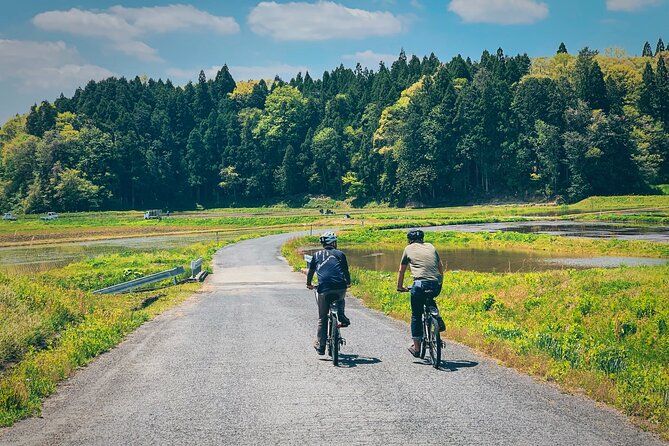
You pass rice fields, streams, old houses, and roads that are better suited to two wheels than to a large sightseeing coach. The point is not to race from one attraction to another. It is to notice the ordinary details: the shape of a farming village, the quiet main street, and the way local food connects to the land around you.
I like this kind of outing because it gives you context. You are not simply looking at rural Japan through a bus window. You are moving through it at a slow enough pace to see how the villages fit together.
The experience lasts about four hours and begins at 10:00 a.m. It returns to the same meeting point, so you are not left figuring out a second pickup location. Since the group has no more than eight people, the ride should feel more like a guided outing than a large organized excursion.
More countryside cycling tours in Japan:
- Japan’s Rural Life & Nature: Private Half Day Cycling Near Kyoto
★ 5.0 · 13 reviews - Hiroshima Country Cycling: Explore Rural Life 1 HR from City
★ 5.0 · 8 reviews - Countryside Bike Tour from Amsterdam: Cheese, Clogs & a Windmill
★ 5.0 · 1,485 reviews
Getting to Oasa I.C. Bus Stop
The meeting point is Oasa I.C. Bus Stop at 2310 Shinjō, Kitahiroshima, Yamagata District, Hiroshima 731-2103. You arrange and pay for the highway bus separately. The stated round-trip fare is 3,560 JPY.
That extra journey matters when you judge the price. The tour itself costs $85.39 per person, but your real day budget must include the bus and lunch. At the listed lunch prices, the full cost comes to roughly $85.39 plus 5,360 to 5,560 JPY, depending on your meal. Exchange rates will change the final amount.
Still, the price includes the bike, helmet, guide fee, and accident insurance coverage. It also gets you a small group and a route that would be difficult to arrange on your own without local planning. I consider it reasonable for a half-day guided ride, but it is not a cheap add-on to a city break.
The operator provides clear information about the bus schedule and pickup. Give yourself enough time to reach Oasa without rushing. The activity starts at 10:00 a.m., and missing the beginning would be a serious problem because the ride returns to the same point later in the day.
Kakeyama: a gentle start with useful electric power
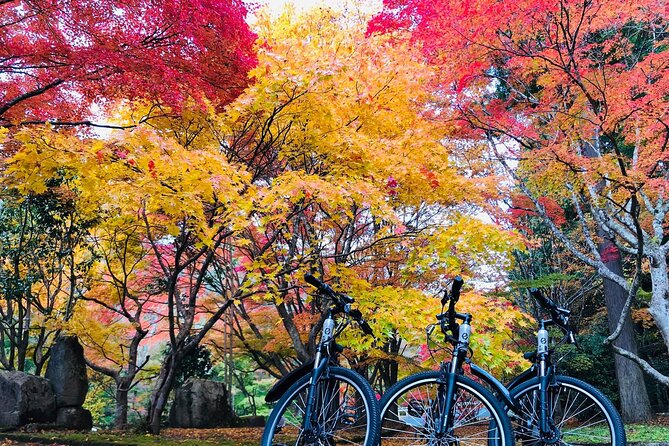
The first section takes you through Kakeyama and introduces the feature that makes this ride accessible to more people: the electric bicycle. The route includes steep hills, but the motor helps you climb them without exhausting yourself at the start.
You still need to pedal and control the bike. This is not a motorized sightseeing vehicle. You must be able to ride on your own, steer, brake, and manage the bike safely. The minimum height is 140 centimeters, or about 4 feet 6 inches.
If you have never used an e-bike, allow a little time to get comfortable with the controls. The reward is a more relaxed ride through hilly country. You can pay attention to the road and the scenery instead of worrying about whether your legs can manage the next incline.
The operator describes this section as about one hour, though the day includes regular stops and pauses. That is helpful in wet or warm conditions. One previous outing took place in rain, and Jonah brought a poncho for the rider. That does not make bad weather ideal, but it shows the practical, hands-on approach you can expect from the guide.
Doitaya: rice fields, streams, and old village character
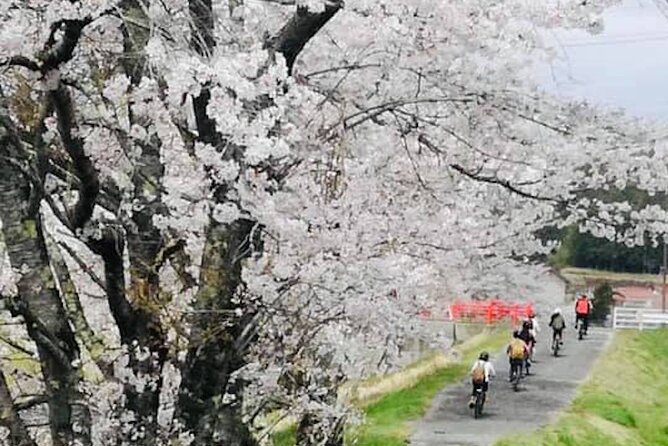
Doitaya is the strongest stop for seeing a traditional farming community. The area retains its older appearance, with small houses, rice fields, and streams where you may notice signs of wildlife.
Do not expect a major monument or a formal attraction here. The appeal is the setting itself. You get a chance to understand how a rural settlement works, with homes and farmland close together and water moving through the community.
This is where a guide adds real value. Jonah can explain local life and point out details that are easy to miss when you pass through independently. The ride gives you time to ask questions, rather than listening to a fixed speech from a large group.
The quiet can be part of the charm, but it may not suit anyone seeking constant activity. Doitaya is a place for looking, listening, and riding at an easy pace. If your ideal day requires major sights every few minutes, this route may feel slow. If you want a more ordinary and personal view of Japan, it is one of the best parts of the outing.
A few more rides around Japan worth a look
- Hiroshima in a Nutshell: Morning Bike Adventure
★ 5.0 · 524 reviews - Hiroshima 2hr Peace Cycling Tour with Local Guide
★ 5.0 · 321 reviews - Hiroshima: Peace Cycling Tour with Local Guide
★ 4.8 · 286 reviews - Hiroshima and Miyajima by Bike and Boat
★ 5.0 · 172 reviews
Aino Sato Herb Garden and the cost of lunch
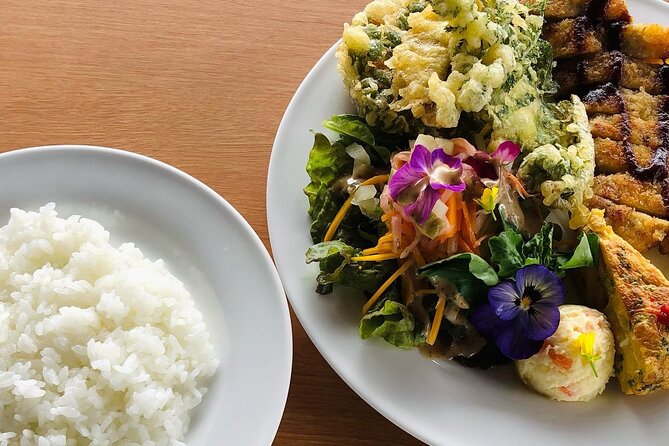
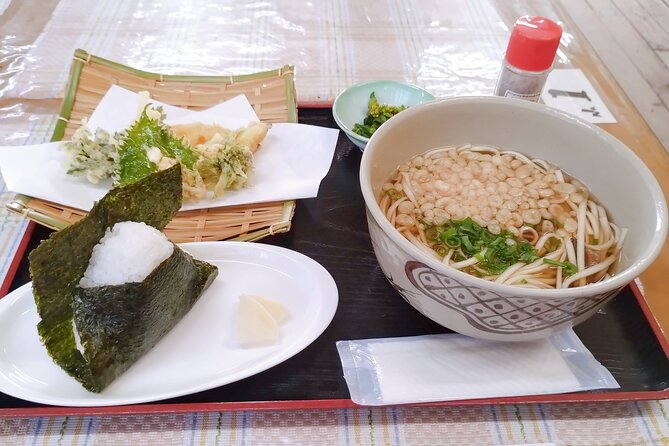
Lunch takes place at Aino Sato Herb Garden. The restaurant serves locally grown vegetables and edible flowers, with produce described as free from harmful pesticides.
Lunch is not included in the $85.39 tour price. The herb garden meal costs 900 to 1,250 JPY per person. From December through March, the plan changes to sushi at a farmhouse, priced at 2,000 JPY per person.
That seasonal change is worth noting when you book. The herb garden meal gives you a direct connection to local produce, while the winter sushi option offers a different rural food experience. The supplied details do not specify the exact dishes, so you should treat the prices as the useful planning information rather than expect a fixed menu.
Vegan lunch is available if you request it at least three days in advance. Do not wait until the morning of the ride. The meal is one of the day’s main scheduled stops, so it is best to settle dietary needs before you arrive.
The water plan is practical. There are several refill stations along the route, but you must bring your own bottle. That is easy to overlook, especially since the tour includes a helmet and bicycle but not a bottle.
Oasa’s old main street and a slower kind of sightseeing
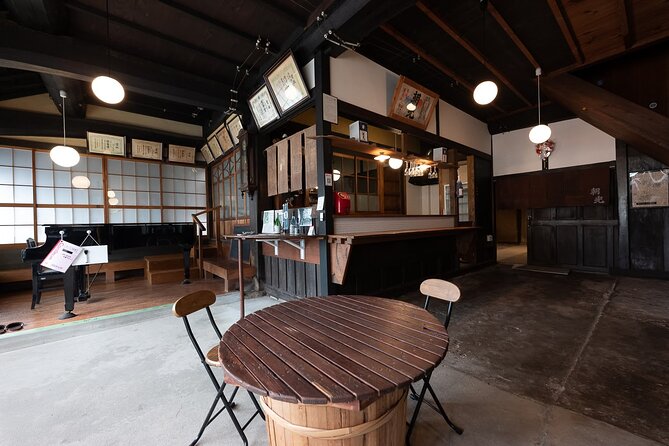
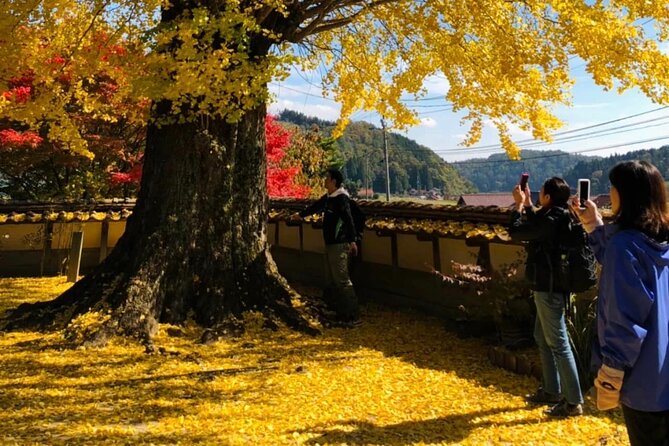
Oasa’s main street once served as a busy center for shops and daily life. Today it is quieter, with older buildings and a small number of shops still operating.
That change gives the stop its character. You can see how a town can remain recognizable even as its commercial life slows. The old structures are not presented as a grand historic district, and you should not expect a long list of open stores. Instead, you get a brief look at a town with visible traces of its former importance.
I like that the itinerary includes this kind of place. Rural Japan is not only rice fields and attractive houses. It also includes towns adapting to quieter days. Oasa makes the outing feel less like a scenic ride and more like an introduction to the realities of small-town life.
The stop is listed at about one hour. With the other sections, lunch, and riding time, the full activity lasts approximately four hours. The pace should leave room for photographs and conversation, but the exact time spent at each point can vary with conditions and the group.
What the e-bike changes
The electric bicycle is the practical reason this tour can suit people who are active but not serious cyclists. Hills that might otherwise limit the route become manageable with motor assistance.
That does not remove every physical demand. You still ride for several hours, sit on a bicycle, and need enough balance and coordination to manage country roads. The operator asks for moderate physical fitness, and the independent-riding requirement is firm.
You will likely appreciate the e-bike most on the uphill sections. On flatter roads, it lets you choose a comfortable pace and save energy for looking around. The ride is active, but it does not need to feel punishing.
Wear clothing suitable for cycling and weather. The tour requires good weather, and rain can make roads and the ride less comfortable. If conditions force a cancellation, the operator offers a different date or a full refund. Free cancellation is also available if you cancel at least 24 hours before the start time. A later cancellation is not refunded.
Jonah’s guiding style and the small-group advantage
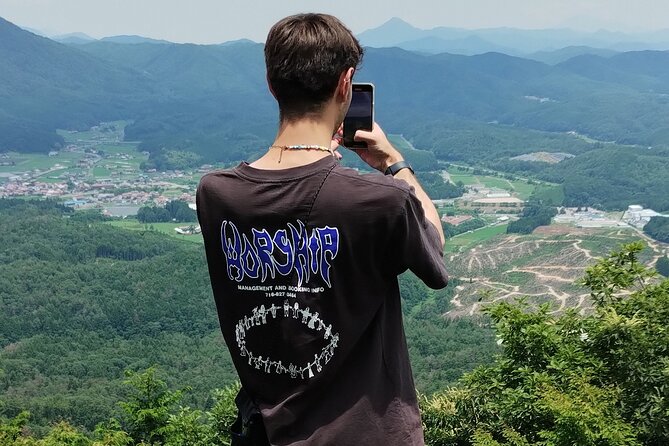
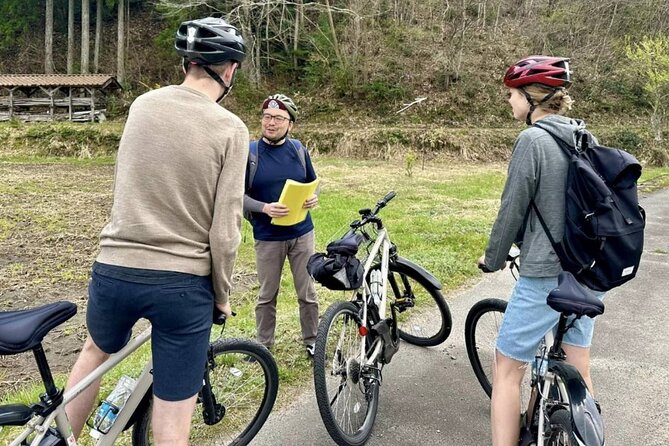
Jonah is the named guide associated with the experience, and he may guide with his wife. The personal tone matters here because the day depends on interpretation, not just transport and equipment.
A small group makes it easier to ask about farming, local customs, food, and the town’s changing character. It also means the guide can adjust explanations and watch the group on the hills. With a maximum of eight people, you are not likely to feel lost at the back of a large pack.
One particularly useful feature is the help with bus information, schedule details, and pickup. Since the meeting point is outside central Hiroshima, that practical guidance can prevent a lot of stress. The rainy-day outing also showed a willingness to help with weather, including providing a poncho.
Of course, the guide cannot change the weather or turn a rural town into a major attraction. The value comes from local explanation and steady support. This works best if you enjoy conversation and have curiosity about places that do not appear on every first-time Japan itinerary.
Who should book this Hiroshima cycling tour?
You should consider it if you want:
- A break from Hiroshima’s major urban and historic sights
- A small group with a maximum of eight people
- E-bike assistance on hilly roads
- A guided look at rice fields, streams, old homes, and a quiet town
- A local meal with a vegan option available in advance
- A half-day activity that returns to its starting point
You may want to skip it if you cannot ride a bicycle independently, are below the 140-centimeter height minimum, or prefer a fully included price. The bus fare and lunch are separate, and the trip to Oasa requires planning.
It is also not the best pick for a packed Hiroshima schedule. The bus transfer, four-hour activity, and return trip take a substantial part of the day. In exchange, you see a side of Hiroshima that is difficult to reach through the usual city sightseeing plan.
Should you book it?
Book this ride if rural Japan interests you more than another standard city tour. The strongest reasons are the easy-to-handle e-bike, the personal scale of the group, Jonah’s local guidance, and the chance to see Doitaya and Oasa at ground level.
Before paying, add the 3,560 JPY bus fare and your chosen lunch to the advertised price. Check that every rider can cycle independently, bring a water bottle, and request vegan food at least three days ahead. If the forecast looks poor, keep your schedule flexible.
For the right person, this is a worthwhile half-day change of pace. It is not a bargain sightseeing transfer, but it offers a more direct connection to rural life than you can get from Hiroshima’s central attractions alone.
FAQ
How long does the Hiroshima country cycling experience last?
The activity lasts approximately four hours. It begins at 10:00 a.m. and ends back at the Oasa I.C. Bus Stop meeting point.
Where does the cycling tour meet?
The meeting point is Oasa I.C. Bus Stop at 2310 Shinjō, Kitahiroshima, Yamagata District, Hiroshima 731-2103, Japan.
Is transportation from Hiroshima included?
No. The highway bus between Hiroshima and Oasa is separate and costs 3,560 JPY for a round trip.
Is lunch included in the tour price?
No. Lunch at Aino Sato Herb Garden costs 900 to 1,250 JPY per person. From December through March, the sushi lunch at a farmhouse costs 2,000 JPY per person.
Can I request a vegan lunch?
Yes. Vegan lunch is available if you request it at least three days before the activity.
Do I need to know how to ride a bicycle?
Yes. You must be able to ride a bicycle independently. The minimum height is 140 centimeters, or 4 feet 6 inches.
What happens if bad weather cancels the tour?
The activity requires good weather. If it is canceled because of poor weather, you can choose another date or receive a full refund.
Just added around Japan
- Slow Cycling Tour at Uji’s Matcha Green Tea Fields and Heritage★ 5.0 · 25 reviews
- Tokyo Non-Touristy Local Private E-bike Cycling Tour from Asakusa★ 5.0 · 2 reviews
- Little Adventure with Cycling in Tokyo No. 1 Crystal Clear River★ 5.0 · 6 reviews
- Tokyo Night Bike Tour: From Shibuya to Tokyo Tower via Roppongi★ 5.0 · 29 reviews
- 2.5 Hour-Guided Cycle Tour in the Central Tokyo★ 5.0 · 25 reviews
- Tokushima & Mt. Bizan BROMPTON Slow Cycling Tour★ 5.0 · 5 reviews
- Tokyo’s hidden nature cycling tour – Okutama Historical Road Tour★ 5.0 · 6 reviews
- Wakimachi BROMPTON Slow Cycling Tour★ 5.0 · 5 reviews
Countryside Cycling Tours, compared.
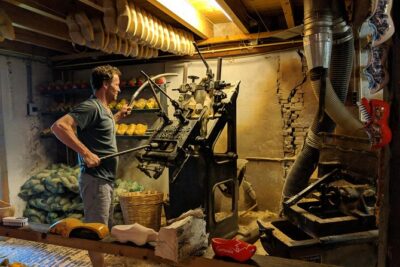
Countryside Bike Tour from Amsterdam: Cheese, Clogs & a Windmill
Read our review →
Mekong Day Trip Explore Village Bicycle CookingClass Group 12 Pax
Read our review →

Cheese Tasting, Windmill & Countryside Bike Tour
Read our review →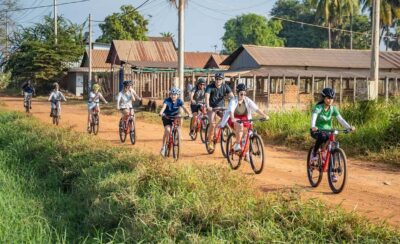
Browse the lists this tour appears in