
Review · HIROSHIMA
Hiroshima and Miyajima by Bike and Boat
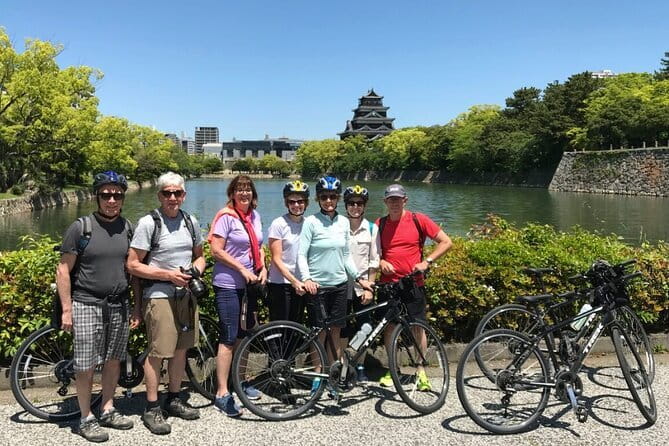
The clever part of this full-day outing is the mix of bicycle, train, and ferry. You cover far more ground than on foot, moving from Hiroshima’s rivers and memorial parks to Miyajima’s shrine, deer, and island streets without having to arrange the transport yourself.
I like the small group, capped at eight, and the way guides such as Aimee, Alex, Ihsan, and James have tailored the day to the group. I also like the included local lunch, since Hiroshima-style food adds a welcome taste of place rather than another hurried stop.
The main drawback is the packed schedule. Miyajima includes plenty of walking, and the tour may run long. The Peace Memorial Museum is not included, so you need extra time afterward if that is a priority.
Key points to know before booking
- A three-part way to explore: Ride beside rivers and through Hiroshima, then use the JR train and ferry to reach Miyajima.
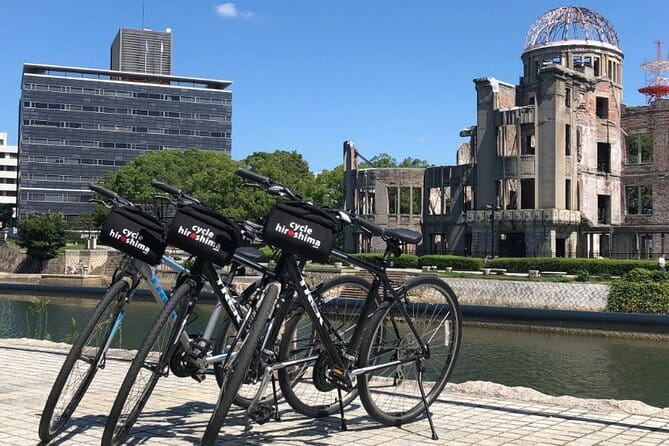
- A serious history stop: Peace Memorial Park and the Atomic Bomb Victims Cenotaph receive thoughtful guide commentary, but the museum is not part of the tour.
- Lunch is included: Expect regional Japanese food, with vegetarian choices available if arranged in advance.
- Small groups matter: The maximum of eight allows for bike fitting, questions, photos, and some schedule changes.
- Heat can affect the day: The route is active and can feel demanding in hot, humid weather, though guides have adjusted the pace and added breaks.
- The price covers the basics: At $142.05 per person, bicycle use, train and ferry rides, lunch, fees, and taxes are included.
Why the bicycle is the right start in Hiroshima
Meeting time is 9:30 a.m. at Cycle Hiroshima, at 4-chōme-5-4 Ōtemachi in Naka Ward. You choose a bicycle and get fitted before setting off. One useful detail from the experiences shared by past participants is that the staff have handled different heights well, including fitting a Trek bike to a rider who is 159 centimeters tall.
The opening ride follows rivers, passes through parks, and cuts through neighborhoods. This is a good way to get your bearings because Hiroshima is not presented only as a set of monuments. You see how the city functions between the major sights, and the bike lets you cover distances that would make a walking tour tiring.
You should still think of this as an active day, not a gentle ride with occasional sightseeing. You will cycle, walk around Miyajima, board a train and ferry, and get back on the bike at the end. In hot weather, drink often and expect the guide to slow the pace or add rests.
Guides Aimee and Alex are often praised for keeping the mood friendly and adjusting the plan to suit the group. That flexibility is especially useful when the group is small. You can ask for more time at a memorial, a food stop, or a photo point, although the full itinerary leaves limited room for long independent visits.
More bike and boat tours in Japan:
- Hiroshima: City and Miyajima Bike and Boat Tour
★ 5.0 · 20 reviews - Ninh Binh Day Trip: Hoa Lu-Trang An/Tam Coc-Mua Cave-Cycling-Boat
★ 5.0 · 1,886 reviews - From Fremantle: Rottnest Island Ferry and Bike Day Tour
★ 4.6 · 805 reviews
Peace Memorial Park requires time and care
The tour gives about an hour to Peace Memorial Park, followed by around 15 minutes at the Cenotaph for the Atomic Bomb Victims. This is the emotional center of the Hiroshima portion, and the guide’s role matters here.
A good guide can explain the events leading to the atomic bombing, the destruction of the city, and the aftermath without reducing the subject to a few dates. Several guides, including Ihsan, James, Melissa, Aimee, and Alex, have been singled out for clear, balanced explanations and for handling the subject with respect and care.
The Cenotaph is a brief stop, but it is not something to rush through. You have a moment to reflect before the group moves on. The Peace Memorial Park also contains several monuments that are easy to pass without context, so having someone point them out gives the visit more meaning than simply cycling past.
Here is the important limitation: the Peace Memorial Museum is not included. If you want its exhibits, plan to visit separately, either before or after the tour. One participant arranged museum tickets with help from the guide, but that should not be treated as part of the standard schedule.
The timing can also shift. If your group spends longer on Miyajima, you may reach Hiroshima’s memorial sites later than expected. One less satisfied participant found the memorial visit rushed near sunset after a long island stop. If Hiroshima’s wartime story is your main reason for booking, tell the guide early and keep an eye on the clock.
Hiroshima Castle adds a different chapter
Hiroshima Castle is scheduled for about 30 minutes. The restored castle, moats, grounds, and main tower provide a change of mood after the Peace Park. Here the focus turns to feudal Japan and the city’s earlier political and military role.
You will have time for photos and a look around the grounds, but not an extended museum visit. Thirty minutes is enough to appreciate the setting and basic story, not enough for a slow, detailed examination of every display.
This stop works best as part of the larger contrast. Hiroshima is not only a modern city shaped by 1945. The castle helps place the city in a longer timeline, and the bicycle ride between sites shows how old and new parts of Hiroshima sit close together.
The train and JR ferry make Miyajima easy
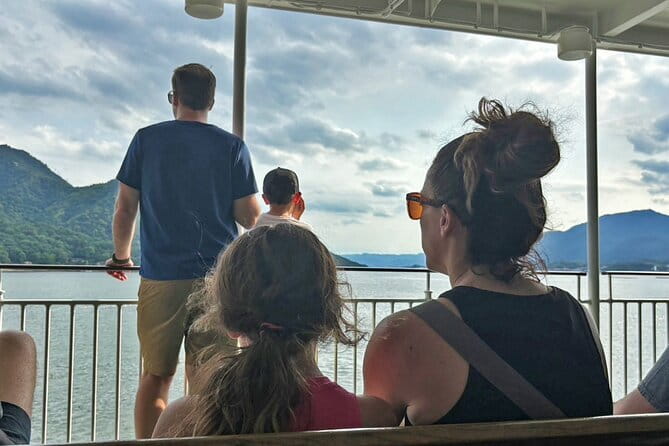
After the Hiroshima stops, the tour uses public transport to reach Miyajima. The JR Miyajima Ferry ride takes about 30 minutes, and the fare is included. The train and ferry combination breaks up the cycling and gives you a different view of the area.
This is one reason the $142.05 price can make sense. You are not paying only for a bike and a guide. The fee also covers the train and ferry rides, lunch, bicycle use, taxes, and other listed costs. You still need to judge the value against your interests, but organizing the same route independently would require coordinating transport, timing, food, and navigation.
The ferry is also a useful transition. Hiroshima’s memorial sites call for quiet attention. The ride to Miyajima gives you time to change pace before reaching the island, where the day becomes more about shrines, scenery, local customs, and food.
More boat trips in Japan:
- Day Trip: Hell’s Gate Bike Ride & Lake Naivasha Boat Ride
★ 4.4 · 251 reviews - Explore Bangkok by Bike & Boat with Lunch
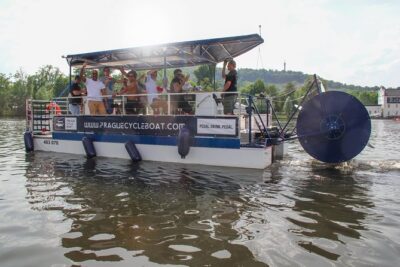
★ 5.0 · 213 reviews - Prague Cycle Boat – The Swimming Beer Bike
★ 5.0 · 179 reviews - Hoi An: Rural Cycling Tour to Village with Basket Boat Ride
★ 5.0 · 174 reviews
Miyajima mixes shrine views, deer, and busy streets
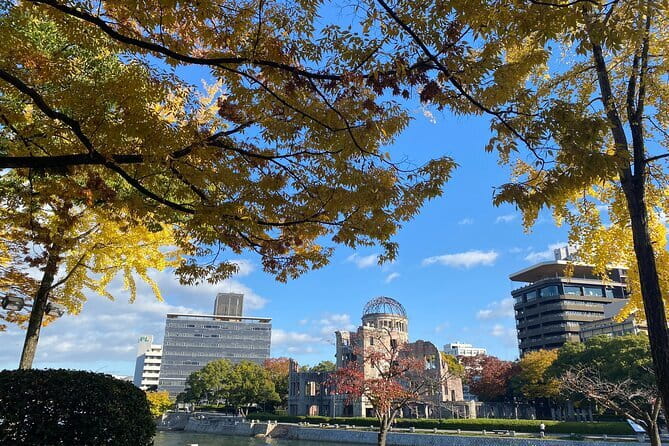
The island portion lasts roughly three hours in total, including Itsukushima Shrine and lunch. Your guide leads you through the streets, points out the orange buildings against the wooded hills, explains local customs, and helps you find the main sights.
The deer are part of the island experience. You may see them around the public areas, and guides can explain the local setting while helping you take photos. Keep your attention on the surroundings, though. Miyajima can become the liveliest part of the day, especially around its most famous sights.
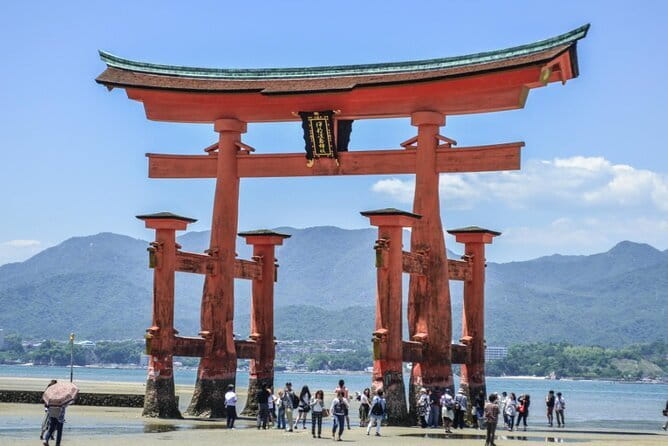
Itsukushima Shrine is the main attraction. The orange architecture and celebrated torii gate make it one of Japan’s most recognizable views. The tour allows time to walk around the monuments and landmarks connected with the shrine, rather than treating it as a quick photo stop.
The island may be the part you remember most, but it is also where the schedule can stretch. You are walking rather than cycling for much of this section, and lunch may take longer than planned. If you want a slow visit to shops, gardens, or other island sights, this tour may feel too structured.
Some guides have added extra stops or activities when conditions allowed. One Aimee-led outing included a paper-crane activity at the Children’s Peace Monument and a temple activity on Miyajima. These additions show the value of a flexible small group, but they are not guaranteed elements of every departure.
Lunch gives the day a local pause
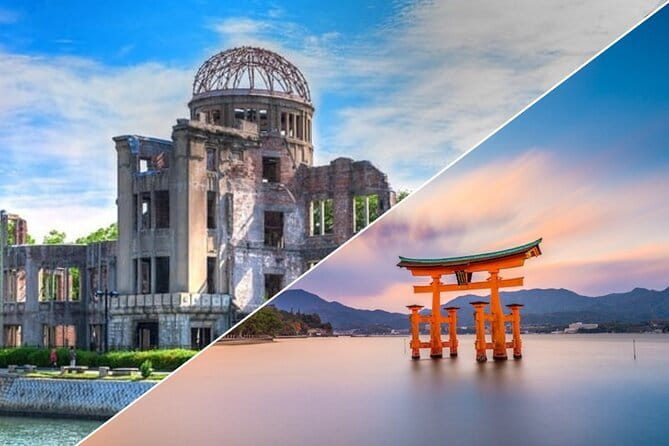
Lunch is included at a nearby eatery around the Itsukushima Shrine area. The meal features local Japanese dishes, and Hiroshima-style okonomiyaki has been a highlight on some departures. Other meals have included Hiroshima ramen.
This is a practical inclusion. You do not have to leave the group to search for food during a tightly timed day, and you get a chance to try a regional specialty. The social side matters too. A shared meal gives you time to talk with the guide and the rest of the group when nobody is trying to steer a bicycle or catch a ferry.
Vegetarian meals are available, but other dietary restrictions need to be discussed before the tour. Do not wait until lunchtime to raise a serious food requirement.
If lunch is especially important to you, ask the operator what is planned for your date. The exact restaurant and dish can vary, and a meal that runs long can affect the later sightseeing schedule.
What the guides add to the experience
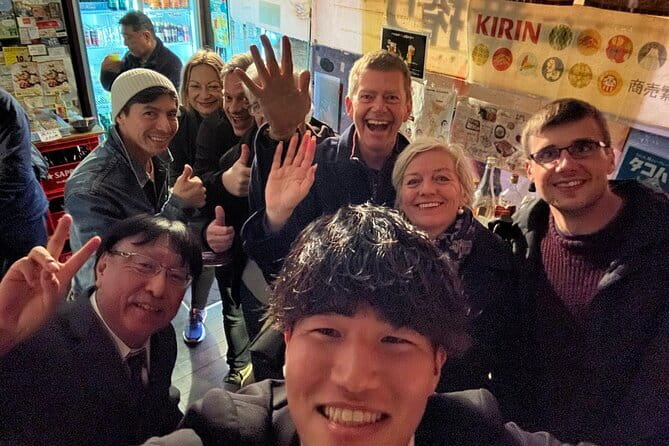
The guide can make or break a day that covers this much ground. The strongest accounts describe guides who are friendly, clear in English, careful with bike fitting, and good at balancing difficult history with lighter conversation.
Aimee is frequently praised for warmth, humor, flexibility, and care in extreme heat. She has adjusted the pace, arranged breaks, and helped people feel comfortable even when the group was very small. Alex is described as an experienced Hiroshima guide with a strong grasp of the city’s details. Ihsan has been praised for explaining wartime events from more than one perspective.
James has also been noted for language skills, attention to bike setup, and detailed explanations of the city and island. Melissa received praise for clear English and for finding the right tone when discussing Hiroshima’s painful past.
These names are useful context, but you cannot choose a particular guide from the information provided. The quality of the day depends partly on who leads your departure. Still, the small group gives any guide more room to answer questions and respond to your interests.
The schedule can run longer than advertised
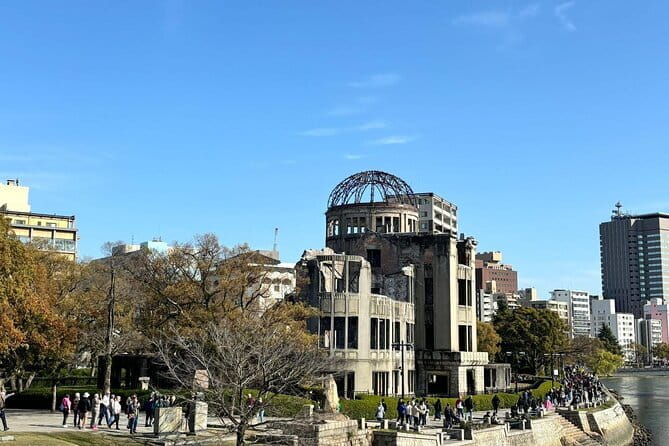
The stated duration is about seven to eight hours, beginning at 9:30 a.m. and returning to the Cycle Hiroshima meeting point. The final bike ride back to base takes about 20 minutes, where you can collect stored luggage and ask for onward travel suggestions.
Plan with a buffer. One outing lasted about 10 hours after a long Miyajima visit and extended lunch. That is not necessarily a problem if you have kept the evening free, but it can matter if you have a train reservation, dinner booking, or evening attraction planned.
The order can also change. Some guides have visited Miyajima first and the Peace Memorial area later. That may work well if you prefer to tackle the island before the day gets hot, but it can also push the memorial portion later. Tell the guide if the Peace Park is your top priority.
Rain and heat are the main practical concerns. The activity requires good weather, and the operator may offer another date or a full refund if poor weather causes cancellation. Guides have switched from cycling to walking in heavy rain, so the day may still go ahead in a different form.
Who should book this Hiroshima bike and boat tour?
I would choose this experience if you have one full day in Hiroshima and want an organized introduction to both the city and Miyajima. It suits people who like to stay active, ask questions, and see major sights without spending the day figuring out transport.
It is also a strong choice for first-time visitors who want context. The route connects Hiroshima’s rivers, castle, Peace Memorial Park, ferry terminal, and island shrine in one clear story.
You may want another plan if you want a long museum visit, extensive free time on Miyajima, or a slow cycling day with little walking. You should also reconsider if hot weather makes several hours outdoors uncomfortable.
At $142.05, the value is strongest when you use the whole package: bicycle, guide, lunch, train, ferry, and a full day of sightseeing. The 4.9 rating from 172 ratings and 98 percent recommendation indicate a very strong record, but the less positive experience points to the key risk: the itinerary can become too long and give the Peace Park less time than you hoped.
Should you book it?
Book this tour if you want a practical, active introduction to Hiroshima and Miyajima, especially when your time is limited. The small group, included transport, local lunch, and guides such as Aimee, Alex, Ihsan, James, or Melissa can turn a complicated day into an easy one.
Before booking, decide what matters most. If the atomic bombing story and museum are your priority, reserve separate museum time and tell the guide to protect the Peace Park portion. If you mainly want Miyajima, shrine views, deer, and a relaxed meal, the schedule may suit you very well. Cancel at least 24 hours before the 9:30 a.m. start for a full refund, and remember that bad weather or too few bookings can lead to a date change or refund.
FAQ
How long does the Hiroshima and Miyajima bike tour last?
The planned duration is approximately seven to eight hours. Some departures may run longer because of the time spent on Miyajima or at lunch.
Where does the tour start and end?
It starts at Cycle Hiroshima, 4-chōme-5-4 Ōtemachi, Naka Ward, Hiroshima. The activity ends back at the same meeting point.
What transportation is included?
The tour includes bicycle use, a train ride, and the JR Miyajima Ferry. Train and ferry fares are included in the price.
Is lunch included?
Yes. Lunch featuring local Japanese dishes is included, and vegetarian options are available. Other dietary restrictions should be discussed before the tour.
Does the tour include the Peace Memorial Museum?
No. The schedule includes Peace Memorial Park and the Cenotaph for the Atomic Bomb Victims, but not entry to the Peace Memorial Museum.
What happens if the weather is poor?
The experience requires good weather. If the operator cancels because of poor weather, you will be offered another date or a full refund.
Just added around Japan
- Slow Cycling Tour at Uji’s Matcha Green Tea Fields and Heritage★ 5.0 · 25 reviews
- Tokyo Non-Touristy Local Private E-bike Cycling Tour from Asakusa★ 5.0 · 2 reviews
- Tokyo Night Bike Tour: From Shibuya to Tokyo Tower via Roppongi★ 5.0 · 29 reviews
- 2.5 Hour-Guided Cycle Tour in the Central Tokyo★ 5.0 · 25 reviews
- Little Adventure with Cycling in Tokyo No. 1 Crystal Clear River★ 5.0 · 6 reviews
- Tokushima & Mt. Bizan BROMPTON Slow Cycling Tour★ 5.0 · 5 reviews
- Tokyo’s hidden nature cycling tour – Okutama Historical Road Tour★ 5.0 · 6 reviews
- Wakimachi BROMPTON Slow Cycling Tour★ 5.0 · 5 reviews
Bike & Boat Tours, compared.
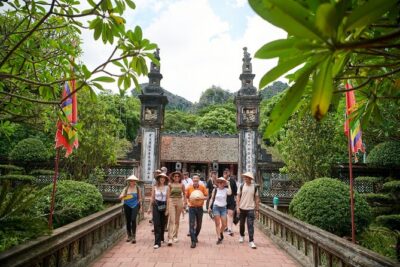
Ninh Binh Day Trip: Hoa Lu-Trang An/Tam Coc-Mua Cave-Cycling-Boat
Read our review →
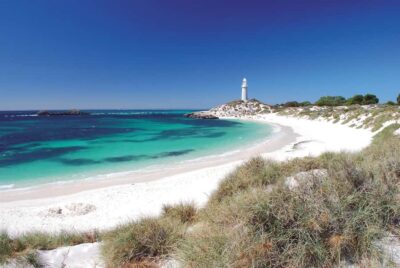

Day Trip: Hell’s Gate Bike Ride & Lake Naivasha Boat Ride
Read our review →
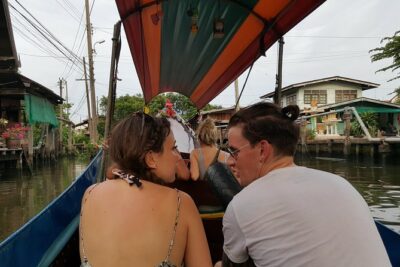
Rural Cycling Tour to Village with Basket Boat Ride
Read our review →Browse the lists this tour appears in