
Review · JAPAN
Japan’s Rural Life & Nature: Private Half Day Cycling Near Kyoto
A short bullet-train ride from Kyoto drops you into a quieter Japan of rice paddies, farm lanes, village temples, and mountain springs. This private half-day trip around Maibara covers about 13 kilometers by bike, with enough stops to keep the ride relaxed rather than race-like.
I like the easy access from Kyoto and the chance to see rural life without giving up a full day. I also like the guide, Tako, who speaks fluent English, carries a useful history binder, and knows the local communities well. The main consideration is the price: at $255, this makes the most sense for a private group that values personal guiding and a tailor-made pace.
Key points
- Twenty minutes by bullet train from Kyoto: Maibara is close enough for a simple side trip, yet feels far removed from Kyoto’s temple crowds.
- A 13km beginner-friendly route: You ride mostly through farming areas, villages, and back roads, with a short walk at Iwaya Zenkodo Temple.
- Tako’s local storytelling: Expect clear English, Japanese history, and details about village life that you would likely miss on your own.
- Four very different stops: The route combines Saienji Temple, a mountain temple and cave, a natural spring, and former lakebed farmland.
- Private and flexible: Only your group takes part, and you may be able to spend extra time at Lake Biwa or continue to Hikone Castle afterward.
- Good practical inclusions: Bikes, coffee or tea, water, and snacks are included, but lunch is not.
Why this Maibara bike ride feels different from Kyoto sightseeing
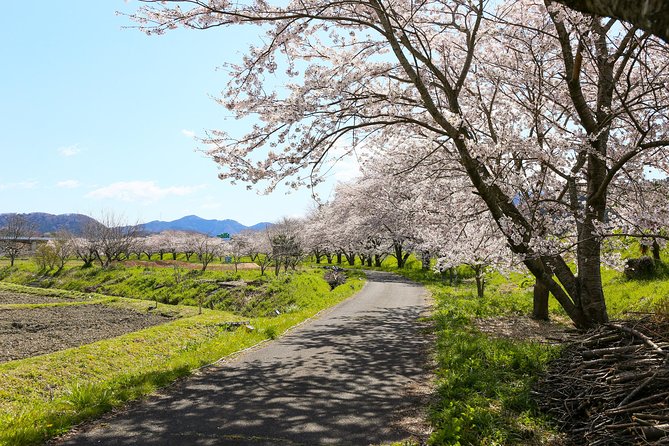
Kyoto gives you polished temples, crowded lanes, and a steady stream of famous sights. This ride gives you farm roads, working villages, rice fields, and the quieter rhythm of Shiga Prefecture.
That change of setting is the point. You are not simply checking off another temple. You are seeing how rural communities fit around Lake Biwa, Japan’s largest lake, and how farming areas have changed over time.
The trip begins and ends at Maibara Station. From Kyoto, the bullet-train ride takes about 20 minutes, making this one of the easier ways to add countryside to a city-based Japan itinerary. You do not need to arrange a complicated transfer or spend hours on a local train.
The tour lasts about three to four hours. The riding itself is beginner-friendly, but you should still have moderate physical fitness. The route covers 13 kilometers, and one stop includes a short hike on a 120-meter-high mountain. That is manageable for most active visitors, but it is not a completely seated sightseeing tour.
More Private Cycling Tours in Japan
- 3-Hour Tokyo Private E-Bike Tour Starting from Your Hotel
★ 5.0 · 117 reviews - Private Afternoon Cycling Tour in Hida-Furukawa
★ 5.0 · 109 reviews - Private-group Morning Cycling Tour in Hida-Furukawa
★ 5.0 · 105 reviews
Maibara Station and the farming villages
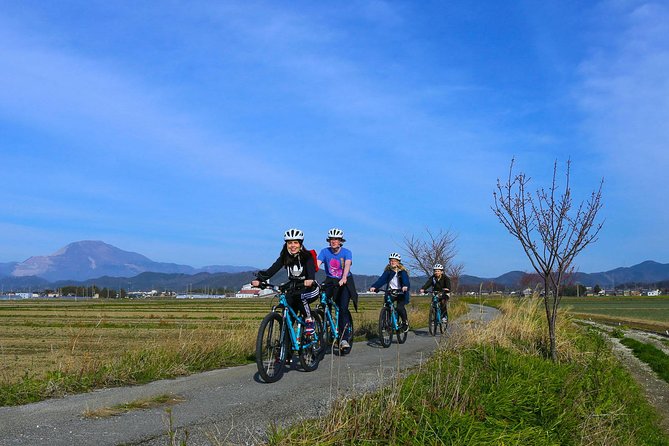
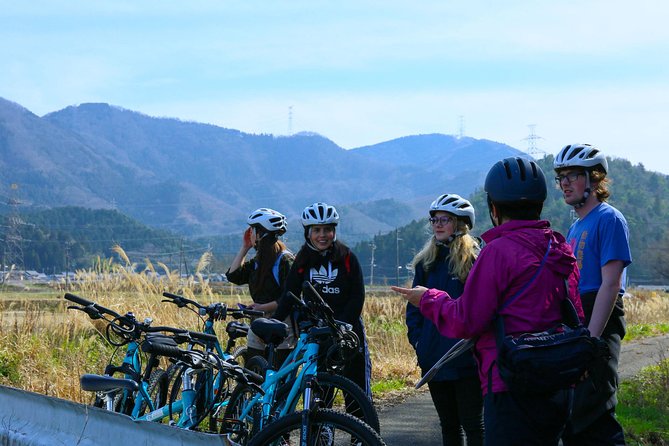
You meet your guide at Maibara Station, collect your bicycle, and begin on the roads around the town. The route follows farming areas and villages that have been joined to Maibara for local government purposes in recent decades.
That detail gives the opening section some context. What may look like one continuous town is really a collection of smaller communities with their own identities and pasts. Tako helps explain those changes as you ride.
The roads are described as quiet back roads, which matters for a beginner cyclist. You can pay attention to the paddies, houses, irrigation channels, and distant mountains instead of worrying about city traffic.
The bicycles have been described as new and well prepared, though exact bike styles and sizing are not specified. If you have a particular fit concern, ask about it when booking. The private format also helps here: your group can set a comfortable pace rather than trying to keep up with strangers.
This is a good place to remember that rural Japan is not a theme park. You may pass ordinary homes, working farms, and local roads where people are going about their day. Be considerate with photographs and avoid blocking narrow lanes.
Saienji Temple and a traditional village setting
The first cultural stop is Saienji, a Chinese-influenced Zen temple that also gives its name to the nearby village community. You spend about 15 minutes here.
That is enough time for a look rather than a full temple visit. The value is in seeing the temple together with the village around it. In Kyoto, famous religious sites can feel separated from daily life by gates, crowds, and entry queues. Here, the temple is part of a small community.
The stop is brief, so you should not expect an extended meditation session or a long architectural tour. Its role is to help you read the area. Tako can explain how a rural temple and village relate to one another, then the ride moves on before the visit becomes repetitive.
I like this kind of stop because it adds cultural meaning without turning a short cycling trip into a string of formal temple inspections. You get a glimpse, a story, and a better sense of place.
Iwaya Zenkodo Temple, the cave, and the short uphill walk
The most unusual stop comes at Iwaya Zenkodo Temple. The temple is built into the side of a small mountain, and the visit includes a short hike, refreshments, an Inari Shrine, and an old manmade cave with a distinctive local story.
The mountain is only about 120 meters high, but the route is not flat. Wear shoes that are comfortable for walking, not just cycling. The information does not specify trail conditions, so anyone with mobility concerns should ask the operator for more details before booking.
This stop adds variety to the ride. You leave the bicycle for a while, walk into a more wooded setting, and see a place that would be easy to miss if you stayed on the main roads. The temple’s position in the mountain is the main visual draw.
The cave and shrine also show how religious places in Japan can combine several traditions and layers of use. You get a temple, an Inari shrine, and a human-made cave in one compact visit. Tako’s explanations are particularly useful here because the setting may not be self-explanatory.
Refreshments are included along the way, and coffee or tea are part of the tour. Water and snacks are also described as included, which is helpful after the ride and short climb. Lunch is not included, so plan to eat before or after the activity.
More countryside cycling tours in Japan:
- Hiroshima Country Cycling: Explore Rural Life 1 HR from City
★ 5.0 · 22 reviews - Hiroshima Country Cycling: Explore Rural Life 1 HR from City
★ 5.0 · 8 reviews - Countryside Bike Tour from Amsterdam: Cheese, Clogs & a Windmill
★ 5.0 · 1,485 reviews - Mekong Day Trip Explore Village Bicycle CookingClass Group 12 Pax
★ 5.0 · 705 reviews
The untreated spring between Mt. Ibuki and Lake Biwa
The next stop is a natural spring known as 南世継外れ温泉. You spend about 10 minutes here.
The spring is connected to underground water flow between Mt. Ibuki and Lake Biwa. Local people have shared it for a long time, mainly for washing vegetables and other household uses.
The important practical warning is that this water is untreated and not for drinking. Do not fill your bottle here simply because the water looks clean. The stop is about local water use and the relationship between mountain runoff, farming, and settlement, not about sampling the spring.
Ten minutes is enough for a quick look and explanation. It is not a major sightseeing attraction, and some visitors may find it modest. I see that as part of the appeal. The ride is built from small, ordinary details that reveal how the countryside works.
Former lake country turned into rice fields
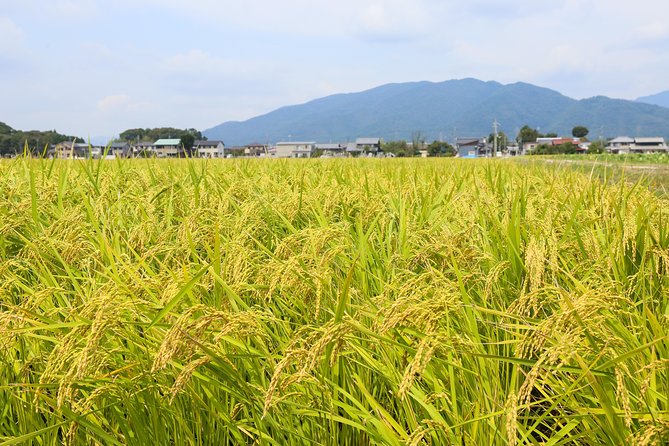
One of the more interesting pieces of context comes near the agricultural area around Maibara. Before the war, this was a smaller inland lake near Lake Biwa. It was later drained and converted to farmland to produce more rice during Japan’s postwar recovery.
You can see this history in the flat agricultural setting. The fields are not just pretty scenery. They represent a deliberate change in how the land was used and how food production was supported.
This is where a guide adds real value. On your own, you might cycle past rice paddies and simply admire the view. With Tako, you can connect the fields to water management, postwar needs, and the older shape of the area.
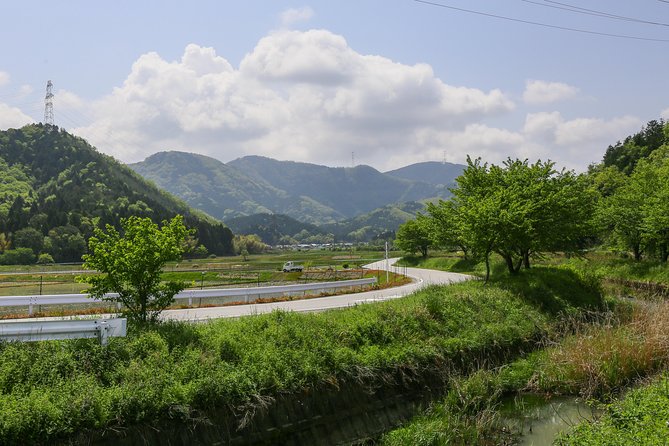
The farming scenery also provides a welcome contrast to Kyoto’s built-up center. You may see long open stretches, village homes, irrigation features, and mountains beyond the fields. The route is especially suited to you if you want photographs and a slower look at ordinary Japanese countryside.
Lake Biwa, Hikone Castle, and what you can add
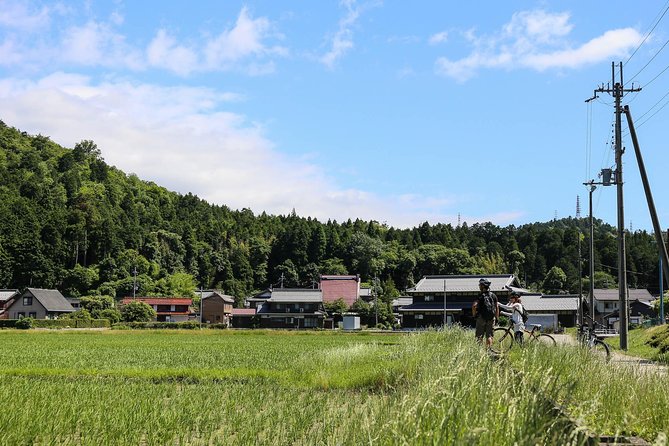
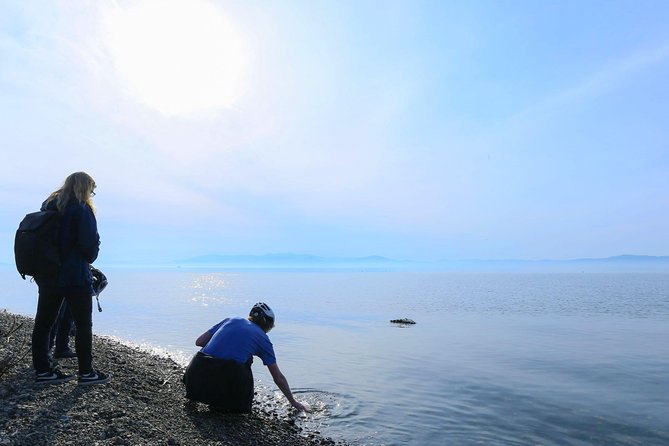
The route includes a ride toward Lake Biwa, and you can arrange to spend more time near the lake if you prefer. The standard activity remains a half-day outing, so extra sightseeing may require additional time beyond the main tour.
Hikone Castle is another useful add-on. The tour ends back at Maibara Station, but one family reported that Tako provided a ride to Hikone Castle afterward. Treat that as an example of above-and-beyond flexibility, not a guaranteed part of the package. Ask in advance if you want to combine the cycling trip with the castle.
This matters when planning your day. Hikone Castle and Lake Biwa are not the same kind of stop. The lake gives you open views and a quieter waterside setting. The castle offers a major historic attraction that could easily take a separate block of time.
If you are hoping to see both, do not assume the basic three to four hours includes a full castle visit. Confirm the plan with Biwako Backroads before booking, especially if you have a fixed train reservation later.
Tako makes the private format worthwhile
The guide is a major part of the experience. Tako is described as fluent in English after living in the United States, and she brings a binder with historical information. That combination is useful: you get conversation during the ride plus visual material when a place needs more explanation.
The private format means only your group participates. That gives you more room to ask questions about Japanese rural life, local history, farming, or the stops along the route. It also makes the ride easier to adjust for a family or a group with mixed cycling ability.
One practical strength is the guide’s familiarity with the area. At one village, a local older man came out to greet her and spent time with the group. Encounters like that cannot be promised, but the moment shows the advantage of traveling with someone who has ties to the community.
You should still keep your expectations realistic. This is not a formal lecture, a full-day cultural course, or a large guided sightseeing operation. It is a personal ride with local explanation built into the journey.
How hard is the 13km route?
The ride is described as beginner-friendly and relatively easy. The 13-kilometer distance is not extreme, particularly since the route includes several stops and follows back roads rather than presenting one long hard push.
The short hike at Iwaya Zenkodo is the main part that breaks up the cycling. You should be comfortable riding for several hours and walking uphill for a short stretch. The stated requirement is moderate physical fitness.
Rain does not automatically make the experience impossible, but the activity requires good weather and can be canceled if conditions are poor. Some riders have completed the trip in rain, but that does not change the official weather policy. If the operator cancels, you are offered another date or a full refund.
Bring clothing suitable for cycling and walking, though the supplied information does not specify helmets, rain gear, or bike equipment. Ask about those details before departure if they matter to you.
Is $255 good value?
At $255, this is not a budget bike rental. The price pays for a private guide, the bicycles, local interpretation, the planned route, and included coffee or tea. Water and snacks are also included in the tour description.
The value improves if two or more people share the private booking and make use of the guide’s flexibility. Group discounts are available, though the exact price structure is not provided. Check how the rate applies to your party before paying.
I would not choose this tour if your main goal is simply to rent a bicycle for a few hours. You can likely find a cheaper way to ride. I would consider it if you want the countryside explained in English, prefer a private outing, and want a route that combines villages, temples, farming history, and Lake Biwa country.
Lunch is not included, so add a meal before or after the ride. Since the activity begins and ends at Maibara Station, you can keep the rest of your day flexible, but any castle visit or extended lake stop should be planned separately.
Who should book this countryside ride?
This outing suits you if you have already seen Kyoto’s main sights and want a change of pace. It also works well for families with active children, couples, and small groups who prefer a private guide.
The ride is a particularly good match for:
- First-time visitors who want an easy introduction to rural Japan
- Cyclists who prefer quiet roads over demanding routes
- Families seeking a break from temples and city streets
- History-minded visitors interested in farming, water, and village change
- People who want Lake Biwa access without planning a full independent day
It is less suitable if you dislike bicycles, cannot manage a short uphill walk, want a full meal included, or expect a large collection of major monuments. The sights are small-scale, and the pleasure comes from the connections between them.
Should you book the Maibara cycling tour?
Book it if you want to see a quieter side of Japan with a guide who can explain what you are passing. The short train ride, private format, gentle cycling, and mix of temples, farms, springs, and lake country make this a smart break from Kyoto.
Skip it if $255 feels high for a half-day activity or if you want a packed schedule of famous attractions. This is a slow, local outing, not a checklist tour. For the right visitor, that is exactly why it works.
FAQ
Where does the cycling tour begin and end?
The tour begins and ends at Maibara Station in Shiga Prefecture.
How far do you cycle?
The route covers approximately 13 kilometers, or about 9 miles, around Maibara’s villages and farming areas.
How long does the experience last?
The activity lasts approximately three to four hours.
Is the cycling route suitable for beginners?
Yes. The route is described as beginner-friendly, though you should have a moderate level of physical fitness because the experience includes cycling and a short hike.
What food and drinks are included?
Coffee or tea are included, and the tour description also includes water and snacks. Lunch is not included.
Is this a private tour?
Yes. Only your group participates in the activity.
What happens if bad weather cancels the tour?
If the experience is canceled because of poor weather, you can choose a different date or receive a full refund. You can also cancel for a full refund if you do so at least 24 hours before the start time.
Just added around Japan
- Slow Cycling Tour at Uji’s Matcha Green Tea Fields and Heritage★ 5.0 · 25 reviews
- Tokyo Non-Touristy Local Private E-bike Cycling Tour from Asakusa★ 5.0 · 2 reviews
- Tokyo Night Bike Tour: From Shibuya to Tokyo Tower via Roppongi★ 5.0 · 29 reviews
- 2.5 Hour-Guided Cycle Tour in the Central Tokyo★ 5.0 · 25 reviews
- Little Adventure with Cycling in Tokyo No. 1 Crystal Clear River★ 5.0 · 6 reviews
- Tokushima & Mt. Bizan BROMPTON Slow Cycling Tour★ 5.0 · 5 reviews
- Tokyo’s hidden nature cycling tour – Okutama Historical Road Tour★ 5.0 · 6 reviews
- Wakimachi BROMPTON Slow Cycling Tour★ 5.0 · 5 reviews
Countryside Cycling Tours, compared.
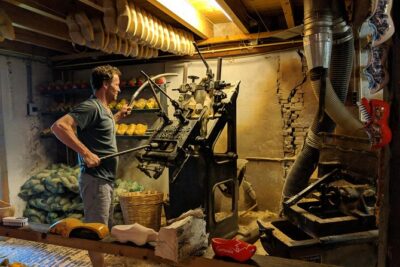
Countryside Bike Tour from Amsterdam: Cheese, Clogs & a Windmill
Read our review →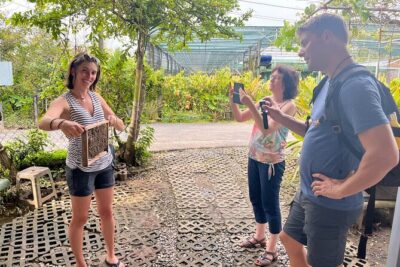
Mekong Day Trip Explore Village Bicycle CookingClass Group 12 Pax
Read our review →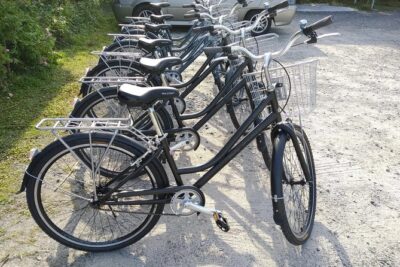

Cheese Tasting, Windmill & Countryside Bike Tour
Read our review →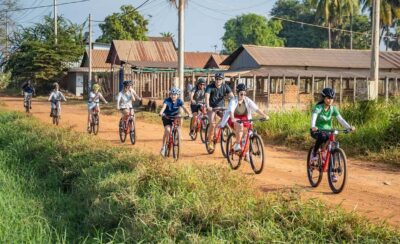
Browse the lists this tour appears in