
Review · JAPAN
Short Morning Cycling Tour in Hida
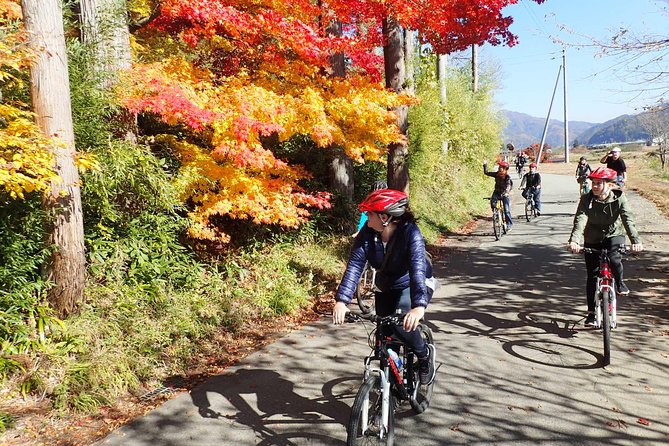
Hida’s best views are not behind a museum door. They are along quiet roads, beside rice fields, near old farmhouses, and in the everyday places where local life continues. This 12-kilometer morning ride takes you through Hida Furukawa and its surrounding countryside, with a guide who explains the farming, customs, buildings, and wildlife you would likely miss on your own.
I like the small group size, capped at eight, and the gentle pace. I also like the human side of the route: you may stop at a local market, talk with residents, taste a snack, drink tea, or pause at a shrine and spring. The main consideration is that this is not a high-speed cycling adventure. If you want a hard workout or dramatic mountain riding, this tour will feel too easy.
Key points to know
- A gentle 12-kilometer route: The mostly flat course suits families and people who do not cycle regularly.
- Small groups of up to eight: Your guide can answer questions and adjust the pace more easily than on a large coach tour.
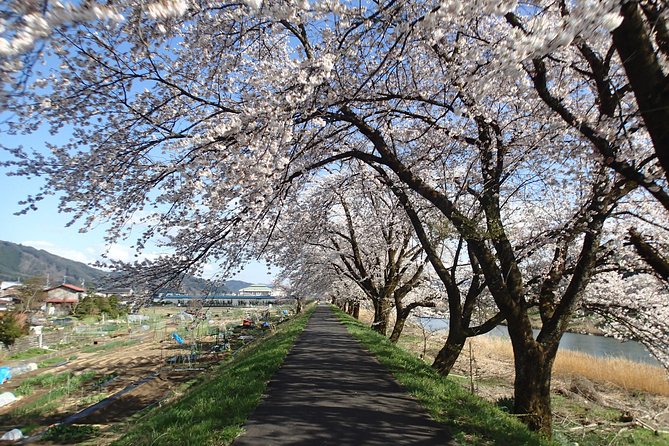
- A close look at rural Hida: Expect rice fields, farming villages, old wooden homes, local produce, shrines, and quiet roads.
- Guides who explain daily life: Guides including Nanami, Miyuki, Marino, Ryoto, and Akiko have shared local stories about farming, wildlife, Hida cattle, and traditional houses.
- Useful inclusions: Bicycle, helmet, insurance, snacks, coffee or tea, and local taxes are included.
- Plan for the details: The tour starts at 10:15 a.m. from the Furukawa office, and bicycles do not have baskets.
Why cycling is the right way to see Hida Furukawa
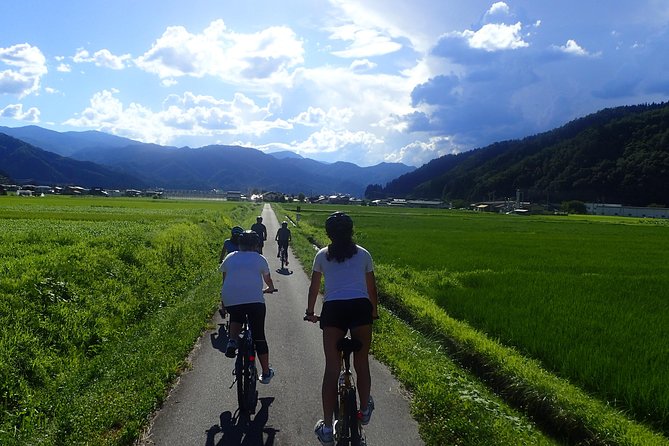
Hida Furukawa is small enough to explore by bicycle, yet spread out enough that walking alone will not show you the full picture. The town gives way quickly to farmland and mountain-framed countryside. On a bike, you can cover that distance without losing the quiet feel of the place.
The appeal is not speed. It is the change in view from one minute to the next. You may begin among town streets, then pass fields, farm buildings, market stalls, and old houses scattered across the countryside. The route offers a useful look at how Hida works as a living community, rather than treating rural Japan as a backdrop for photographs.
The ride covers about 12 kilometers over two and a half hours. That works out to a relaxed pace, with regular stops for explanation and conversation. You should still be comfortable sitting on a bicycle for the morning, but you do not need to be a serious cyclist.
A few more rides around Japan worth a look
- Hiroshima in a Nutshell: Morning Bike Adventure
★ 5.0 · 524 reviews - Private-group Morning Cycling Tour in Hida-Furukawa
★ 5.0 · 105 reviews - Explore Hidden Alleyway with a Local Expert (Morning tour)
★ 5.0 · 61 reviews
Starting at 10:15 a.m. in Furukawa
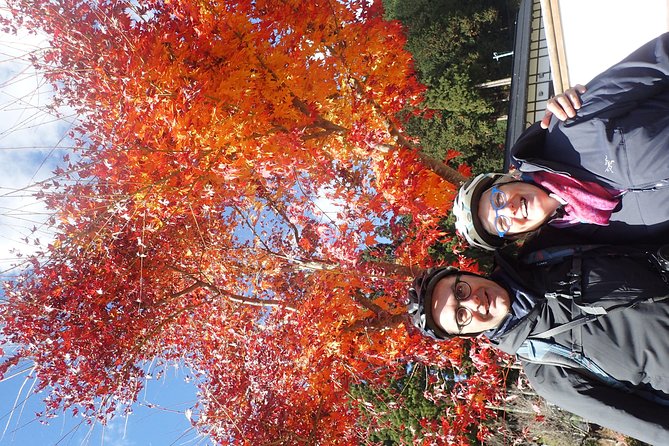
You meet at the Furukawa office at 11-32 Furukawachō Ninomachi, Hida, Gifu 509-4235. The experience begins at 10:15 a.m. and finishes back at the same meeting point, which makes it easy to plan lunch or another Hida activity afterward.
The meeting point is near public transportation. One useful feature of Furukawa is that you can reach the area by train or bus from Takayama, so you do not need a rental car just to join the ride. Still, give yourself enough time to find the office and arrive ready to start.
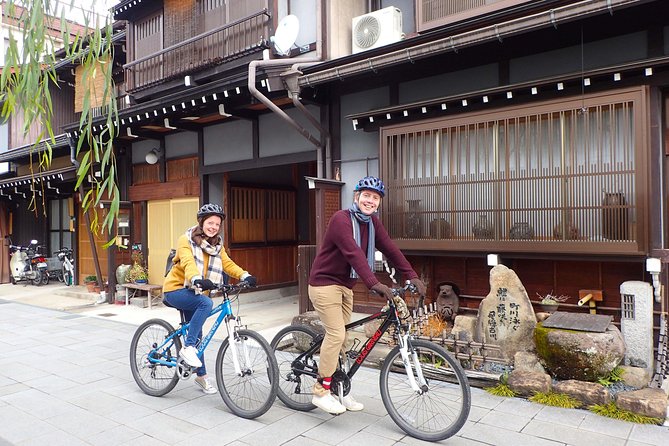
The operator supplies the bicycle and helmet. Insurance and local taxes are included, along with snacks and coffee or tea. One practical detail matters: the bicycle has no basket. Keep your belongings light and secure. A small bag worn comfortably or attached safely to yourself is more useful than arriving with loose shopping or bulky luggage.
The group limit is eight people. A small group matters here because the tour depends on stopping, listening, and asking questions. It also gives the guide a better chance to keep a family together and respond to different cycling abilities.
From town streets to open rice fields
The first part of the ride introduces you to the peaceful town of Hida Furukawa before the route opens into the countryside. Your guide provides context about the buildings, local customs, and the way people use the town. Guides have discussed old folk houses, Hida cattle, rice farming, local plants, and wildlife, so the subject matter goes well beyond directions and scenery.
As you pedal toward the farming area, the road becomes quieter and the views widen. Rice fields stretch around you, with mountains forming the wider setting. The ride gives you time to notice practical details: where vegetables are sold, how homes sit near fields, and how traditional buildings fit into modern daily life.
This section is especially useful if you have spent most of your Japan trip in major cities. You may have seen temples and historic streets elsewhere, but cycling lets you understand the spaces between them. Hida is not presented as a display. You see people farming, maintaining homes, selling produce, and carrying on with ordinary routines.
The route is described as mostly flat, and the pace is easy enough for non-cyclists according to the experience details. Even so, basic comfort on a bike matters. Children must be at least six years old and 125 centimeters tall, or about 4.1 feet. That height requirement is important for families, since age alone does not determine if a child can use the supplied bicycle safely.
Local markets, farm life, and old houses
One of the most appealing parts of the ride is the stop at a local market, where vegetables are lined up for sale. This is a small detail, but it says a lot about the region. You are not simply looking at farmland from a distance. You are seeing how the harvest reaches local people.
The guide may explain the connection between rice growing, seasonal produce, homes, and the surrounding hills. You might also hear about Hida cattle and the customs tied to rural life. The exact conversation will depend on your guide and the day, but the experience is built around local knowledge rather than a fixed speech delivered at a string of major sights.
The old folk houses are another highlight. Large traditional homes appear around the farming area, giving you a sense of the scale and style of rural Hida architecture. Some may be viewed from the road rather than entered, so you should not book this expecting a house tour. Their value here is in seeing them as part of a working community.
This is also where the ride earns its name. The Japanese idea of satoyama describes the managed countryside between settlements and mountains, where fields, woodland, water, and human activity connect. You do not need a lecture to understand the concept. The route lets you watch that relationship unfold as you move through the area.
Same roads, a different day in the saddle:
- Tokyo Great Cycling Tour
★ 5.0 · 811 reviews - Tokyo Top Highlights 3h Guided E-bike Tour
★ 5.0 · 714 reviews - Hiroshima 2hr Peace Cycling Tour with Local Guide
★ 5.0 · 321 reviews - Hiroshima: Peace Cycling Tour with Local Guide
★ 4.8 · 286 reviews
Shrines, spring water, and small discoveries
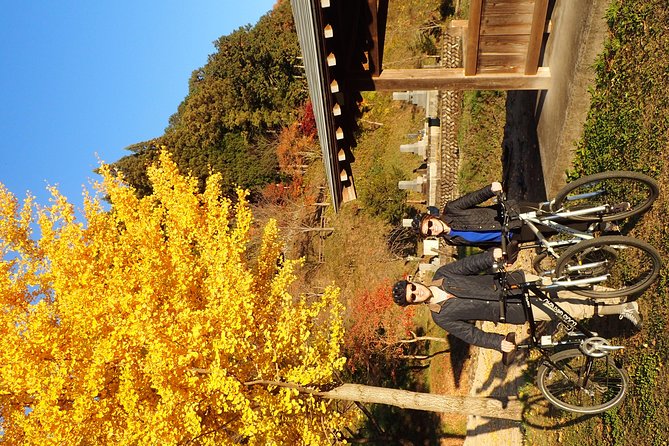
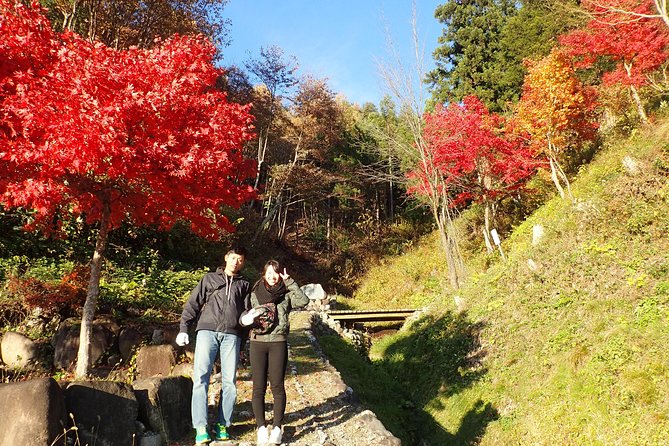
Stops can include local shrines and spring water. These are not presented as grand headline attractions. That is part of their charm. A quiet shrine or a drink of cool spring water can tell you more about local habits than another crowded photo stop.
On a hot day, spring water is a welcome pause. The break also gives you a chance to ask questions and catch your breath. The tour includes coffee or tea and snacks, so the morning has a built-in rest rather than asking you to pedal continuously.
You may also visit a small waterfall or other less-visited places around town. The exact stops can vary, and the tour should be understood as a guided exploration of the area rather than a promise of a rigid collection of landmarks. Your guide’s local judgment is an advantage here. Weather, road conditions, the group’s pace, and seasonal changes can shape the morning.
The human encounters matter as much as the sights. The experience includes chances to meet and chat with local people. You should approach these moments with respect and patience. They are conversations within a working community, not staged performances.
What the guides add to the morning
The guide is the heart of this experience. Several guides have led the ride, including Nanami, Miyuki, Marino, Ryoto, and Akiko. Their strengths vary, but the consistent theme is personal knowledge of Hida and an ability to explain the area in accessible terms.
Nanami has been praised for her interest in local plants, wildlife, and farming. Miyuki has explained Hida culture, cattle, rice growing, and old houses. Marino has been described as warm and well informed, with a talent for answering questions about the countryside. Ryoto has guided families and can speak French, while Akiko has led rides focused on local history, traditions, and the people who live among the old homes.
English ability is described positively, and one guide has also led French-language tours. Still, guide assignments can change, so you should not book with the expectation of a particular person unless the operator confirms it.
The guides also appear to make room for conversation. You can ask about farming, architecture, food, customs, or daily life. That flexibility helps turn a simple bike ride into a clearer picture of Hida. It also means the experience may feel different for a family with children than for a couple interested in local agriculture.
Is $161.18 a fair price?
At $161.18 per person, this is not a cheap bicycle rental. You are paying for a guided experience, not just wheels for the morning. The price includes the bicycle, helmet, insurance, taxes, snacks, and coffee or tea, along with about two and a half hours of local interpretation.
The value depends on what you want from Hida. If you only need transportation around town, rent a bicycle and spend less. If you want to understand what you are seeing, find quiet roads without planning a route, and have someone explain the connection between rice fields, houses, markets, shrines, and local customs, the price is easier to justify.
The eight-person limit improves the value for people who dislike large groups. Families may also find the cost worthwhile because the route is organized, the pace is gentle, and the guide can help with questions and stops. Group discounts are available, though the exact saving is not specified, so check the current booking terms before assuming a particular rate.
The tour is usually booked well ahead, with an average booking lead time of about 65 days. That suggests planning early, especially if you have fixed dates or need a family-friendly activity. Confirmation is sent within 48 hours, subject to availability.
Weather, comfort, and who should join
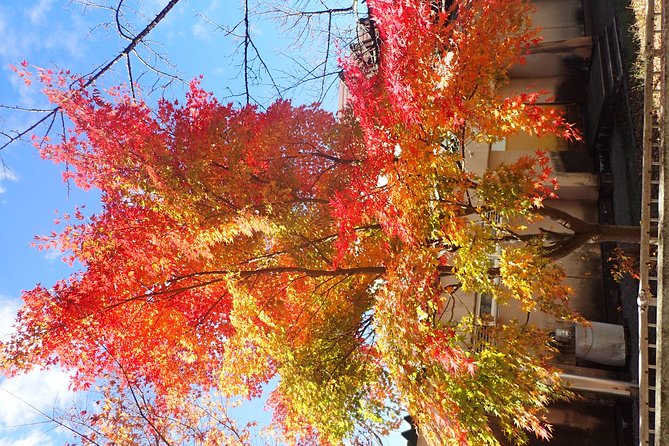
The experience runs outdoors, so weather matters. A wet day does not automatically ruin the ride. Waterproof clothing has been provided when needed, but you should still arrive prepared for conditions. Rain, heat, and seasonal changes will affect how comfortable the morning feels.
The course is a good match for:
- Families with children who meet the minimum age and height requirements
- People who want a gentle ride rather than a demanding workout
- First-time visitors seeking rural Japan beyond the major tourist centers
- Anyone interested in farming, traditional homes, local food, and daily customs
- Visitors staying in or near Takayama who want a countryside excursion without renting a car
It is less suitable if you want steep climbs, long-distance cycling, technical trails, or a tightly scheduled sightseeing tour. The experience uses cycling as a way to move slowly through the area. The strongest moments come from observation and conversation.
Wear clothing that is comfortable for cycling and bring protection from sun or rain. Since there is no basket, avoid carrying more than you can manage safely. Food and drinks beyond the included snacks and coffee or tea are not included.
Cancellation and planning notes
You can cancel free of charge up to 24 hours before the start time for a full refund. Cancellations or changes made less than 24 hours before the experience are not accepted for a refund, and the cut-off uses local time.
The tour ends at the original meeting point. That makes the 10:15 a.m. start convenient for a full afternoon in Hida, but you should not schedule something immediately after it if you need a precise departure time. The stated duration is approximately two hours and 30 minutes.
The 4.9 rating from 17 ratings and the 100 percent recommendation rate fit the experience’s main strengths: calm cycling, friendly guides, rural views, and useful local conversation. The most important expectation to set is this: you are joining a cultural ride with exercise, not a sports tour.
Should you book the Hida cycling tour?
I would book this if you have half a day in Hida Furukawa and want to see how the countryside functions beyond the famous streets and temples. The combination of a flat route, small group, local guide, market stop, old houses, rice fields, shrines, and tea break gives you a well-rounded morning.
Families should check the 125-centimeter minimum height carefully. Casual cyclists should feel comfortable with the pace, while serious riders may find the route too mild. The price is high for a simple ride, but reasonable for personal guiding, equipment, insurance, refreshments, and access to places and conversations you would be unlikely to arrange alone.
Book it for the stories, the quiet roads, and the chance to see Hida as a community. Skip it only if you want speed, a hard workout, or a list of major sights. For most people seeking a thoughtful look at rural Japan, this is a strong use of a morning.
FAQ
Where does the Hida cycling tour start?
The tour starts at the Furukawa office at 11-32 Furukawachō Ninomachi, Hida, Gifu 509-4235, Japan.
What time does the tour begin?
The morning departure is scheduled for 10:15 a.m.
How long is the cycling experience?
The tour lasts approximately two hours and 30 minutes and covers about 12 kilometers.
How many people can join?
The maximum group size is eight people.
What is included in the price?
The price includes a local guide, bicycle, helmet, insurance, local taxes, snacks, and coffee or tea.
What is the minimum age and height?
Children must be at least six years old and 125 centimeters tall, or approximately 4.1 feet.
Just added around Japan
- Slow Cycling Tour at Uji’s Matcha Green Tea Fields and Heritage★ 5.0 · 25 reviews
- Tokyo Non-Touristy Local Private E-bike Cycling Tour from Asakusa★ 5.0 · 2 reviews
- Little Adventure with Cycling in Tokyo No. 1 Crystal Clear River★ 5.0 · 6 reviews
- Tokyo Night Bike Tour: From Shibuya to Tokyo Tower via Roppongi★ 5.0 · 29 reviews
- 2.5 Hour-Guided Cycle Tour in the Central Tokyo★ 5.0 · 25 reviews
- Tokushima & Mt. Bizan BROMPTON Slow Cycling Tour★ 5.0 · 5 reviews
- Tokyo’s hidden nature cycling tour – Okutama Historical Road Tour★ 5.0 · 6 reviews
- Wakimachi BROMPTON Slow Cycling Tour★ 5.0 · 5 reviews
Cycling Tours, compared.
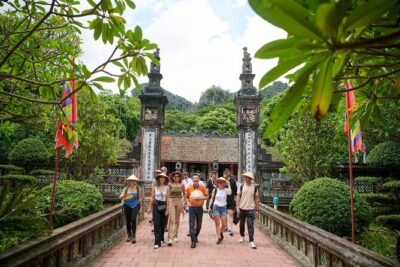
Ninh Binh Day Trip: Hoa Lu-Trang An/Tam Coc-Mua Cave-Cycling-Boat
Read our review →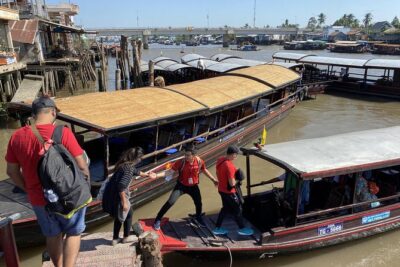
Cai Be Mekong Delta Tour: Cooking Class, Cycling & Craft Villages
Read our review →
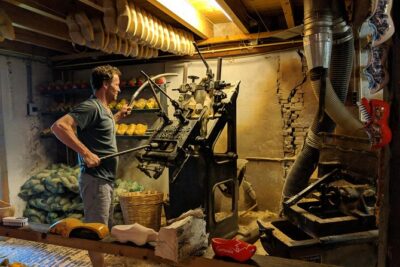
Countryside Bike Tour from Amsterdam: Cheese, Clogs & a Windmill
Read our review →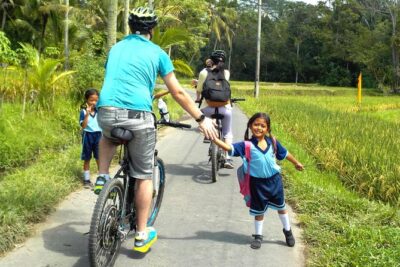
Electric Cycling Tour of Ubud with Free Hotel Transfer and Lunch
Read our review →

Browse the lists this tour appears in