
Review · TOKYO
Tokyo: West-Side Cycling and Food Tour with Guide
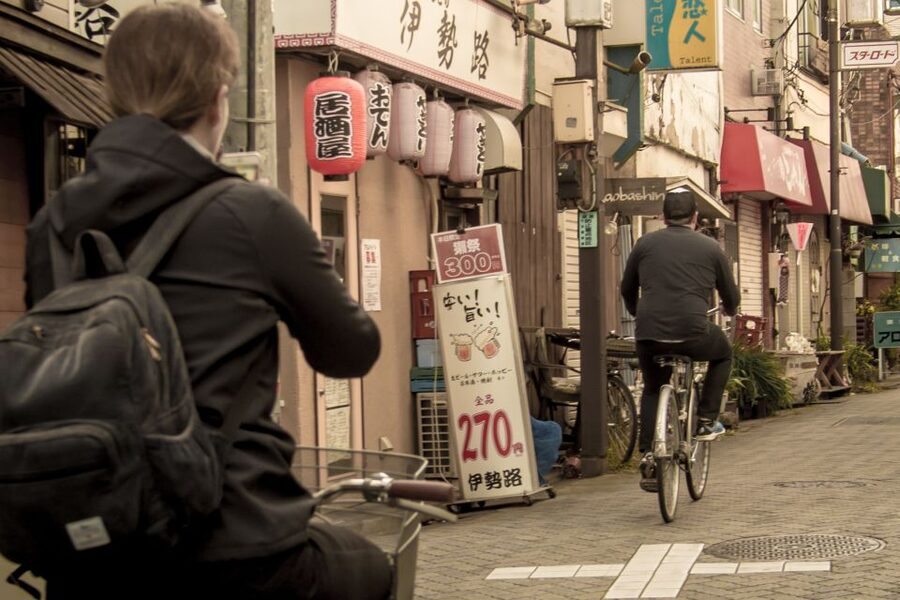
Tokyo’s west side is best understood at bicycle speed. On this 3.5-hour outing, you ride a slightly creaky but carefully maintained mamachari through Nakano, Koenji, and Asagaya, using back streets and riverside paths that most first-time visitors never see. I like the chance to watch ordinary Tokyo life unfold, and I like that guide Andy explains local customs rather than simply pointing at buildings. The main consideration is physical: you will cover about 7.5 to 9.5 miles on narrow streets, uneven surfaces, and occasionally crowded routes.
I also like the food plan. A simple local lunch, two street-food stops, and a bottled drink are included, so you can focus on the ride instead of checking your wallet at every stop. The tour is less suitable if you are vegan, have food allergies, or need a highly tailored menu.
Key points
- A real look at west Tokyo: Ride through Nakano, Koenji, and Asagaya, three local districts with a very different feel from the major sightseeing zones.
- Mamachari bicycles: Use the practical Japanese city bikes often seen in daily life, complete with front baskets and a style suited to short urban trips.
- Food built into the route: Enjoy a simple lunch, two popular street eats, and one bottled drink.
- Andy’s local perspective: The English-speaking guide explains Japanese habits, customs, food, shops, and everyday routines.
- A useful activity level: Expect 12 to 15 kilometers at a leisurely pace, but be ready for tight turns, narrow roads, and uneven ground.
- Good access from central Tokyo: Koenji Station is six minutes from Shinjuku by train and 18 minutes from Shibuya.
Why west Tokyo works better by bicycle
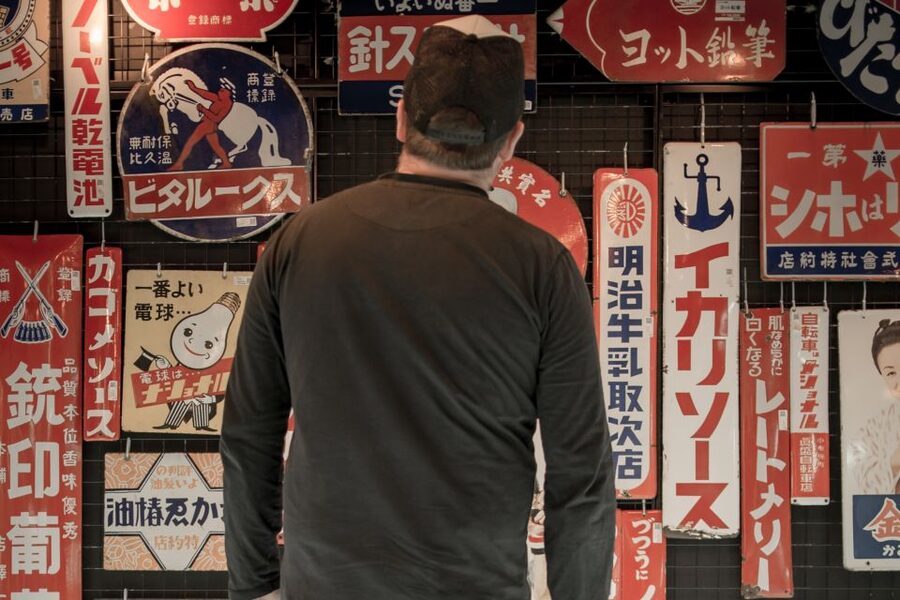
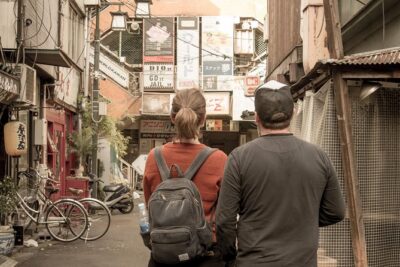
Central Tokyo can feel like a chain of major stations, department stores, and famous sights. The neighborhoods west of Shinjuku offer a different picture. Here, the appeal is not one grand monument. It is the rhythm of ordinary streets, small shops, local food counters, apartment lanes, riverside routes, and the practical systems that keep a huge city moving.
I like this tour because the bicycle gives you enough range to connect several districts in one outing. Walking would make the route slower and the distances more tiring. A taxi would get you there faster, but you would miss the small turns and sudden changes that give these areas their character.
The pace is leisurely, not athletic. You are not racing through Tokyo or training for a cycling event. Still, you need to be comfortable riding in traffic-free or low-traffic urban spaces, along narrow roads, and over uneven surfaces. The route covers roughly 12 to 15 kilometers, so this is an active half-day rather than a short sightseeing spin.
More food and market rides in Tokyo:
- Tokyo West-Side Cycling & Food Tour
★ 5.0 · 214 reviews - Amsterdam: Cheese Tasting, Windmill & Countryside Bike Tour
★ 4.7 · 386 reviews - Niagara-on-the-Lake Cycle and Wine-Tasting Tour with Optional Lunch
★ 5.0 · 283 reviews
Meeting Andy outside Koenji Station
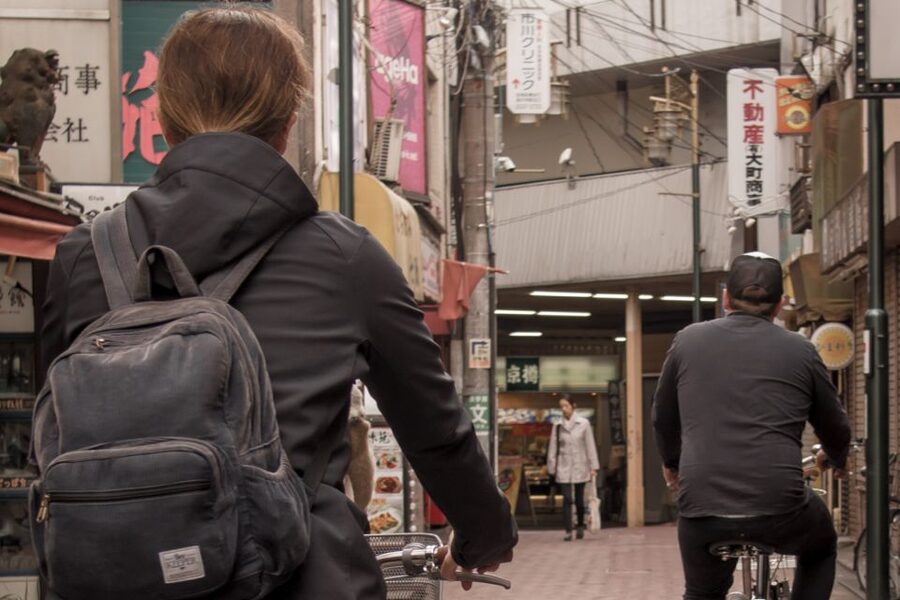
The tour starts directly outside the ticket gates at Koenji Station. You should arrive a few minutes early because the group leaves on time. The guide wears a baseball cap, making the meeting point easy to identify, but do not treat the start time casually. A late arrival could mean the group has already set off.
Koenji is easy to reach from central Tokyo. It is about six minutes from Shinjuku Station and about 18 minutes from Shibuya Station by train. That makes the tour practical for a morning or afternoon plan, especially if you are staying around Shinjuku, Shibuya, or another major JR station.
Andy is the guide named in the experience details. He is an Australian transplant with strong local knowledge and an easy sense of humor. His role is not just to lead the bikes. He explains Japanese habits, social customs, food, shops, architecture, bicycle parking, and the details of daily life that are easy to miss when you explore alone.
I would choose this outing early in a Tokyo stay if you want help understanding the city. It can give you a working sense of how local neighborhoods fit together, and Andy has also shared further recommendations with people after the ride.
Getting used to the mamachari bikes
You ride a mamachari, the practical Japanese bicycle often used for errands and family trips. These are not sleek road bikes. They are upright city bicycles, usually fitted with a front basket, and they are better suited to short urban travel than speed.
That matters in Tokyo. An upright bike gives you a clear view of the street, while the basket is useful for small personal items. The bicycles are described as salvaged but immaculately maintained, and the available feedback specifically praises their condition and ease of use, even in very narrow lanes.
You may notice some squeaks or creaks. That is part of the charm, but it also sets the right expectation. This is a local transport experience, not a premium cycling tour with performance equipment. The important point is that the bikes are kept in good working order.
Before setting off, make sure you are comfortable with the fit and controls. The minimum recommended height is 140 centimeters, or about 4 feet 7 inches. The activity is not suitable for children under 10, and anyone shorter than 140 centimeters should not book it.
Nakano, Koenji, and Asagaya at street level
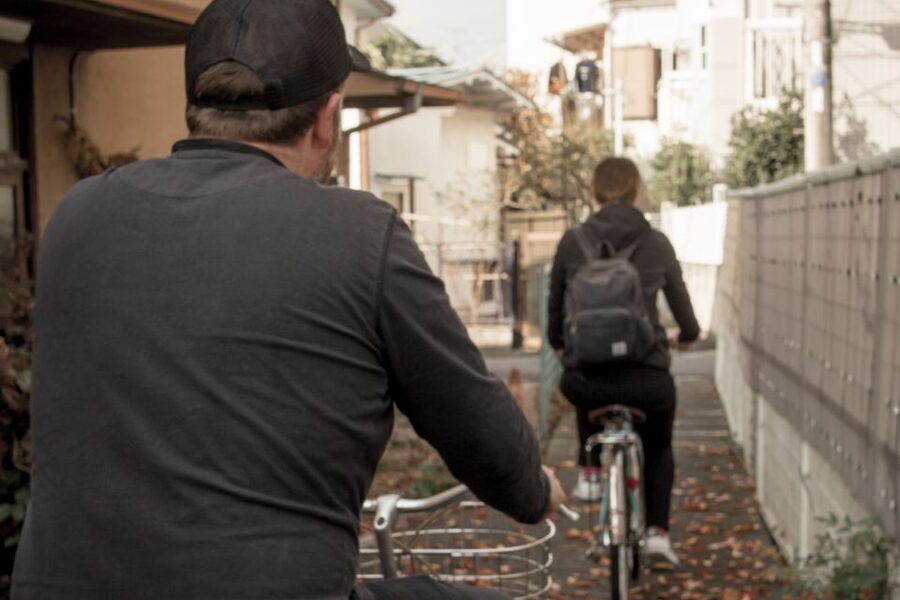
The route links Nakano, Koenji, and Asagaya, three west-side areas that reward wandering. You can expect a mixture of twisting residential lanes, neighborhood commercial streets, activity centers, riverside paths, and local food stops.
Nakano is a good place to see how Tokyo combines dense housing with small-scale commerce. Instead of sweeping city views, you get close-up details: compact buildings, narrow passages, shops serving local needs, and the careful use of limited space.
Koenji brings a different energy. It is known in the tour description as one of the main local neighborhoods on the route, and the ride uses its streets to show how people live, shop, and move around away from the big tourist circuits. You may find the turns sharper and the lanes tighter than expected. That keeps you alert, but it also lets the bicycle reach places a larger vehicle cannot.
Asagaya rounds out the route with another view of inner west Tokyo. The value here is comparison. By visiting several adjoining districts, you can see that Tokyo is not one uniform city. Each neighborhood has its own pace, commercial life, and feel.
The guide also points out local architectural features and neighborhood attractions along the way. Details are not provided for every stop, so you should not expect a fixed list of landmark buildings. The focus is on what you encounter while moving through the districts.
More food and drink tours in Tokyo:
- Prague Cycle Boat – The Swimming Beer Bike
★ 5.0 · 179 reviews - Prague: Swimming Beer Bike on A Cycle Boat
★ 4.6 · 151 reviews - The Grape Escape! Cycling in Beautiful Scenery with Wine Tasting
★ 5.0 · 85 reviews - Guided Healdsburg Wine Country Bike and Wine Tasting Tour with lunch
★ 5.0 · 81 reviews
What the cycling actually feels like
This ride requires more attention than a relaxed cycle path outing. You may share space with pedestrians, negotiate tight bends, and travel over uneven surfaces. The route includes back streets and riverside paths, but it is still an urban ride.
I would describe the pace as manageable for a competent casual cyclist. You do not need advanced cycling skills, but you should already feel at ease braking, steering, and adjusting your speed in a crowded city setting. If you have not ridden a bicycle in years, this may not be the best way to restart.
The distance is the main physical consideration. Seven and a half to nine and a half miles can pass quickly on a bicycle, yet the stop-and-go nature of city riding can be tiring. Comfortable clothing and shoes will help. You should also be prepared for weather. The tour is an outdoor activity and generally proceeds in rain, so you may get wet.
A small garbage bag and hand sanitizer or tissues are listed among the recommended items. Bring identification or a passport as well. One bottled drink is included, but you may want to carry additional water if the weather is warm.
Bicycle parking as part of the lesson
One of the more unusual features is the chance to see Tokyo’s bicycle parking systems. In a city with limited space, parking a bicycle is not a casual matter. The tour includes bicycle parking fees, and the guide uses this practical detail to explain part of the local cycling culture.
That may sound minor, but I think it is one of the most useful parts of the experience. Visitors often notice Tokyo’s trains, vending machines, and convenience stores. Bicycle storage is less obvious, yet it reveals how carefully the city manages shared public space.
You are not simply using a bicycle to get from one food stop to another. You are seeing how residents incorporate bicycles into daily routines, where they leave them, and why urban movement in Tokyo follows certain rules.
Lunch at a local counter
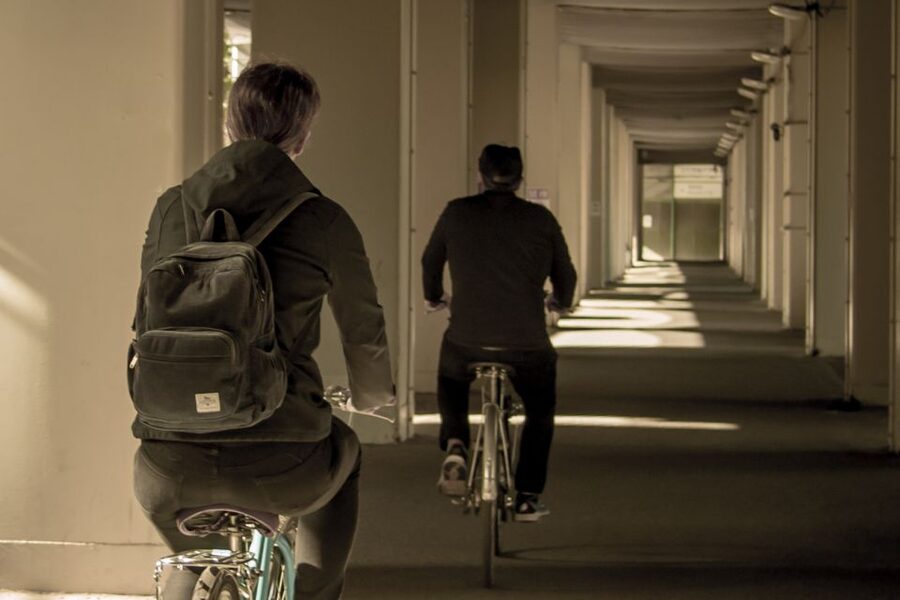
The food stops are designed to keep the ride moving while giving you a taste of everyday eating. The included lunch is simple and local rather than a long restaurant meal. The route places you alongside hungry office workers and other local diners, with the possibility of eating at a compact noodle counter.
That setting is part of the appeal. A small counter meal can show you more about daily Tokyo than a polished restaurant chosen for international visitors. You may need to share limited counter space and eat at a quicker pace than you would during a long dinner.
The tradeoff is choice. The experience does not cater to personal tastes, dietary requirements, or allergies. Vegans and people with food allergies should not book this outing. If you are simply a picky eater, you should also think carefully before paying, since the food is selected as part of the route rather than ordered entirely to your preferences.
Two street foods and a bottled drink
Along with lunch, you receive two popular street-food items and one bottled drink. The exact food selection can vary, so you should approach it as a small tasting of ordinary Japanese snacks rather than a formal food tour with a fixed menu.
The stops add useful variety. Lunch shows you how a local meal can work in a compact setting. The street foods offer quicker, more casual tastes. Together, they break up the cycling and give you reasons to pause in the neighborhoods rather than simply pass through them.
The bottled drink is also a small but helpful inclusion. Tokyo’s drink vending machines can be confusing when you do not read Japanese, and Andy can help explain what you are looking at. If you have ever stood in front of a vending machine trying to guess the difference between unfamiliar bottles, this is a practical bit of local orientation.
The guide makes the difference
Andy’s contribution is central to the tour. The route alone would be pleasant, but the explanations give the ride its purpose. He talks about Japanese culture, food, customs, and everyday behavior, and he answers questions along the way.
The available feedback repeatedly highlights his friendly manner, humor, patience, and ability to make local details understandable. One particularly useful quality is his willingness to answer unusual questions without making you feel awkward. That helps if you want more than a list of facts.
His background as an Australian living in Japan may also suit English-speaking visitors who want cultural explanations in clear, conversational English. He can act as a bridge between familiar assumptions and Japanese routines without turning the tour into a lecture.
Group size matters here. Private or small-group options are available, and a smaller group should make it easier to ask questions and keep the bikes together. The exact group size depends on the booking option, so check that detail before reserving.
Is $110 good value?
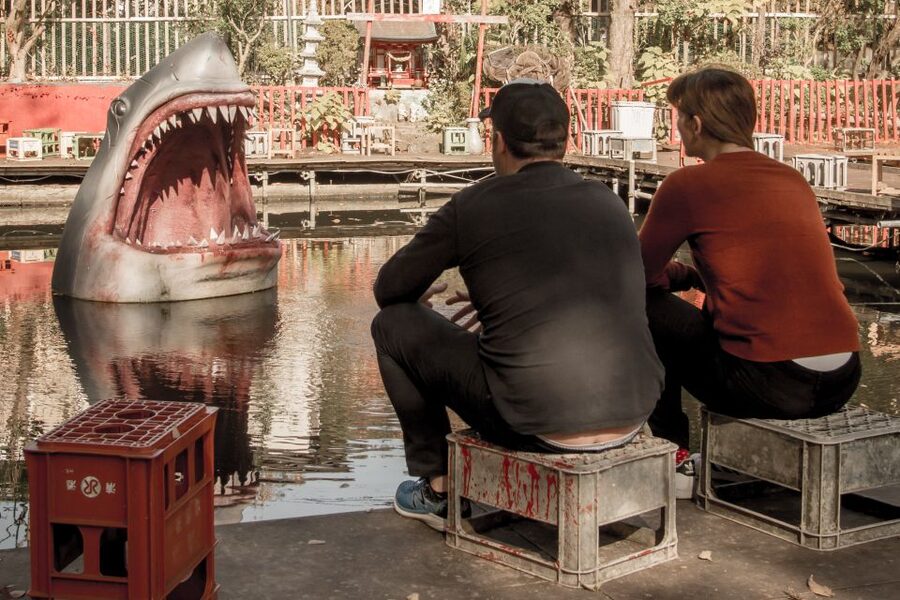
The price is $110 per person. That is not the cheapest way to spend half a day in Tokyo, but it covers more than bicycle use. You receive about three and a half hours with an English-speaking local guide, a bicycle, bicycle parking fees, cycling liability insurance, lunch, two street foods, and a bottled drink.
I see the main value in access and interpretation. You could rent a bicycle and ride west from central Tokyo, but you would need to plan a safe route, find suitable parking, choose food stops, and understand where cycling is practical. You would also miss Andy’s explanations of local customs and neighborhood life.
The tour is a better buy for first-time visitors who want structure and cultural context. If you already know Nakano, Koenji, and Asagaya well, or prefer to set your own route and eat wherever you like, the fixed format may feel less worthwhile.
Free cancellation is available up to 24 hours before the start, and you can reserve now and pay later. Those policies add flexibility, especially if your Tokyo schedule is still changing.
Who should book this ride?
I would recommend it to an active adult or older child who can ride confidently in city conditions and wants to see Tokyo beyond the major sightseeing areas. It is especially useful for people who enjoy food, neighborhood details, and conversations about how a city works.
It suits you if you like:
- Small local eateries more than formal dining
- Practical cultural explanations
- Exploring several districts in one outing
- A relaxed but active schedule
- Small groups or private guiding
- Seeing Tokyo through ordinary routines
I would not choose it if you want famous landmarks, a polished road bike, a fully custom food menu, or a dry-weather guarantee. Rain can affect the outing, and the route still requires steady cycling over a fairly long distance.
Should you book the West-Side Cycling and Food Tour?
Book it if you want an informed introduction to Nakano, Koenji, and Asagaya and feel comfortable riding 12 to 15 kilometers through city streets. The strongest reasons to go are Andy’s explanations, the well-kept mamachari bikes, and the chance to combine local food with a close look at everyday Tokyo.
Skip it if you have food allergies, follow a vegan diet, dislike cycling in narrow lanes, or need a predictable menu. For everyone else, this is a useful way to spend half a day away from the standard Tokyo route, with enough structure to make the city feel easier to understand afterward.
FAQ
Where does the cycling and food tour begin?
It begins outside the ticket gates at Koenji Station on the JR Train Network. The guide waits there five minutes before the scheduled start and wears a baseball cap.
How long does the experience last?
The tour lasts 210 minutes, or about three and a half hours.
Which Tokyo neighborhoods does the route visit?
The route explores Nakano, Koenji, and Asagaya, including back streets, riverside paths, and local activity areas.
How far do I need to cycle?
You should expect to ride roughly 7.5 to 9.5 miles, or 12 to 15 kilometers, at a leisurely pace.
What food and drinks are included?
The price includes a simple local lunch, two popular street-food items, and one bottled drink.
Is the tour suitable for vegans or people with food allergies?
No. The experience does not cater to vegan diets, food allergies, or other personal dietary requirements.
Can children join the tour?
Children under 10 are not suitable for this experience. Riders should also be at least 140 centimeters, or about 4 feet 7 inches, tall.
Does the tour operate in the rain?
The activity generally proceeds in rainy weather, so you should be prepared to get wet. It is an outdoor experience and may be affected by weather conditions.
More Food in Tokyo
- Eat, Drink & Cycle: Osaka Foodie Bike Tour
★ 5.0 · 224 reviews - Bangkok by Night Cycling Tour with Street-food Meal
★ 4.9 · 57 reviews - Taste of Korcula by Bike Tour | Korcula Wine & Food Tasting
★ 5.0 · 33 reviews - Half-Day Food Tour with Cycle Rickshaw ride to Masterji Kee Haveli
★ 5.0 · 31 reviews
Just added around Tokyo
- Tokyo Non-Touristy Local Private E-bike Cycling Tour from Asakusa★ 5.0 · 2 reviews
- Tokyo Night Bike Tour: From Shibuya to Tokyo Tower via Roppongi★ 5.0 · 29 reviews
- 2.5 Hour-Guided Cycle Tour in the Central Tokyo★ 5.0 · 25 reviews
- Little Adventure with Cycling in Tokyo No. 1 Crystal Clear River★ 5.0 · 6 reviews
- Tokyo’s hidden nature cycling tour – Okutama Historical Road Tour★ 5.0 · 6 reviews
- MTB, Hybrid or Gravel Road Bike Rental in Okutama, Tokyo★ 5.0 · 2 reviews
- Tokyo: Private Cycling Tour with cute E-bike★ 5.0 · 11 reviews
- Tokyo: Super Local Private E-bike Cycling Tour from Asakusa★ 5.0 · 4 reviews
Food & Market Bike Tours, compared.

Cheese Tasting, Windmill & Countryside Bike Tour
Read our review →
Niagara-on-the-Lake Cycle and Wine-Tasting Tour with Optional Lunch
Read our review →
2-Day Mekong Delta Floating Market with Cooking & Bike Ride
Read our review →
The Grape Escape! Cycling in Beautiful Scenery with Wine Tasting
Read our review →
Guided Healdsburg Wine Country Bike and Wine Tasting Tour with lunch
Read our review →
Korcula Bike & Wine Tour | Wine Tasting in Lumbarda
Read our review →Browse the lists this tour appears in