Review · CYCLING TOURS
From La Paz: The World’s Most Dangerous Road Biking Tour
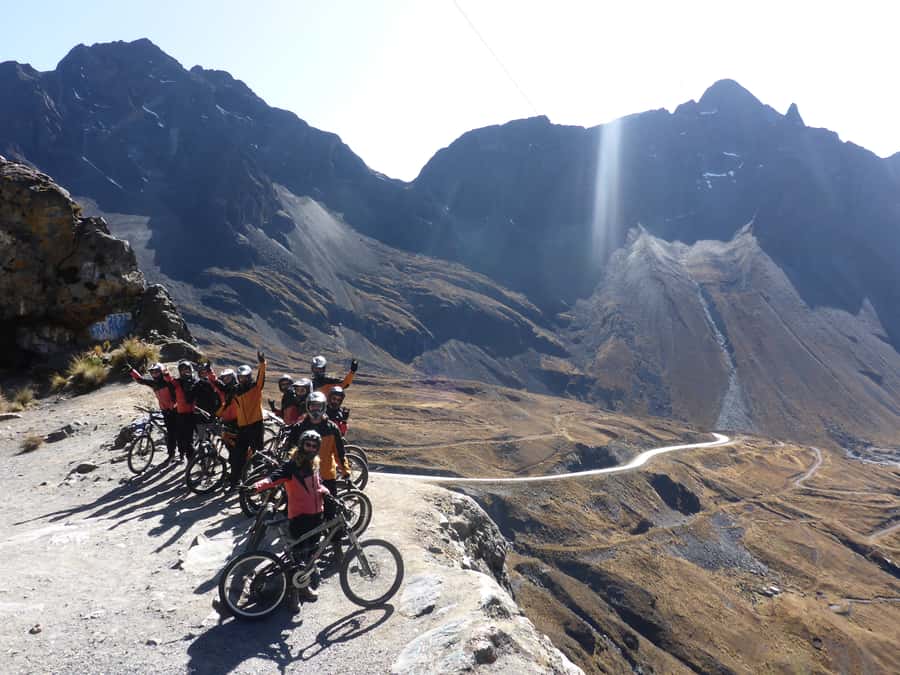
Bolivia’s Death Road is not just a bike ride. It is a full-day change of world, starting among snow-covered peaks at 4,700 meters and ending in hot, green country near the Amazon at 1,200 meters. Most of the route runs downhill, but the narrow dirt road, wet rocks, mist, and drop-offs demand your full attention.
I like two things right away: the tour gives you a proper paved-road warm-up before the rougher section, and the guides keep checking bikes, brakes, and riders throughout the day. The included full-face helmet, pads, gloves, water, snacks, photos, and buffet lunch also make the $129 price easier to justify.
The main consideration is simple: this is an active day, not a sightseeing bus trip. You need to ride a bike confidently, handle changing weather, and accept that the return to La Paz takes about three hours. The old van or bus may also feel less polished than the biking equipment.
Key points at a glance
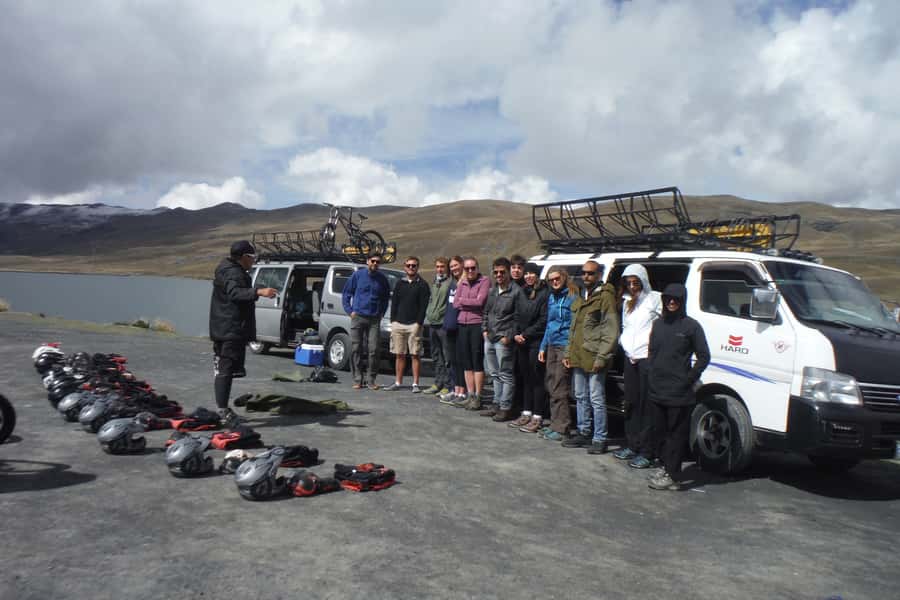
- 64 kilometers of mostly downhill riding: Start in cold high-altitude air and finish in hot Yolosita.
- Two very different road sections: The paved opening helps you get comfortable before the true Death Road begins at Chuspipata.
- Strong safety support: Bilingual guides, first-aid training, mechanics, support transport, full-face helmets, and protective pads are included.
- A wet and messy finish: Expect mist, waterfalls, tiny rivers, mud, and a big temperature change.
- Comfort after the ride: Buffet lunch, showers, a swimming pool, and time to relax are part of the day.
- Good guide names to know: Freddy, Victor, Javier, Eddy, Chris, Maury, and other Vertigo guides have been praised for calm instructions, bike care, and patient support.
From La Cumbre’s snow to the Death Road
Your day begins at the Vertigo Biking office, where the company bus should be parked outside. The drive to the high starting point takes about 45 minutes, giving you time to leave La Paz behind and climb toward Cristo de la Cumbre.
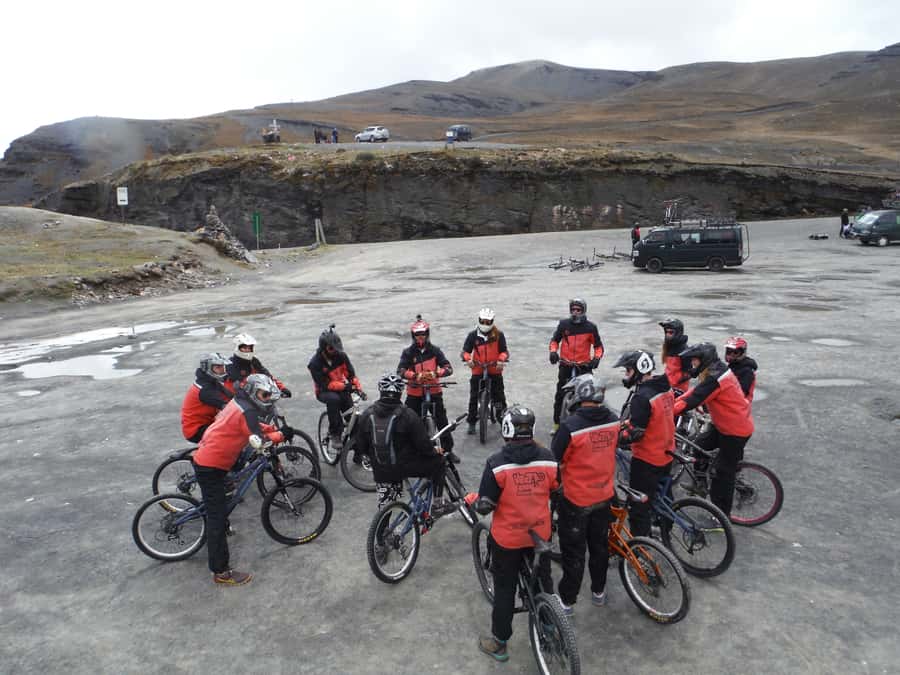
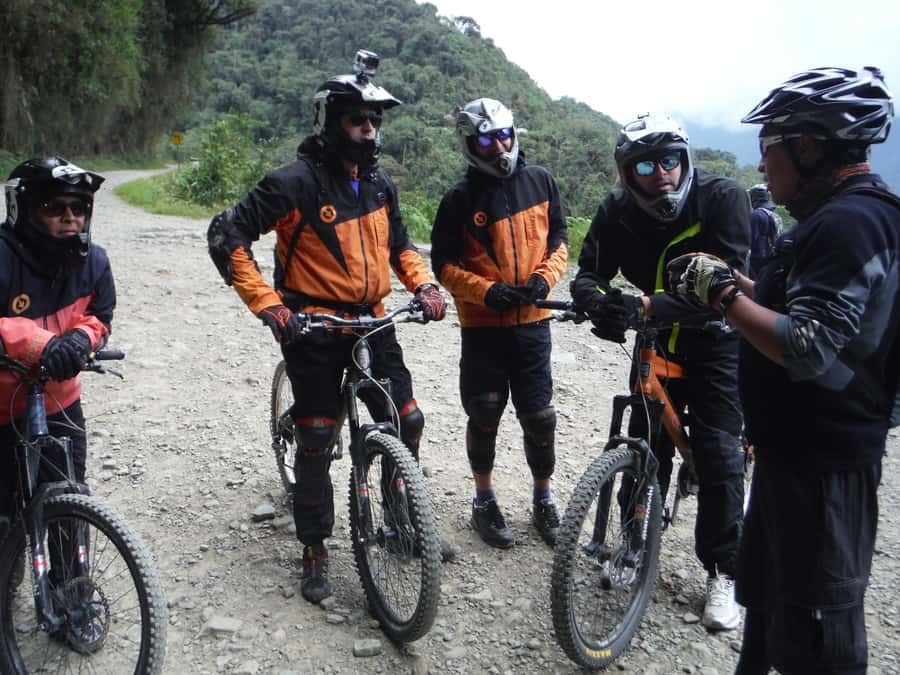
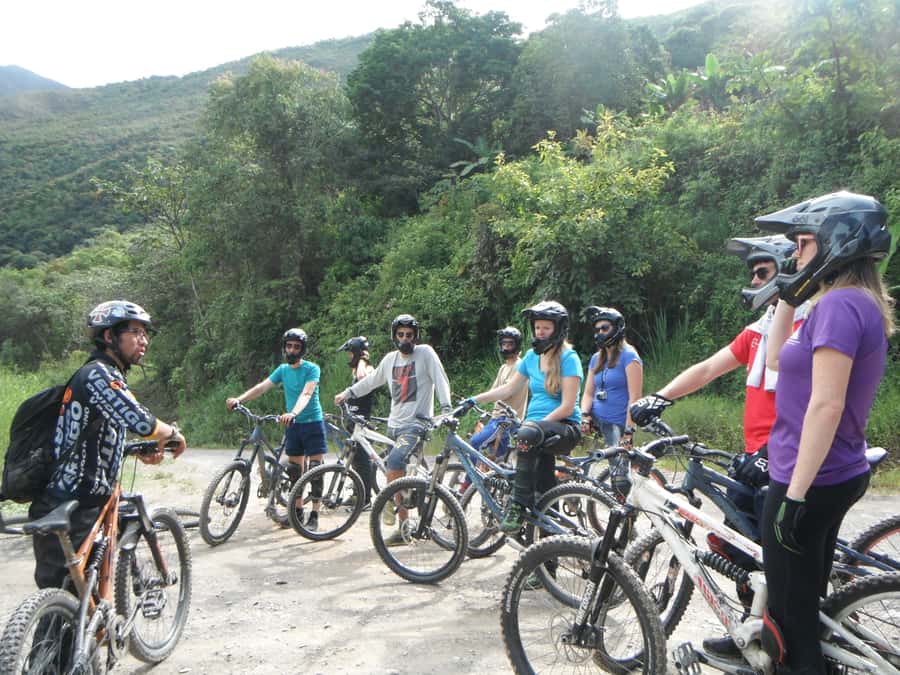
At 4,700 meters, the air is cold and thin. Bring warm clothing even if La Paz feels mild. This is also where you get the safety briefing, which lasts about 30 minutes. The guides explain how to handle the bike, where to ride, how to approach corners, and what to expect as the road changes.
That briefing matters. You are not simply handed a bicycle and sent downhill. The staff checks the bikes and gives you a chance to ask questions before the ride begins. Guides such as Victor and Freddy have received repeated praise for staying alert, explaining each stage clearly, and helping riders who feel nervous.
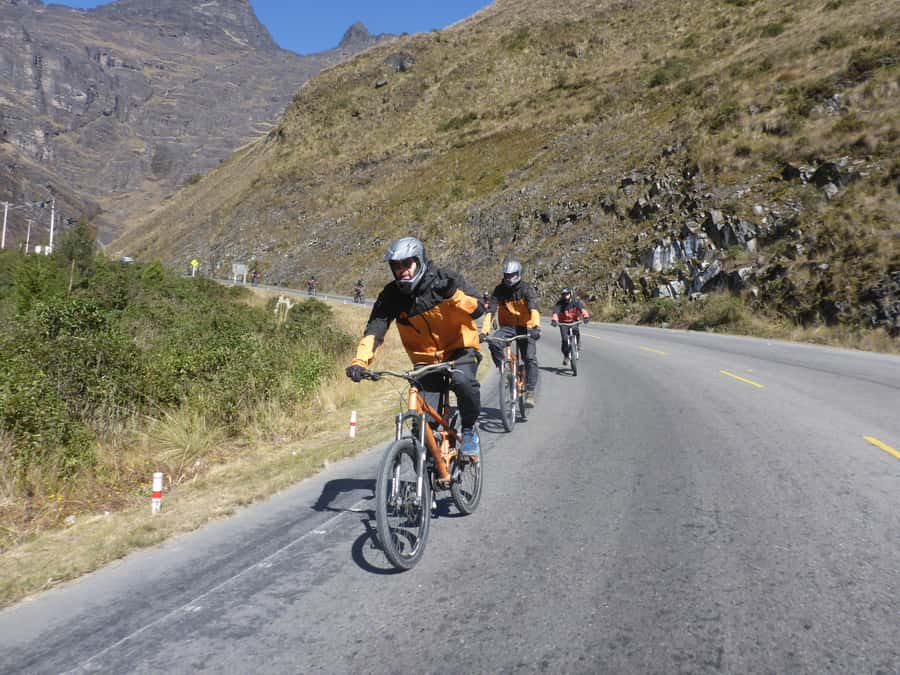
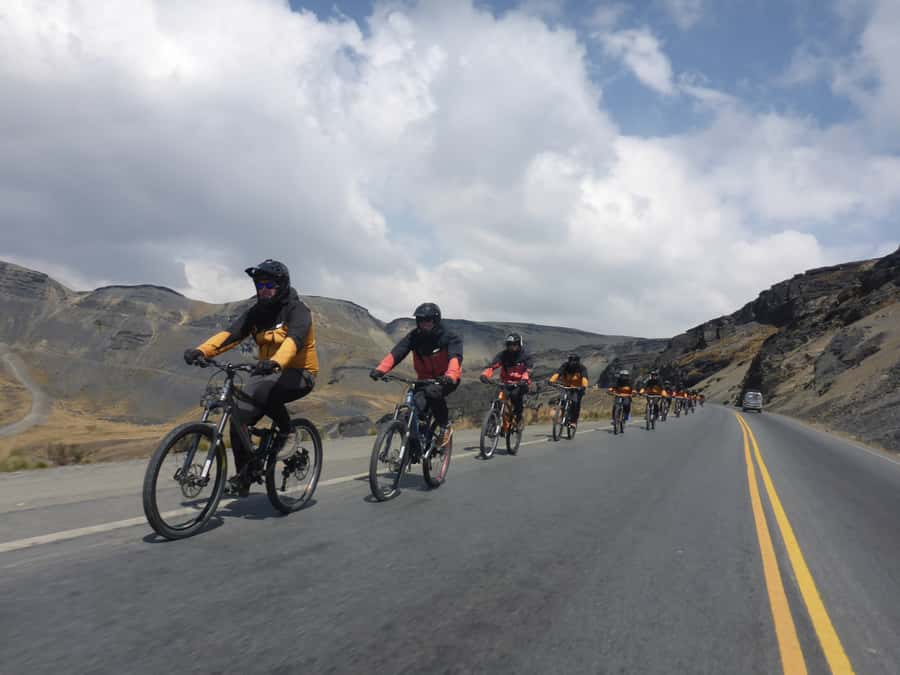
The first section is on paved road. It is still a long descent, but the smoother surface lets you learn how the full-suspension downhill bike responds. You pass small villages and stop often for photographs, bike checks, and further instructions.
I like this gradual start. It gives you time to settle into the saddle before the route becomes rough and narrow. You can also discover how much speed feels comfortable. Some riders want to move quickly on open stretches, while others need a slower pace. The guides allow room for both, within the limits of safety.
A few more rides around the world worth a look
- Ninh Binh Day Trip: Hoa Lu-Trang An/Tam Coc-Mua Cave-Cycling-Boat
★ 5.0 · 1,886 reviews - Cai Be Mekong Delta Tour: Cooking Class, Cycling & Craft Villages
★ 5.0 · 1,881 reviews - The Grand Bicycle Tour by Cycle City Tours
★ 5.0 · 1,827 reviews
Chuspipata marks the real start
After about an hour of riding, you leave the paved road and take the bus for roughly 15 minutes. The next stop is Chuspipata, the beginning of the actual Death Road section.
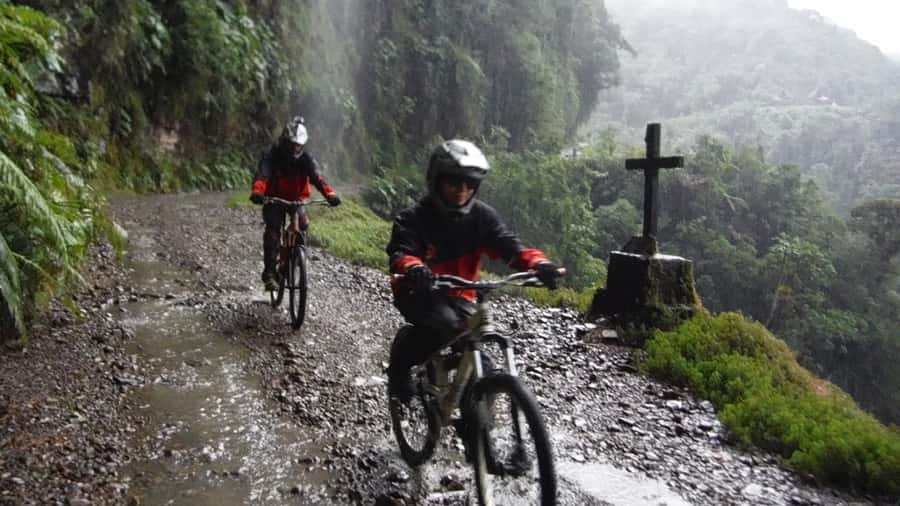
The setting changes quickly. Trees and thick vegetation replace the stark high-altitude surroundings. Mist and low cloud can hang over the road, and the dirt surface feels more uneven under your tires. The temperature begins to rise as you lose altitude.
This section lasts about four hours, including breaks, photo stops, safety reminders, and guided riding. The total distance is 64 kilometers, so this is not a short photo opportunity with a little pedaling added on. You spend much of the day moving downhill, but the road still asks for control.
The full-suspension bikes with hydraulic disc brakes are important here. You do not need a brand-new racing machine for a descent like this, but working brakes and suspension matter far more than shiny paint. One useful point from the experience is that the bikes may not look completely new, yet their core equipment is suited to the job.
You also receive a full-face helmet, jacket, pants, elbow pads, knee pads, and gloves. This protective kit adds bulk, but you will appreciate it when the road is wet or when loose stones make the ride less predictable. Sunglasses help with glare, dust, and spray, while sunscreen remains useful even under cloud.
Waterfalls, mist, and a warm-country finish
The Death Road section is memorable because the climate changes while you ride. At the top, you are cold and bundled up. Lower down, the air becomes warmer and more humid. By the time you reach Yolosita, you may be hot, muddy, and ready for a shower.
Small waterfalls cross the road, and tiny rivers run over or beside the track. You should expect to get wet. Pack swimwear and a full change of clothes, not just a spare T-shirt. Insect repellent is also sensible for the warmer lower section.
The scenery is a major reason to choose this tour, but it is not scenery you can watch casually from a coach window. You need to keep your eyes on the road, especially around wet patches and rough ground. The guides stop for photographs and short rests, giving you safe moments to look around.
Photos and short videos from the day are uploaded to Dropbox. That is useful because you will not always want to take out your phone while riding. The guides also take pictures during breaks, so you can enjoy the route without trying to document every bend yourself.
The route includes a viewpoint stop of about 15 minutes and a traditional village stop of around 30 minutes. These pauses break up the long descent and add context to the setting. They also give you time to stretch, drink water, and check your clothing before the final run.
How the guides shape the day
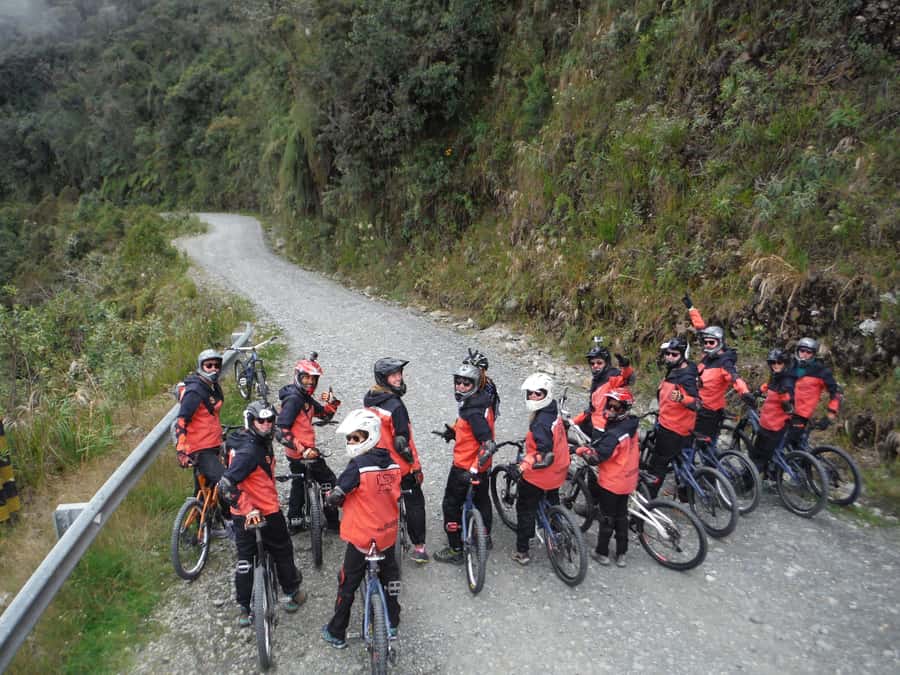
The best part of a demanding activity is often the support around it. Vertigo Biking provides English and Spanish-speaking guides, along with qualified mechanics and a support vehicle. Guides are first-aid trained, and the bikes are checked before and during the ride.
The names that come up often in the praise for this operation include Victor, Freddy, Javier, Eddy, Chris, and Maury. Victor is described as a strong mountain biker with fluent English and an easy way of explaining local life and culture. Freddy is also associated with careful driving and calm support on the road.
Javier and Eddy have been praised for giving riders space to enjoy the downhill when conditions allow. That does not mean you should treat the road like a race track. It means the group can have some freedom while still receiving guidance and assistance.
The guides also seem well suited to mixed groups. One rider may be eager to go fast, while another may be fighting nerves on every corner. Patient guidance can make the difference between enjoying the day and spending it tense and frustrated.
Still, no guide can remove the need for caution. You remain responsible for controlling your speed and following instructions. If you are not comfortable riding a bicycle, this is the wrong outing.
Same roads, a different day in the saddle:
- Countryside Bike Tour from Amsterdam: Cheese, Clogs & a Windmill
★ 5.0 · 1,485 reviews - Electric Cycling Tour of Ubud with Free Hotel Transfer and Lunch
★ 5.0 · 1,397 reviews - Epic Electric Bike Tour by Cycle City Tours
★ 5.0 · 848 reviews - Tokyo Great Cycling Tour
★ 5.0 · 811 reviews
Lunch, showers, and the pool at the end
After the final stretch, the group travels by bus for about 20 minutes to a local restaurant and hotel or resort. You have around 105 minutes for lunch and time at the property.
The buffet meal is included, as are unlimited water and snacks along the route. That is a practical benefit, since long downhill rides still take energy and concentration. You should carry cash for anything extra and for the Death Road tax, which is 50 bolivianos.
The finishing hotel has showers and a swimming pool. This is more than a small luxury. After hours of cold air, dust, spray, mud, and warm lowland weather, a shower changes the whole mood of the day. Bring swimwear if you want to use the pool, and keep dry clothes accessible rather than buried at the bottom of your bag.
The pool time also gives you a chance to unwind before the long return drive. You are not rushed straight from the bicycle into a cramped seat for the journey back. Even so, the ride to Vertigo Biking in La Paz takes about three hours, so the full day is a long one.
Is $129 a fair price?
At $129 per person, this is not the cheapest way to see the Death Road. The value depends on what you would otherwise need to arrange yourself.
The price includes private transportation, a full-suspension downhill bike, hydraulic brakes, protective clothing, helmet, gloves, pads, guides, snacks, unlimited water, buffet lunch, photos, videos, showers, and pool access. It also includes the staff support that would be hard to reproduce independently.
You still pay the 50-boliviano Death Road tax, and the zipline is an optional extra available on the day. Those costs are small compared with the total tour price, but you should carry cash and budget for them.
I see the strongest value in the safety equipment and support. A bicycle rental alone would not give you a support vehicle, mechanics, first-aid-trained guides, transport up to La Cumbre, or a meal and shower at the finish. If you want a simple, self-guided ride, this is more than you need. If you want the entire day organized, the price is reasonable.
What to bring for a comfortable ride
The operator provides most of the technical equipment, but your personal packing choices still matter. I would bring:
- Warm layers for the 4,700-meter start
- Sunglasses and sunscreen
- Insect repellent
- Swimwear
- A complete change of clothes
- A small daypack
- Cash for the tax and optional zipline
- Your passport, ID card, or a copy
Wear clothing you do not mind getting dirty. The route passes through mist, water, and mud, and the lower section can feel hot. A daypack should be small enough not to interfere with your riding or protective gear.
The minimum height is 155 centimeters. The tour is not suitable for pregnant women, wheelchair users, people with mobility impairments, or anyone who cannot ride a bike. It leaves with at least two participants, so check that a group is confirmed for your date before relying on it as a fixed part of your Bolivia plans.
Free cancellation is available up to 24 hours ahead for a full refund, and you can reserve now and pay later. Those terms are useful when weather or a changing La Paz schedule makes planning uncertain.
Who should book this Death Road tour?
You should consider it if you want an active day with major changes in scenery and temperature, rather than another city excursion. It suits confident cyclists who can brake, steer, and stay focused on an uneven road for several hours.
It is also a good fit if you value practical support. You get English or Spanish guidance, regular stops, bike checks, protective kit, food, and transport. Beginners who can ride a bike may manage the route with patient instruction, but complete non-cyclists should not book it.
The tour is less suitable if you dislike getting wet, muddy, hot, or tired. It is also not ideal if you want a quiet scenic outing with lots of time for leisurely stops. The day has a clear rhythm: early departure, high-altitude briefing, long descent, lunch and pool time, then a lengthy ride back to La Paz.
Should you book it?
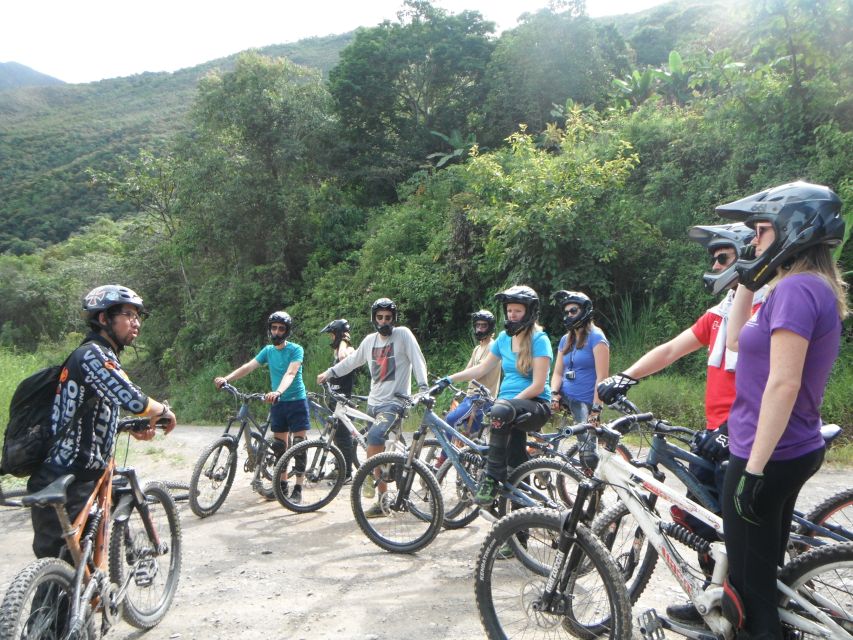
I would book this tour if you are comfortable on a bicycle and want one of Bolivia’s most unusual full-day experiences. The combination of a 4,700-meter start, a 1,200-meter finish, changing weather, waterfalls, dirt road, and warm-country recovery stop gives the day real variety.
Choose Vertigo Biking if reliable equipment, calm guides, and hands-on support matter to you. Ask for a confirmed departure, pack for both cold and heat, and do not treat the word downhill as meaning effortless.
Skip it if you cannot ride confidently or if you want a short activity close to La Paz. For the right rider, though, this is a serious but manageable adventure, with enough comfort at the end to make the mud and long return journey worthwhile.
FAQ
How long is the Death Road biking tour?
It lasts one full day. The cycling route covers 64 kilometers, and the day also includes transport between La Paz, La Cumbre, the riding sections, the lunch stop, and the return to Vertigo Biking.
Where does the tour start?
You meet at the Vertigo Biking office in La Paz. The tour bus should be parked directly outside the office.
How high is the starting point?
The ride begins at La Cumbre, near Cristo de la Cumbre, at approximately 4,700 meters.
Where does the ride finish?
The cycling ends at Yolosita, at about 1,200 meters. This is near the entrance to Bolivia’s Amazon region.
Is the tour conducted in English?
Yes. Live guides speak English and Spanish.
What equipment is included?
You receive a full-face helmet, pants, jacket, elbow and knee pads, mountain bike gloves, and a full-suspension downhill mountain bike with hydraulic disc brakes.
Are food and drinks included?
Yes. Snacks and unlimited water are provided during the ride, and a buffet lunch is included at the end.
Is the Death Road tax included?
No. The Death Road tax costs 50 bolivianos and is paid separately. The zipline is also optional and costs extra on the day.
What should I bring?
Bring warm clothing, sunglasses, swimwear, a change of clothes, sunscreen, insect repellent, cash, a daypack, and a passport or ID card. A copy of your passport or ID is accepted.
Just added around the world
- Yogyakarta: Countryside Cycling and Cooking Class Experience★ 4.9 · 8 reviews
- Zagreb: 2.5-Hour Cycle Back to Socialism Tour★ 4.6 · 25 reviews
- Zell: Bike and boat tour with wine tasting and picnic★ 4.7 · 3 reviews
- Yogyakarta: Countryside Village Cycling Tour With Guide★ 5.0 · 16 reviews
- Amsterdam: Zaanse Schans E-Bike Tour with Windmills & Cheese★ 4.5 · 12 reviews
- Yamaha Fat Bike Adventure: Valencia’s Past and Future★ 4.5 · 2 reviews
- World’s Most Dangerous Road “Private” Mountain Biking Trip★ 5.0 · 7 reviews
- Yangshuo: Highlights Karst landscapes & Village Cycling★ 5.0 · 4 reviews
Cycling Tours, compared.
Ninh Binh Day Trip: Hoa Lu-Trang An/Tam Coc-Mua Cave-Cycling-Boat
Read our review →
Cai Be Mekong Delta Tour: Cooking Class, Cycling & Craft Villages
Read our review →
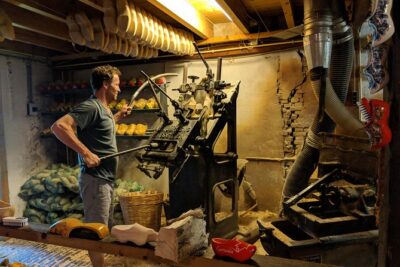
Countryside Bike Tour from Amsterdam: Cheese, Clogs & a Windmill
Read our review →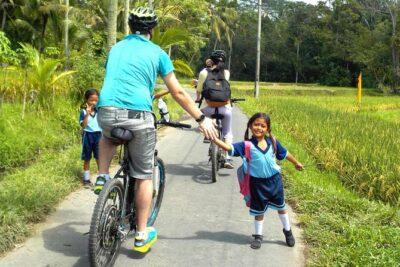
Electric Cycling Tour of Ubud with Free Hotel Transfer and Lunch
Read our review →