Review · CYCLING TOURS
Zagreb: 2.5-Hour Cycle Back to Socialism Tour
Zagreb changes quickly on this ride. One minute you are near grand Austro-Hungarian buildings and leafy squares; after crossing the Sava River, you are among broad avenues, postwar housing blocks, parks, and the modern city’s art scene. That shift is the real point of the tour.
I like the way this route shows everyday Zagreb, not just the postcard center. I also like the efficient use of a bicycle, which lets you cover New Zagreb without spending half the day walking between scattered sights. The main caution is that the quality of the historical explanation may depend on your guide, particularly if you want a detailed account of socialism or the 1990s war.
Key points at a glance
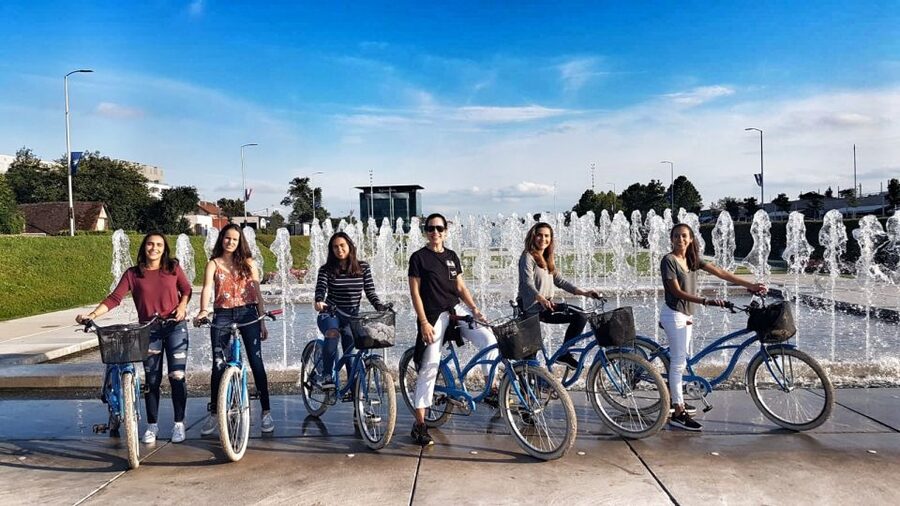
- A sharp change after the Sava: See old Zagreb give way to New Zagreb’s postwar districts.
- A history tour on two wheels: Learn how housing, society, and city planning changed after World War II.
- Bundek and contemporary art: Visit a peaceful lakeside park and the area around the Contemporary Art Museum.
- Useful citywide route: Cover the Lower Town, New Zagreb, and the Green Horseshoe in one outing.
- Family-friendly pace: Children and older adults can join, but the tour is not suitable for wheelchair users or people with mobility impairments.
- Flexible booking: The tour costs $57 per person, lasts 150 minutes to 3 hours, and allows cancellation up to 24 hours before departure.
Why this bicycle route shows more than central Zagreb
Most first visits to Zagreb focus on the Upper Town, the cathedral area, and the grand streets of the Lower Town. Those places matter, but they tell only part of the city’s story. This ride takes you beyond the historic core and shows where much of modern Zagreb was built and where many residents live today.
The central idea is simple: crossing the Sava changes the city. North of the river, you see older urban planning, formal squares, cultural institutions, and the orderly greenery of the Lower Town. South of it, New Zagreb reflects the post-World War II period, when large housing areas were built for a growing population.
That shift gives the tour more substance than a standard sightseeing ride. You are not just checking off monuments. You are looking at how a city responds to political change, population growth, and new ideas about housing.
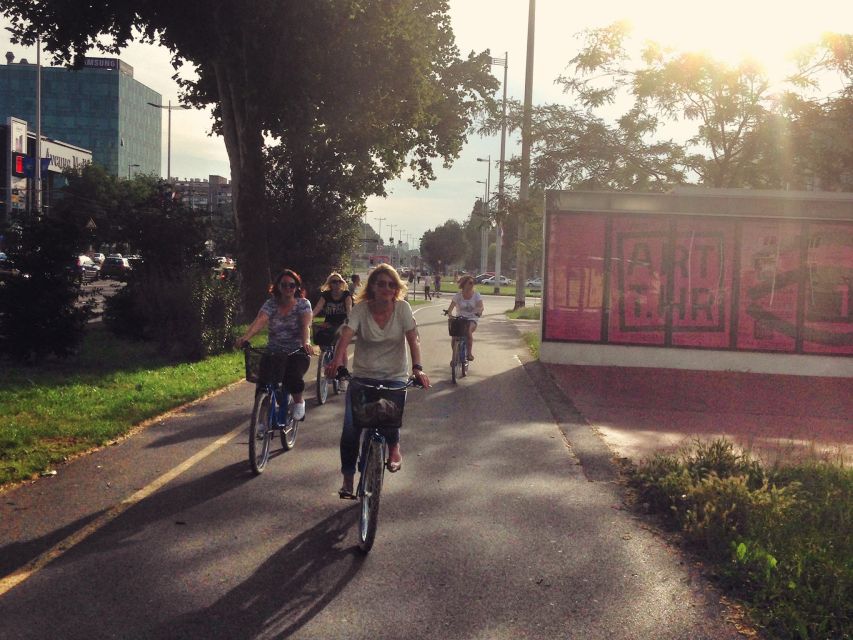
The bicycle also makes practical sense. New Zagreb is spread out, and the ride connects places that would be awkward to reach on foot. The route uses established cycling lanes in parts of the city, though you should still be comfortable riding in an urban setting.
A few more rides around the world worth a look
- Ninh Binh Day Trip: Hoa Lu-Trang An/Tam Coc-Mua Cave-Cycling-Boat
★ 5.0 · 1,886 reviews - Cai Be Mekong Delta Tour: Cooking Class, Cycling & Craft Villages
★ 5.0 · 1,881 reviews - The Grand Bicycle Tour by Cycle City Tours
★ 5.0 · 1,827 reviews
Starting at Ban Jelačić Square and entering the Lower Town
The meeting point is Blue Bike Zagreb at Trg bana Josipa Jelačića 15, Zagreb’s main square. The office is in an alley where the statue on the square points, so look carefully rather than searching for a large storefront in the middle of the plaza.
From here, the route heads toward the Lower Town. This opening section helps you get your bearings and places Zagreb’s later development in context. You begin among the city’s older public buildings and central streets before gradually moving into wider, greener areas.
The first scheduled stop is the Croatian National Theatre, reached after about 30 minutes of cycling. The building gives the ride an elegant start, but the larger value is the transition around it. The Lower Town is known for its organized streets and public institutions, and this portion shows the city at its most formal.
You may spend part of this stretch strolling with the bicycle rather than riding continuously. That is useful if you want to hear the guide clearly, though it means the advertised 150 minutes can stretch closer to three hours depending on the pace and stops.
The Green Horseshoe and Zagreb’s civic heart
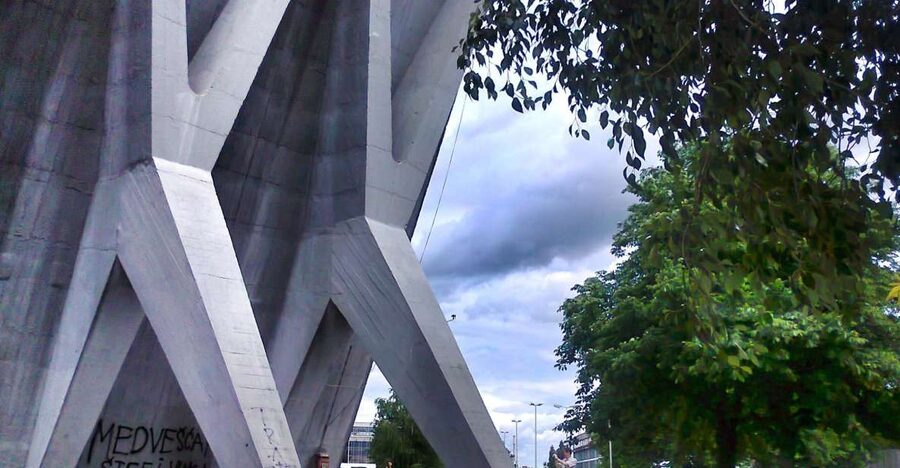
The ride continues through the Green Horseshoe, a connected series of parks and open spaces in the Lower Town. This is one of Zagreb’s most pleasant urban features, linking cultural buildings and squares with lawns, trees, and walking paths.
The Croatian State Archives is another scheduled stop, with roughly 15 minutes of cycling assigned to this part of the route. It is a good place to consider how Zagreb’s public institutions fit into the city’s wider story. The tour does not treat the center as an isolated old town. Instead, it uses the archives, theater, parks, and squares to show how the capital organized civic life.
The guide’s presentation matters here. Several English-language tours have been praised for clear historical explanations and friendly conversation. Roza and Ilona are two guides specifically praised in past bookings, though you should not assume either will lead your departure.
Crossing the Sava into New Zagreb
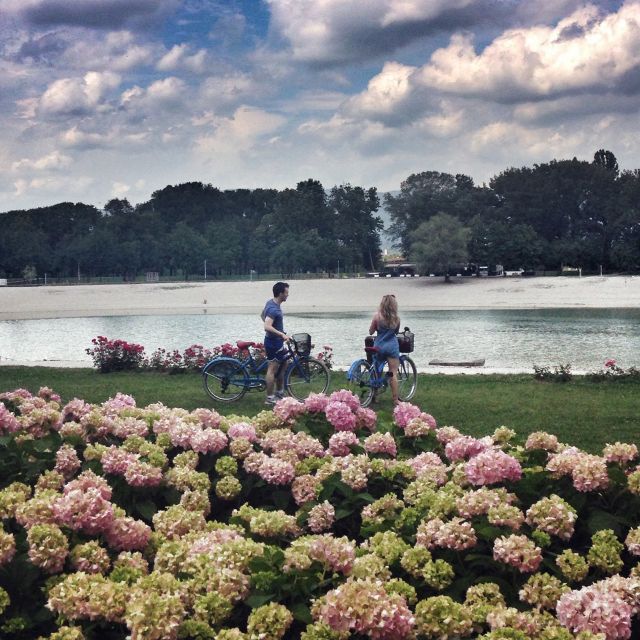
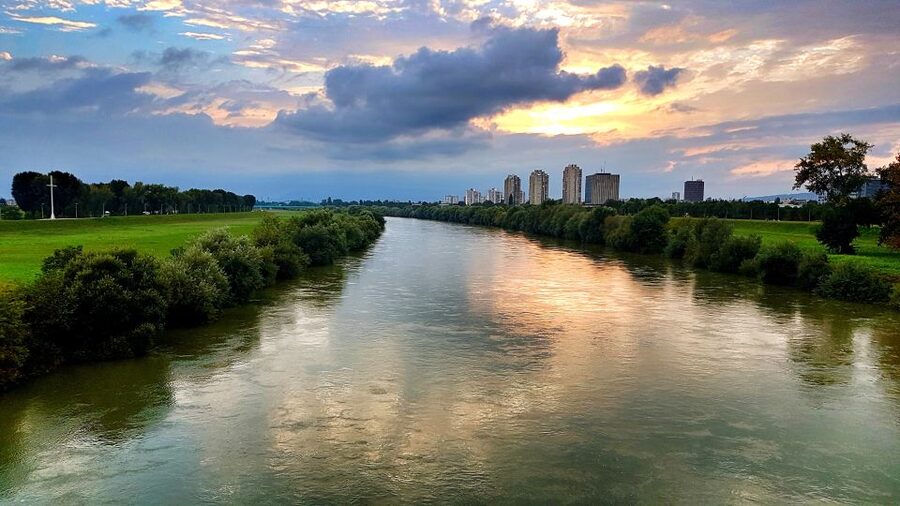
The Sava River is the tour’s main dividing line. After crossing it, the setting changes with surprising speed. The route enters New Zagreb, the part of the city most closely associated with postwar development and the socialist period.
This is where the tour earns its title. You see the housing districts created after World War II and learn how society and the urban plan changed during the communist era. The subject is not treated only as political history. It is also about ordinary housing, public space, and the practical shape of daily life.
The broad avenues and large residential areas may feel less picturesque than the old center. That is not a flaw in the route. The point is to see a functioning part of Zagreb, not a cleaned-up historic quarter designed only for sightseeing.
The experience is strongest when the guide connects buildings and districts to people’s lives. You may hear how the social system affected housing and how New Zagreb continues to serve as a major residential area today. One important caution comes from the tour’s mixed feedback: one past booking found the explanation of socialist Zagreb and the 1990s war too brief and inaccurate. If those subjects are your main reason for booking, keep your expectations measured and ask questions along the way.
Same roads, a different day in the saddle:
- Countryside Bike Tour from Amsterdam: Cheese, Clogs & a Windmill
★ 5.0 · 1,485 reviews - Electric Cycling Tour of Ubud with Free Hotel Transfer and Lunch
★ 5.0 · 1,397 reviews - Epic Electric Bike Tour by Cycle City Tours
★ 5.0 · 848 reviews - Tokyo Great Cycling Tour
★ 5.0 · 811 reviews
Zagreb Fair and the city after World War II
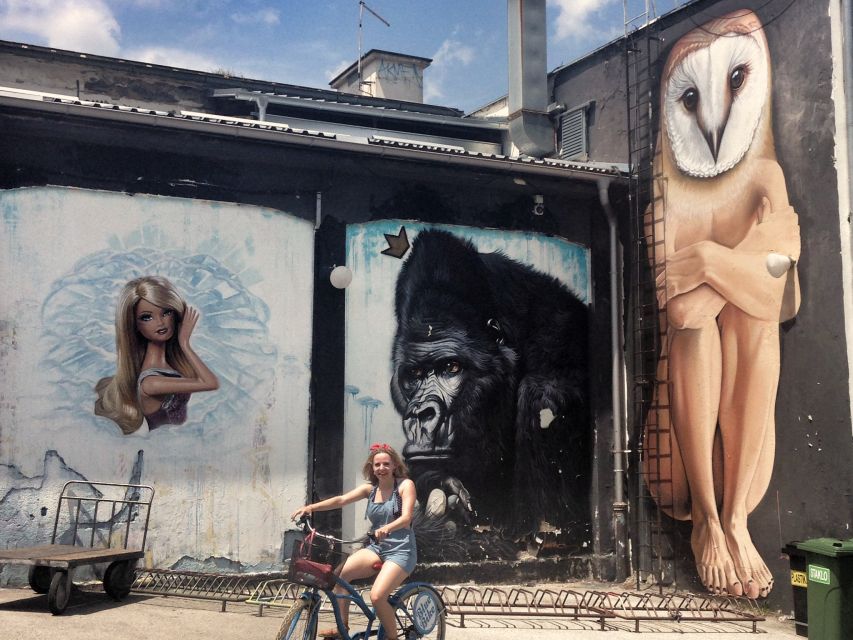
The route reaches Zagreb Fair after about 20 minutes of cycling. This area helps explain the city’s expansion in the postwar years and the role of New Zagreb as more than a collection of apartment blocks.
The fairgrounds also fit the tour’s wider theme of change. Zagreb developed new institutions, new public areas, and new ways to present itself during the socialist period. The stop gives you a chance to consider how a city’s identity can shift as its political and economic system changes.
You should not expect a museum visit or a long indoor stop based on the published route. This is an outdoor bicycle tour, so the guide’s spoken commentary is the main source of information. That keeps the outing moving, but it also means you will get less detail than from a dedicated history lecture.
Bundek Park, lakes, and a quieter side of New Zagreb
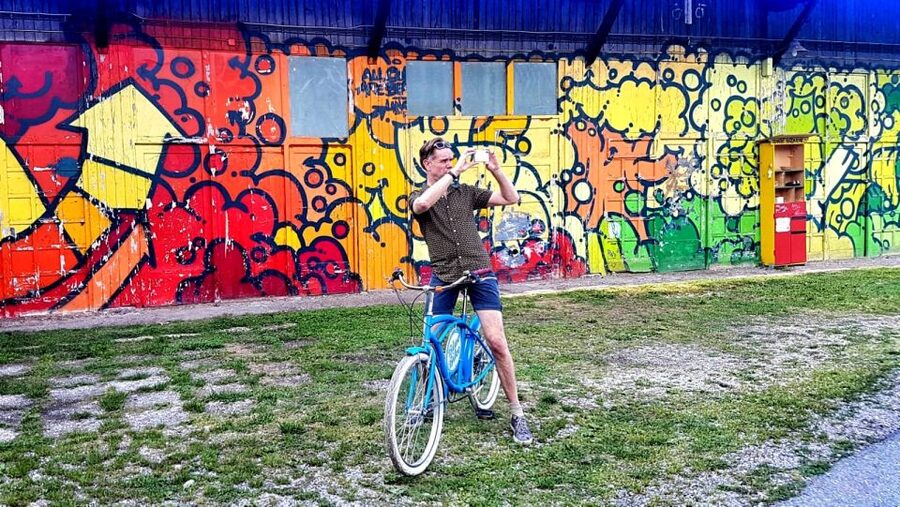
Bundek is one of the route’s most appealing pauses. The park has lakes, shade, and a calmer feel than the wide roads around the housing districts. After the more urban sections, it gives you room to slow down and take in the setting.
The stop lasts about 20 minutes of cycling time within the wider itinerary. You can expect a peaceful park rather than a major monument. That makes it valuable for balance: the tour is not all history, concrete, and city planning.
Bundek also helps you see how New Zagreb has changed over time. The district is not frozen in its socialist beginnings. It remains a lived-in part of the city, with parks and public spaces that serve residents today.
For families, this section may be one of the easiest parts of the ride. The tour is considered suitable for children and older adults, although each person should be comfortable riding a bicycle for several hours with breaks.
Contemporary art and the modern face of Zagreb
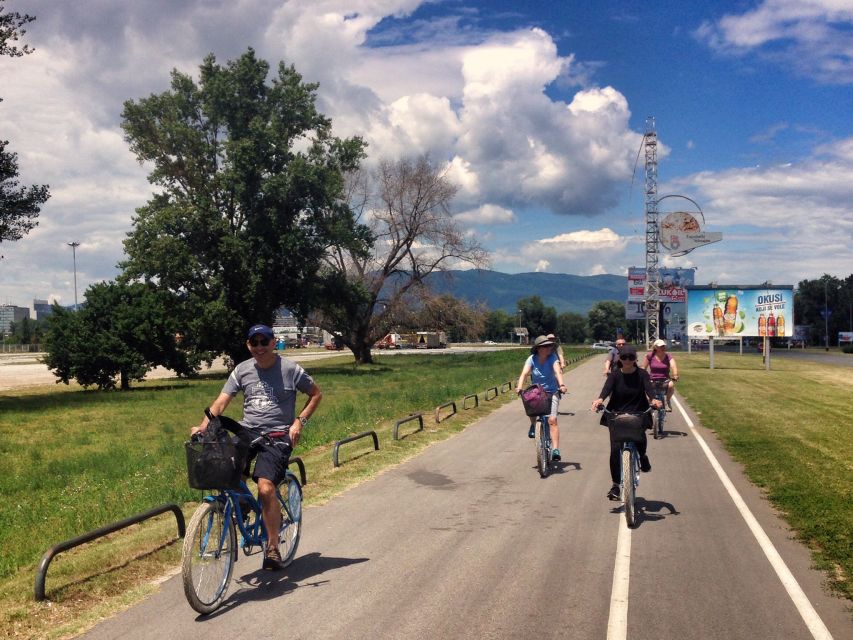
New Zagreb is also connected with Croatia’s current art scene. The route passes the Contemporary Art Museum and the surrounding street-art area, adding a newer cultural layer to the socialist-era setting.
This is a useful contrast. New Zagreb is not presented as an old district left behind by the historic center. It is also a place where contemporary culture has taken root. The result is a more balanced picture of the city, one that includes both its postwar origins and its present-day creative life.
The museum is part of the route, but the information provided does not indicate that admission or an interior visit is included. Plan to view it as an outside stop unless your guide tells you otherwise. If you want a full museum visit, set aside separate time.
Returning across the river with the mountain view
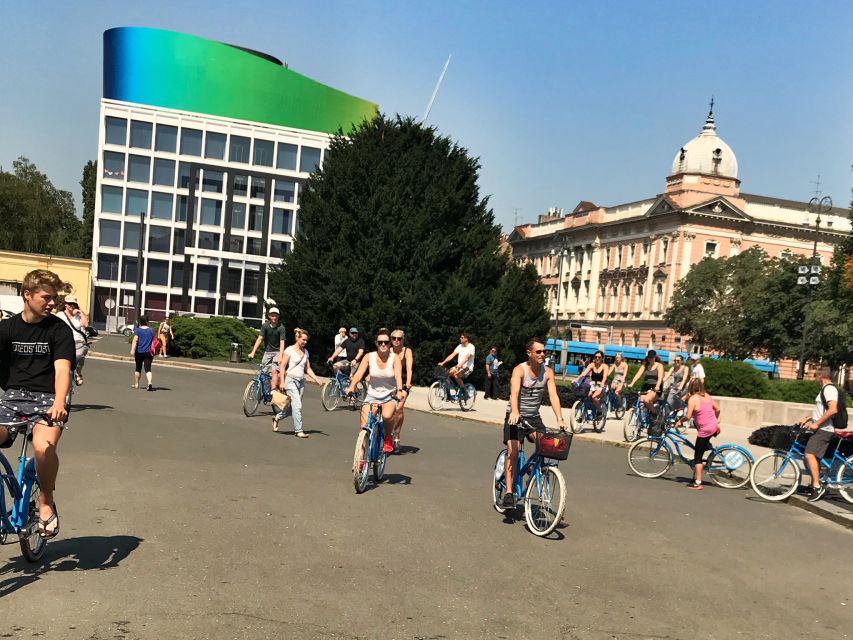
After exploring New Zagreb, the ride heads back across the bridge. This return leg offers one of the best views on the route, with Zagreb and the mountains behind it.
That view works as a visual summary of the whole outing. You have moved from the older central districts, across the river, through postwar Zagreb, and back toward the historic core. From the bridge, the city reads as one place rather than two separate halves.
The final stops include the Botanical Garden of the Faculty of Science, the University of Zagreb, King Tomislav Square, and Park Zrinjevac. These bring you back into the Lower Town’s formal parks and cultural setting.
The Botanical Garden section has about 15 minutes of cycling time, followed by roughly 10 minutes each for King Tomislav Square and Zrinjevac. These are shorter stops, but they complete the Green Horseshoe portion of the ride and return you to the visual language of central Zagreb.
What the 150-minute to three-hour timing means
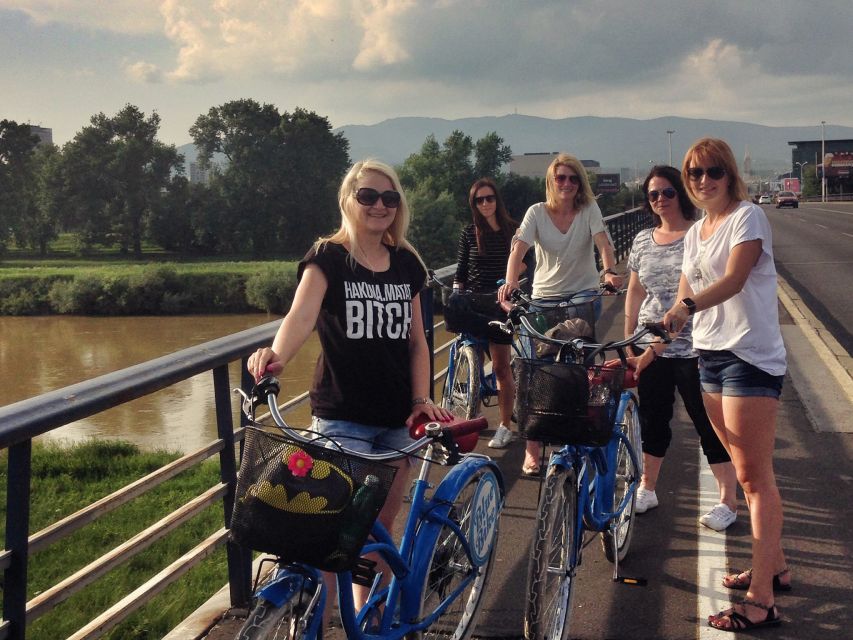
The stated duration ranges from 150 minutes to three hours. That is a fairly wide window, and it likely reflects the pace of the group, the amount of conversation, and how long the guide spends at each stop.
I would allow the full three hours in your day. The route includes several districts and crosses the river, so a rushed version would lose much of its value. If your schedule is tight, confirm the exact starting time and expected duration before booking.
The ride is offered in English with a live local guide. A private group is available, which may be useful if you want more time for questions or a pace suited to your family. The standard price is $57 per person.
At that price, the tour offers good value if you want orientation, transportation, and local context in one package. You receive a bicycle, an English-speaking guide, and a route that reaches areas you might not visit on foot. It is less useful if you only want old churches, grand facades, and major museum interiors.
How the guides affect the experience
The most positive feedback focuses on the human side of the tour. The guides have been praised for being personable, clear, and able to explain everyday life in Zagreb. One past group found the bicycle much more efficient than walking, while another especially valued the conversations about both Old Zagreb and New Zagreb.
That is the right way to think about this tour. You are paying partly for the bicycle, but the guide is what turns a city ride into a history experience.
The feedback is not uniformly strong. One past booking gave the tour a low score because the socialist period was not explained well and the discussion of the 1990s war felt shallow and incorrect. That is worth taking seriously. The tour title promises a particular historical focus, but the actual depth may vary.
If the subject matters to you, ask direct questions about postwar housing, the communist period, and the 1990s. A good guide should be able to connect the physical city with those events. If you receive only short general comments, enjoy the ride for its route and scenery, but do not treat it as a specialist history course.
Who should book this ride
I would recommend the tour to first-time visitors who want to understand Zagreb beyond the central squares. It is especially useful if you have already seen the Upper Town and want to know how the rest of the capital functions.
It also suits families. Children can cover more ground by bicycle, and the mixture of parks, river views, street art, and unusual housing districts is more varied than a long walking tour. Older adults can join too, provided they are comfortable cycling and do not have mobility limitations.
The tour is not suitable for wheelchair users or people with mobility impairments. A helmet is available but optional, and bicycles are included. You should be ready for an urban ride rather than a countryside excursion.
Book it if you like city planning, recent history, social change, and seeing ordinary neighborhoods. Skip it if your priority is a slow visit to museums or a tightly focused tour of medieval Zagreb.
Practical details before you reserve
The meeting point is easy to identify once you know the clue: find the statue in the main square and follow the direction it points toward the office alley at Trg bana Josipa Jelačića 15.
The tour is offered in English. You can cancel up to 24 hours before departure for a full refund, and you can reserve now while paying later. Starting times vary, so check availability for your date rather than assuming a fixed departure.
The overall rating is 4.6 from 25 ratings, with strong praise for the guide’s personality, the historical content, and the efficiency of cycling between old and new parts of the city. The mixed historical feedback means I would judge the tour mainly as a broad city experience, not as a guaranteed expert seminar on socialism.
Should you book the Zagreb socialism bicycle tour?
Book this tour if you want to see how Zagreb lives today, not just how its center looked in earlier centuries. The crossing of the Sava, the postwar housing districts, Bundek Park, contemporary art, and the mountain view create a useful picture of a city that changed quickly.
At $57, the route is a fair buy for visitors who value local explanation and efficient sightseeing. I would choose a private group if you want a slower pace or detailed discussion, and I would leave up to three hours available.
The only reason to hesitate is the uneven depth of the historical commentary. For most people, the combination of cycling, city views, and social history makes the tour worthwhile. Just book it for a broad and thoughtful look at Zagreb, not a specialist account of every chapter in its modern past.
FAQ
Where does the tour start?
It starts at Blue Bike Zagreb, at Trg bana Josipa Jelačića 15 in Zagreb. The office is in an alley indicated by the direction of the statue on the main square.
How long does the tour last?
The duration is listed as 150 minutes to 3 hours. The exact timing can vary, so check the available starting time for your date.
What price should I expect?
The listed price is $57 per person.
Is a bicycle included?
Yes. A bicycle is included, and a helmet is available as an optional item.
What language is the tour offered in?
The live tour guide speaks English.
Can children and older adults join?
Yes. The tour is considered suitable for children and elderly adults.
Is the tour suitable for wheelchair users?
No. It is not suitable for wheelchair users or people with mobility impairments.
Can I cancel the booking?
Yes. You can cancel up to 24 hours in advance for a full refund. You can also reserve now and pay later.
Just added around the world
- Yogyakarta: Countryside Cycling and Cooking Class Experience★ 4.9 · 8 reviews
- Zell: Bike and boat tour with wine tasting and picnic★ 4.7 · 3 reviews
- Yogyakarta: Countryside Village Cycling Tour With Guide★ 5.0 · 16 reviews
- Amsterdam: Zaanse Schans E-Bike Tour with Windmills & Cheese★ 4.5 · 12 reviews
- Yamaha Fat Bike Adventure: Valencia’s Past and Future★ 4.5 · 2 reviews
- World’s Most Dangerous Road “Private” Mountain Biking Trip★ 5.0 · 7 reviews
- Yangshuo: Highlights Karst landscapes & Village Cycling★ 5.0 · 4 reviews
- Voss – Mountain Bike – Bømoem Forest★ 4.3 · 2 reviews
Cycling Tours, compared.
Ninh Binh Day Trip: Hoa Lu-Trang An/Tam Coc-Mua Cave-Cycling-Boat
Read our review →
Cai Be Mekong Delta Tour: Cooking Class, Cycling & Craft Villages
Read our review →
Countryside Bike Tour from Amsterdam: Cheese, Clogs & a Windmill
Read our review →
Electric Cycling Tour of Ubud with Free Hotel Transfer and Lunch
Read our review →