
Review · MOSHI
Chagga Villages in Mount Kilimanjaro Cycling Day Trip
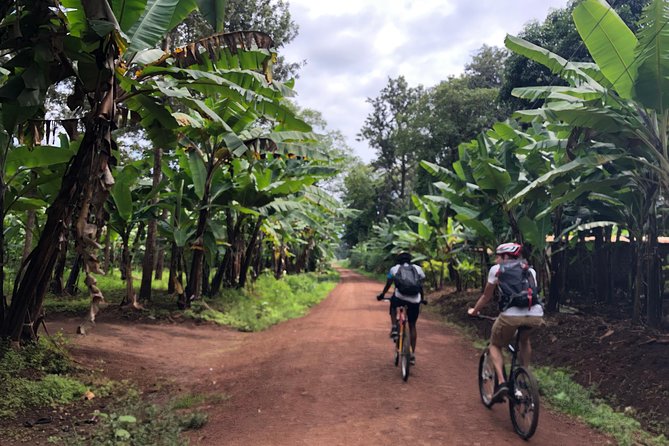
The most memorable part of this ride is not simply seeing Mount Kilimanjaro behind you. It is watching Chagga families make a living from small plots of land, where banana and coffee farming work together to provide food throughout the year. You ride through real villages rather than viewing rural life from a vehicle, with guides such as Roger and Dennis explaining what you see.
I like the private format, since your guide can adjust the pace when the road climbs. I also like the combination of a 39-kilometer route, local lunch, and farming scenery, which gives the day more substance than a short bicycle outing around Moshi.
The main consideration is fitness. This is a moderately difficult ride with a gradual climb toward Kibosho and a steeper section near the end of the paved road. The route includes dirt roads, so you should be comfortable on a bicycle before booking.
Key points to know before you ride
- The route covers 39 kilometers: Expect a substantial half-day ride, not a gentle spin around town.
- Kibosho brings the hardest climb: The route begins fairly flat, then gains height on the way north.
- Coffee and banana farms shape the experience: Your guide helps explain how mixed farming supports Chagga families.
- You ride with your own group: This private setup allows for a more personal pace and conversation.
- Lunch is included: You stop at a local restaurant, while drinks such as soda and alcohol cost extra.
- Roger and Dennis are named guides: Both receive strong praise for patience, kindness, and attentive pacing.
Why this Moshi cycling trip feels different
Many activities around Mount Kilimanjaro focus on the mountain itself. This one shifts your attention to the people living on its lower slopes. You spend the day moving through Chagga villages, where coffee and banana plots are part of daily life, not simply scenery placed along a sightseeing route.
That makes the ride a good choice if you want cultural contact without giving up time outdoors. You are not sitting in a vehicle looking through a window. You are moving at bicycle speed, with time to notice fields, homes, road surfaces, and the way small farms are used.
The mountain serves as a backdrop, but views can depend on conditions. The strongest reason to book is the combination of cycling and village life. The scenery adds plenty, yet the guide’s explanations give the route its meaning.
A few more rides around Tanzania worth a look
- Moshi city bike day trip
★ 5.0 · 17 reviews - Cycling through the TPC plantations
★ 5.0 · 10 reviews - Cycling from Kilimanjaro to Ngorongoro Crater
★ 5.0 · 10 reviews
Starting in Moshi and crossing Shanty Town
Your day begins at One Bike Shop on Moshi Mailimoja Road at 8:30 am. The activity ends at the same meeting point, which keeps the logistics simple if you are staying near central Moshi or can reach the shop by local transport.
The first section heads through Moshi toward the Shanty Town area. This part of the route is relatively flat, giving you time to settle onto the mountain bike and get used to the road. It is a useful warm-up before the route turns north and begins to rise.
Your guide provides the mountain bike, helmet, bottled water, and basic direction for the ride. Since the tour is private, you can discuss your pace with the guide rather than trying to match a large group. That matters later, when the road becomes more demanding.
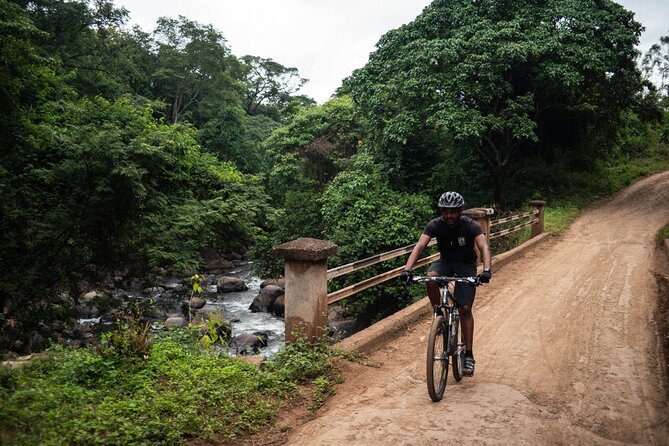
The route uses both tarmac and dirt roads. You should expect changing surfaces rather than a single smooth cycle path. A helmet is included, but you should still wear practical clothing and shoes suitable for several hours on a bicycle.
The climb toward Kibosho
From the flatter opening, the ride continues north toward Kibosho village. The climb is gradual at first, then becomes steeper near the end of the paved road. This is where the moderate difficulty becomes real.
You do not need to treat the ride as a race. The private guide can check that you are comfortable and set a speed that works for you. Roger is specifically praised for being patient and for making sure riders were doing well on the harder sections. Dennis is also described as kind and attentive, giving you two examples of the sort of personal support you can expect from the guiding team.
Still, do not underestimate the distance. Thirty-nine kilometers is a long ride for anyone who does not cycle often. The tour information calls for a moderate fitness level, and that is a useful warning rather than a formality. If you are used to bicycle rides and can handle hills, the route should feel manageable. If you rarely cycle, the climb and total distance may leave you tired before the day is over.
The gain in height rewards you with changing views around the lower slopes of Kilimanjaro. The road itself is part of the experience. You see how a route used by local residents differs from the polished paths found in purpose-built cycling parks.
Banana farms, coffee plots, and Chagga life
The most valuable part of the ride comes as you pass through Chagga villages and cultivated areas. Bananas and coffee are central to the setting, but the more interesting point is how the land is used. Small plots support mixed farming, allowing families to grow food for their own needs throughout the year.
Your guide helps connect the plants and fields to everyday life. Instead of simply hearing that coffee grows in the area, you can ask how it fits alongside banana farming and other food production. The emphasis is on practical life: how families manage limited land and make it productive.
This is also where cycling has an advantage over driving. You move slowly enough to take in the details, and you can stop for explanations without holding up a large group. The private arrangement gives you room to ask questions about food, farming, and local customs.
The experience is not presented as a staged cultural performance. You are riding through villages and farming areas where people live and work. That means you should approach the route with courtesy. Follow your guide’s lead around homes and farms, and remember that the setting is a community, not an attraction built only for sightseeing.
The natural setting adds interest, too. The tour encourages you to keep an eye out for local plants and animals. No specific species are promised, so think of this as a chance to observe rather than a wildlife-focused excursion.
Same roads, a different day in the saddle:
- Arusha:Canoeing/Kayaking &/or Cycling Adventure (with Lunch)
★ 4.9 · 28 reviews - Materuni Waterfall E-Bike Day Trip
★ 5.0 · 9 reviews - West Kilimanjaro cycling Adventures
★ 4.5 · 8 reviews - Private Cycle to Kilimanjaro Bike Park Safari
★ 5.0 · 6 reviews
The dirt-road section and Lyamungo
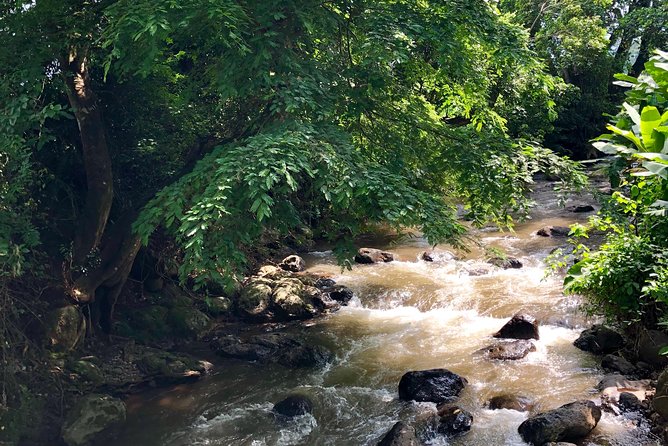
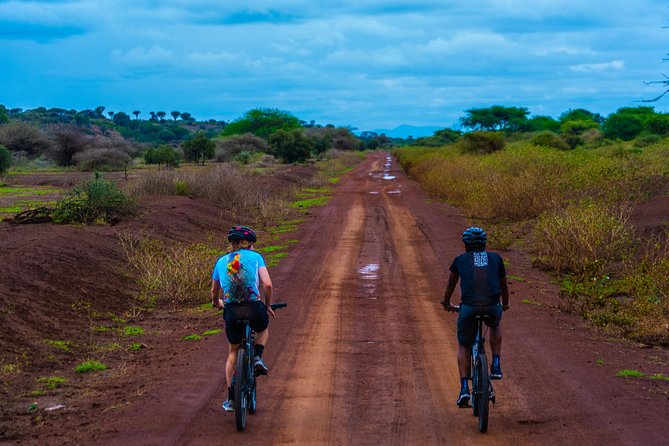
After the paved climb, the route continues onto dirt roads and through more rural areas, including Lyamungo. This change in surface gives the second half of the ride a different feel. The bike becomes more important, and your comfort on uneven roads matters.
Dirt roads can slow the pace, especially after the climb toward Kibosho. That is not a flaw if you want a closer look at village life, but it does mean the five to seven-hour estimate can vary. Your total time depends on riding speed, stops, and the condition of the route that day.
You should also be ready for a little dust or a less polished road experience. The information provided does not describe a technical mountain-bike trail, so this is not an extreme off-road challenge. It is better understood as a village ride using a mix of ordinary paved and unpaved roads.
Lyamungo helps round out the picture of life at Kilimanjaro’s base. Instead of returning immediately after the main climb, you continue through another rural setting and see more of the farming pattern that defines the trip.
Lunch at a local restaurant
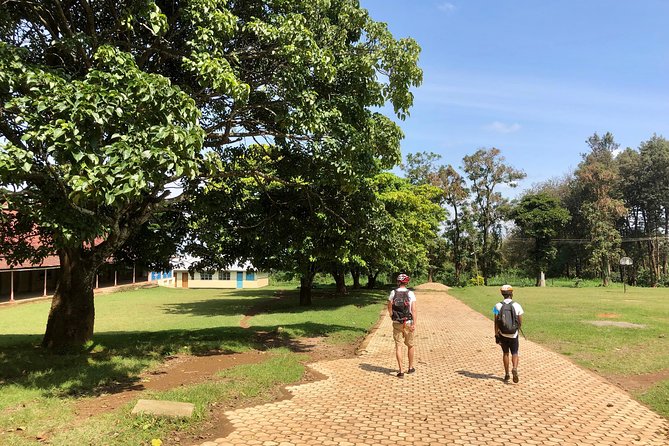
Lunch is included and served at a local restaurant. This is a welcome pause after the riding, especially because the route combines distance with climbing. It also keeps the day connected to local life rather than treating food as an afterthought.
The supplied details do not specify the menu, so you should not book expecting a particular dish. You can expect lunch to be part of the planned experience, while alcoholic drinks and soda are not included.
Bottled water is provided, which is useful on a long ride. Even so, you should pay attention to your own drinking needs. The tour lasts several hours, and the combination of exercise and warm conditions can make hydration important.
A restaurant stop also gives you a chance to slow down and talk with your guide. The best cultural questions often come up during breaks, when you are no longer trying to watch the road or manage a hill.
How the private guide changes the day
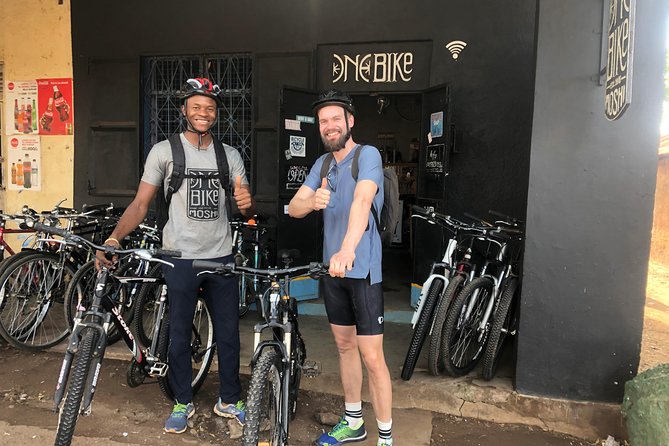
The private format is one of the strongest reasons to choose this experience. Only your group participates, so you are not tied to the pace of a large cycling party. That can make a major difference on a route with both flat and steep sections.
A private guide can also explain what interests you. If farming catches your attention, you can ask more about coffee, bananas, and mixed cultivation. If the riding itself is your priority, you can keep moving with fewer interruptions.
Roger receives especially strong praise for his patience and for checking that riders were comfortable on harder paths. Dennis is described as kind and friendly. Guides can vary by date, but both names are associated with the activity, and the reports of their approach suggest that personal attention is part of the experience.
The guide is not just there to point out the road. The cultural side of the trip depends on conversation. You should use the private setting to ask direct, respectful questions instead of treating the guide as a silent escort.
What the $101.54 price includes
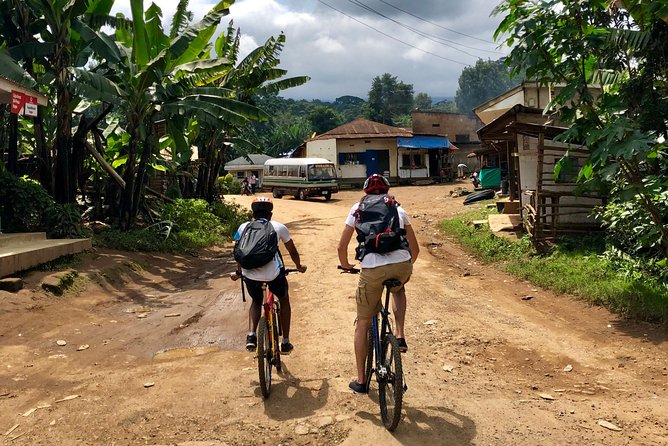
At $101.54 per person, this is not the cheapest way to spend a morning in Moshi. The value comes from what is bundled into the price: a private English-speaking cycling guide, mountain bike, helmet, bottled water, lunch, and all fees and taxes.
You are paying for more than bicycle hire. The guide provides route support, cultural context, and pacing over a fairly long ride. Lunch also means you do not need to arrange a separate meal during the outing.
Private tours usually make more sense when you care about pace and personal attention. If you are comparing this with a basic rental, remember that the rental will not necessarily include a guide, village interpretation, lunch, or route planning.
The price does not include private transportation, soda, alcoholic drinks, or tips. You need to reach One Bike Shop on your own, and you should budget for a tip if your guide provides good service.
The activity is booked about seven days ahead on average. That does not guarantee availability, but it suggests that you should avoid waiting until the last minute if your schedule is fixed.
Who should book this ride
I would recommend this day trip to you if you enjoy active sightseeing and want a closer look at rural life around Kilimanjaro. It suits riders with at least some bicycle experience, especially those comfortable with hills and mixed road surfaces.
It is also a good fit if you prefer a private outing to a fixed group schedule. The ability to ride at your own pace can make the difference between an enjoyable day and an exhausting one.
You may want a different activity if you are looking for a very easy bicycle tour, a short route, or a dedicated wildlife outing. The total distance is substantial, and the climb toward Kibosho is part of the route. Walking is also an option in the area, but the cycling trip covers more ground and suits people who already feel at ease on a bicycle.
The tour requires good weather. If poor conditions cause cancellation, you are offered another date or a full refund. You can cancel for a full refund up to 24 hours before the 8:30 am start time. Cancellations or changes within 24 hours are not refunded or accepted.
Should you book the Chagga villages cycling trip?
Book it if you want to combine active exercise, Chagga culture, and farm scenery in one private day. The strongest parts are the village route, the explanation of mixed farming, the included lunch, and the chance to have a guide such as Roger or Dennis set a sensible pace.
Think carefully about the distance before paying. Thirty-nine kilometers, a climb toward Kibosho, and dirt roads make this more demanding than a casual town ride. If you have moderate fitness and some cycling experience, the effort buys you a much more direct look at life around Mount Kilimanjaro.
FAQ
Where does the cycling tour start?
The tour starts at One Bike Shop on Moshi Mailimoja Road in Tanzania.
What time does the tour begin?
The scheduled start time is 8:30 am.
How long does the experience last?
The ride lasts approximately five to seven hours.
How far do you cycle?
The total distance is 39 kilometers.
What type of roads does the route use?
The route includes both tarmac and dirt roads.
Is lunch included?
Yes. Lunch at a local restaurant is included in the price.
Is this a private tour?
Yes. Only your group participates in this activity.
What happens if bad weather cancels the tour?
You are offered a different date or a full refund if poor weather causes the experience to be canceled.
Just added around Tanzania
- Cycling to Amboni Caves & Sulphur Hot Springs-(Taste of Tanga)★ 4.5 · 2 reviews
- West Kilimanjaro cycling Adventures★ 4.5 · 8 reviews
- Materuni Waterfall E-Bike Day Trip★ 5.0 · 9 reviews
- Private Cycle to Kilimanjaro Bike Park Safari★ 5.0 · 6 reviews
- Chemka Hotpsrings E-Bike Day Trip★ 5.0 · 3 reviews
- Kilimanjaro Shira Plateau E-Bike Day Trip★ 4.5 · 3 reviews
- Private Canoeing, Cycling, Coffee and Hiking Tour in lake Duluti.★ 5.0 · 2 reviews
- Mountain Bike Tour of the Foothills of Mount Meru★ 5.0 · 2 reviews
Cycling Tours, compared.
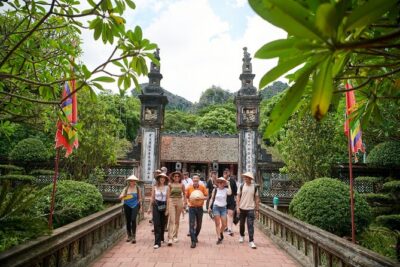
Ninh Binh Day Trip: Hoa Lu-Trang An/Tam Coc-Mua Cave-Cycling-Boat
Read our review →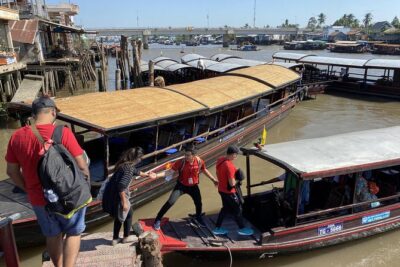
Cai Be Mekong Delta Tour: Cooking Class, Cycling & Craft Villages
Read our review →
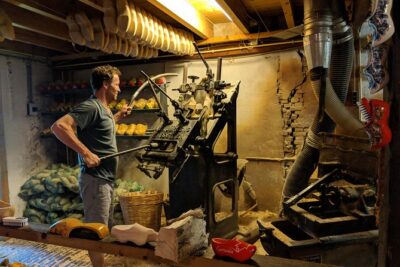
Countryside Bike Tour from Amsterdam: Cheese, Clogs & a Windmill
Read our review →
Electric Cycling Tour of Ubud with Free Hotel Transfer and Lunch
Read our review →
Browse the lists this tour appears in