
Review · CAMBODIA
Cultural Cycling Tour – half day (8:00-11:30)
Battambang’s best morning sights are often found beside the road, not behind a ticket booth. This four-hour bicycle tour takes you to rice-paper kitchens, prahok jars, bamboo tubes of kralan, and small food businesses where your Khmer guide translates and explains what you are seeing.
I like the small maximum of 10 people, which keeps the ride personal, and I like that snacks and tastings are part of the price rather than an afterthought. The main consideration is the heat: you will be outdoors on a bicycle, so bring sun protection and expect the pace to feel less appealing if you dislike morning riding.
Key points
- Traditional food made in front of you: See rice paper, rice wine, dried banana chips, kralan, and other local products at their source.
- A guide who bridges the language gap: Guides such as Paov and Sothea explain local work and history while interpreting conversations with artisans.
- Wat Samrong Knong and its Killing Fields: Visit one of Battambang’s oldest pagodas and a site tied to Cambodia’s Khmer Rouge period.
- A small-group ride: The tour accepts no more than 10 people, with a tuk-tuk option if someone in your group cannot cycle.
- Strong value at $16: Your bicycle, guide, bottled water, tastings, taxes, and admission fees are included.
- An early start with a practical payoff: The 8:00 a.m. departure gets you back around 11:30, before the day becomes hotter.
Why this Battambang ride feels different
This is not a sightseeing circuit built around grand monuments. It is a look at how ordinary Cambodian foods are made and sold. You ride from one working place to another, stopping to watch people prepare products that may later appear in markets or on family tables.
That difference matters. At a major temple, you look at a finished building. Here, you see the work behind food: rice being turned into thin wrappers, sticky rice being packed into bamboo, fish being fermented, and bananas being dried. The guide gives these scenes meaning by explaining what you are looking at and helping you communicate with the people who make it.
I especially like the role of the Khmer guide. The experience depends on more than simply pointing at a basket or oven. The guide interprets conversations with the artisans, explains local customs, and adds context about Cambodian history and daily life. Guides named in the tour information include Paov and Sothea, both praised for friendly, clear English, as well as Raksa, who has also led cycling experiences.
The tour is also a good fit if you want to get away from the busiest streets without committing to a full-day excursion. The route is described as relaxed and moderate in pace. You still need to be comfortable on a bicycle, but the morning is designed around easy stops rather than racing from one attraction to the next.
A few more rides around Cambodia worth a look
- Phnom Penh Silk Island Bike Tour/ E-Bike or Tuk Tuk
★ 5.0 · 495 reviews - Siem Reap: Guided Countryside Bike Tour
★ 4.9 · 294 reviews - Silk Island Cycling Adventure & lunch with locals
★ 5.0 · 246 reviews
8:00 a.m. start and a small-group pace
The advertised schedule runs from 8:00 to about 11:30, although the experience is also described as approximately four hours. In practical terms, plan on a substantial morning and allow some flexibility around the stated return time.
Pickup is offered, and the tour is near public transportation. Exact pickup arrangements are not detailed, so confirm the meeting point when booking. The bicycle is supplied, along with bottled water. Suncream, sunglasses, beer, and personal purchases are not included.
The group limit of 10 is one of the tour’s strongest practical features. A group this size is easier to move through small food-making spaces, and it gives you a better chance to hear the guide. If you are the only person booked that day, the tour can still operate as a personal outing, according to the experience information.
You do not need to arrange separate entrance payments for the included stops. Admission fees and taxes are covered. The $16 price is therefore quite low for a morning that combines transport by bicycle, a local guide, food samples, bottled water, and cultural sites.
Wat Samrong Knong and the difficult part of Cambodian history
The first listed stop is Wat Samrong Knong, described as Battambang’s oldest pagoda. The visit lasts about 20 minutes, and admission is included.
This is not only a religious site. It is also associated with the Killing Fields, so the stop brings Cambodia’s recent history into the morning. A good guide can help you understand the contrast between the peaceful pagoda setting and the painful events connected with the area.
You should expect this part of the tour to be brief rather than a long museum visit. Twenty minutes is enough to see the site and receive an introduction, but not enough for an extended historical study. If Cambodia’s Khmer Rouge period is important to your trip, you may want to visit a dedicated museum or memorial separately.
Still, the stop is valuable because it places local food and village life in a wider context. Battambang is not simply a pleasant cycling destination. Its communities carry memories of war, displacement, and recovery. Seeing a pagoda connected with that past before visiting working food producers gives the morning more weight.
Khmer prahok jars and a taste of Cambodia’s strongest flavor
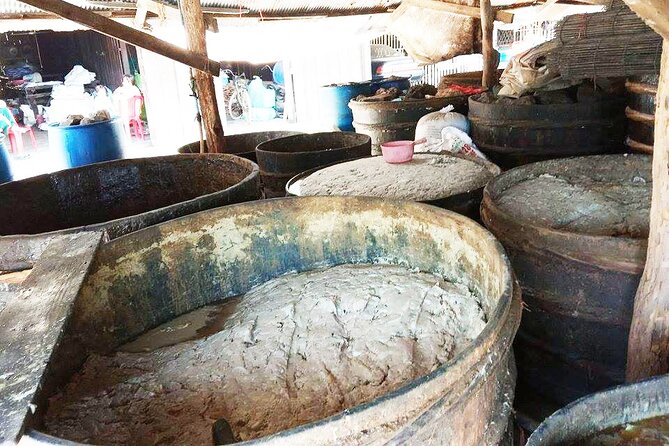
The second stop focuses on Khmer prahok, a fermented fish paste made by packing fish into jars. The visit lasts around 20 minutes and has no separate admission fee.
Prahok is one of Cambodia’s defining ingredients, but it can be an intense introduction for anyone unfamiliar with fermented fish. You will see the process rather than receive a polished cooking demonstration. The jars offer a direct look at how a common household and market product is prepared.
This is the sort of stop that rewards curiosity. You may not love the smell, and the flavor can be strong, but that is part of the point. Food traditions are not always designed for a visitor’s comfort. They reflect local taste, preservation needs, and long-standing kitchen habits.
Your guide is especially useful here. The tour is built around interpretation, so you can ask how prahok is used and how the finished product fits into Khmer food. The supplied information does not promise a full meal or a cooking class, so think of this as a brief cultural stop with explanation, not a hands-on workshop.
Same roads, a different day in the saddle:
- Phnom Penh: Cycling Adventure on Islands of the Mekong
★ 5.0 · 225 reviews - Cycle the Angkor Backroads with lunch / E-Bike or Tuk Tuk
★ 5.0 · 124 reviews - Floating Village Bike & Boat Sunset / E-Bike Available
★ 5.0 · 78 reviews - Angkor Sunrise Expedition Cycling Through Serene Backroads
★ 5.0 · 70 reviews
Ek Phnom food makers: rice wine, rice paper, and banana chips
The longest stop is at Ek Phnom, where you spend about an hour seeing several forms of traditional food production. This is likely the morning’s main attraction for anyone interested in local work and food.
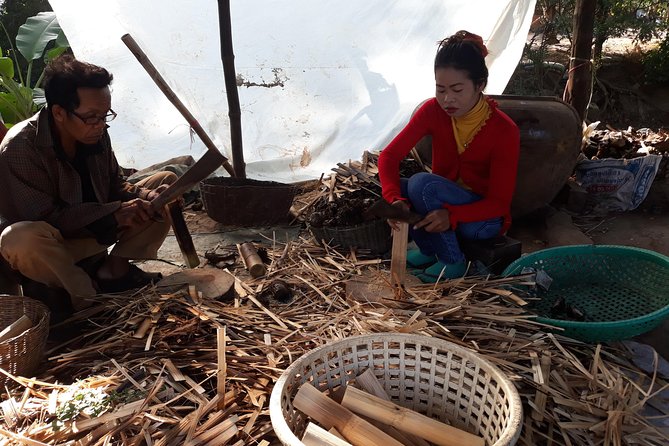
You may see rice wine being made, rice paper discs prepared for spring rolls, and bananas turned into dried chips. The value lies in the ordinary nature of these businesses. You are not watching a stage show built only for tour groups. You are seeing products that have a place in local commerce and cooking.
Rice paper is particularly interesting because the finished sheets look simple, yet making them requires a careful process. The tour describes local women, or Ming, making the discs. Your guide acts as the interpreter, helping you understand the work and interact respectfully rather than simply taking photographs from a distance.
Rice wine adds another layer. You can watch a traditional drink being produced and may have the chance to sample it, since tastings of traditional food products are included. The information does not promise a fixed list of samples or a guaranteed amount of alcohol, so do not treat this as a drinking tour.
Dried banana chips provide a more familiar stop. Roadside vendors may also offer banana chips, rice wine, and other products for purchase. Your own shopping is not included, but you can budget extra if you want to support the makers directly.
The hour-long visit gives the guide time to explain several products without forcing every stop into a rushed photo opportunity. Even so, the exact order and length of each demonstration may change depending on what is being made that morning.
Kralan, bamboo tubes, and the tasting stops
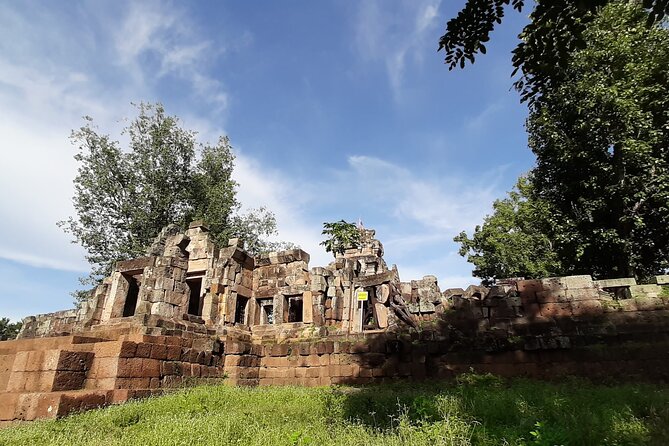
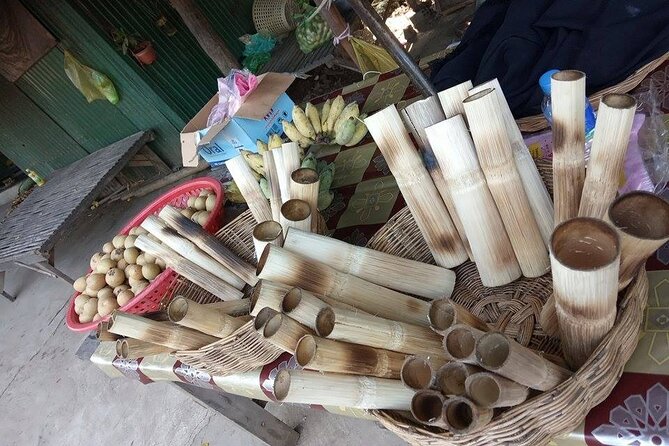
At Samrong Knong, the tour includes a taste of kralan, a traditional sticky-rice snack cooked in a bamboo tube over charcoal. The ingredients are sticky rice, black beans, coconut milk, and a little salt.
Kralan is a fine example of why the food stops matter. It is portable, filling, and prepared with basic ingredients and a slow charcoal cooking method. The bamboo tube is not just packaging. It is part of the cooking process and gives the snack its distinctive form.
Other tasting possibilities include rice wine and banana chips from roadside sellers. The description promises snacks and tastings of traditional food products made by the artisans visited, but it does not give a fixed tasting menu. If you have allergies or dietary restrictions, ask before accepting samples.
I like that the food is woven into the ride instead of saved for a restaurant at the end. You get to connect the taste with the person and process behind it. The tradeoff is that this is not a formal food tour with a long seated meal. Eat breakfast before you leave if you need something substantial.
What the ride is like in practice
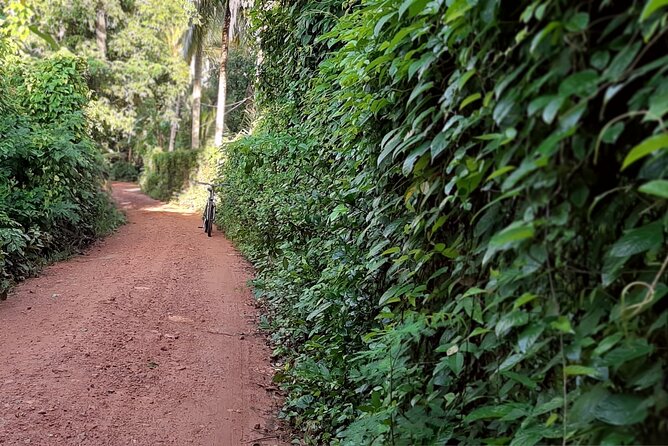
The route is presented as relaxed and easy to moderate, with a focus on getting beyond the crowd. You will spend the morning moving between sites and local businesses rather than riding continuously for hours.
Most people can participate, according to the supplied information. If someone in your group has a problem that makes cycling difficult, a tuk-tuk can be included. That option is important for mixed groups, but you should explain the need when arranging the tour rather than assuming a vehicle will be waiting without notice.
The tour requires decent weather. If poor weather causes cancellation, you are offered another date or a full refund. Cambodia’s morning heat also makes the early start sensible. Wear light clothing, bring suncream and sunglasses, and drink the supplied water.
The provider does not include suncream, so do not count on buying everything after pickup. Comfortable clothing and practical footwear will make the morning easier. Because shopping is optional and not included, carry only what you need for the ride and any small purchases you plan to make.
The guide makes or breaks the morning
This tour relies heavily on the guide. The sights themselves are modest: jars, food stalls, a pagoda, and small production areas. Without explanation, you might see plenty but understand little.
Paov has been described as friendly, funny, and helpful during a morning ride. Sothea is noted for strong English, historical explanations, and an ability to discuss everyday Cambodian life. Raksa is associated with the company and has also guided cycling experiences. Guide assignments can change, so do not book solely on the assumption that one named person will lead your departure.
The important thing is the role the guide plays. You need someone who can explain the Khmer Rouge period at Wat Samrong Knong, translate at the food stops, and answer simple questions about the products. The experience information makes that interpreter role central, not optional.
The company is also described as helping with wider transport and sightseeing arrangements, including assistance connected with Battambang’s railway and bat caves. Those outings are not part of this half-day cycling tour, but they suggest you may be able to ask the provider about other local plans if you have more time in town.
Is $16 good value?
At $16, this is one of those tours where the included basics add up quickly. You receive:
- Use of a bicycle
- A local experienced guide
- Bottled water
- Traditional food tastings and snacks
- Admission fees
- Taxes
You also receive a small-group format, with no more than 10 people, plus pickup availability. Compared with arranging several short visits yourself, the price pays for local interpretation and removes the need to work out a route between scattered stops.
The tour is less useful if you only want major architectural sights. Much of the appeal comes from food production and conversation. You are paying for access and explanation as much as for monuments.
Remember to add a little extra for suncream, drinks beyond the supplied water, beer, sunglasses, and purchases from roadside vendors. Free cancellation is available up to 24 hours before the start. Within 24 hours, the payment is not refunded, and changes are not accepted.
Who should book this cycling tour?
I would choose this for a first morning in Battambang if you want a gentle introduction to local life. It suits people who like food, small businesses, village roads, and guides who can explain what is happening around them.
It is also a good choice for couples and small groups. The maximum of 10 keeps the outing from feeling like a convoy, while the tuk-tuk option helps if not everyone can ride.
I would think twice if you dislike heat, fermented fish, roadside production areas, or informal cultural encounters. The tour does not promise polished facilities or a large meal. It asks you to stay open to smells, working spaces, and food that may be unfamiliar.
The strongest reason to book is the combination: cycling, history, food, and translation in one short morning. You see more than a temple, but you do not spend a full day on the road.
Should you book it?
Book this tour if you want to see how Battambang eats and works, not just how it photographs. For $16, the bicycle, guide, tastings, water, and fees make it a strong value, especially with a group capped at 10.
Choose it with the understanding that the ride is outdoors, the food can be bold, and the historical stop may be sobering. Bring suncream, confirm pickup details, and tell the company in advance if someone needs a tuk-tuk. For an easy morning that connects local food with Cambodian history and daily life, this is a smart choice.
FAQ
How long does the cycling tour last?
The tour begins at 8:00 a.m. and is scheduled to finish around 11:30 a.m. It is also described as approximately four hours, so allow some flexibility around the return time.
What is the price?
The tour costs $16.
Is pickup available?
Yes, pickup is offered. Confirm the exact pickup arrangement when booking.
Is bicycle use included?
Yes. Use of a bicycle is included in the tour price.
What food and drinks are included?
Bottled water and tastings of traditional food products made by the artisans visited are included. Examples include kralan, rice wine, rice paper products, and banana chips.
Which places does the tour visit?
The listed stops are Wat Samrong Knong, the Khmer prahok market, and Ek Phnom. At Ek Phnom, you can see rice wine, rice paper, and dried banana chips being made.
How large is the group?
The tour has a maximum of 10 people.
Can someone join if they cannot ride a bicycle?
Yes. If someone in your group has a problem that prevents bike riding, a tuk-tuk can be included. Tell the provider about the issue when arranging the tour.
What happens if the weather is poor?
The experience requires good weather. If it is canceled because of poor weather, you are offered a different date or a full refund. Cancellation by you is fully refundable when made at least 24 hours before the start time.
Just added around Cambodia
- Short Cycling at Countryside★ 5.0 · 29 reviews
- Small Group Sunset, Picnic & Countryside, Bike Tours★ 5.0 · 29 reviews
- Ruins Temples of Beng Mealea Cycling Tour★ 5.0 · 2 reviews
- Morning Village & Countryside Bike Experience – Siem Reap★ 5.0 · 5 reviews
- Phnom Krom for Sunset Cycling Tour★ 5.0 · 3 reviews
- Private Siem Reap Countryside Cycling Tour★ 4.5 · 4 reviews
- Half-Day Countryside Local Village Cycling Tour★ 5.0 · 13 reviews
- Angkor Wat Cycling Tour★ 5.0 · 8 reviews
Cycling Tours, compared.
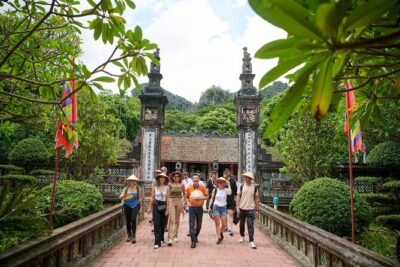
Ninh Binh Day Trip: Hoa Lu-Trang An/Tam Coc-Mua Cave-Cycling-Boat
Read our review →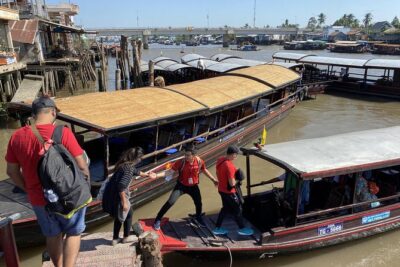
Cai Be Mekong Delta Tour: Cooking Class, Cycling & Craft Villages
Read our review →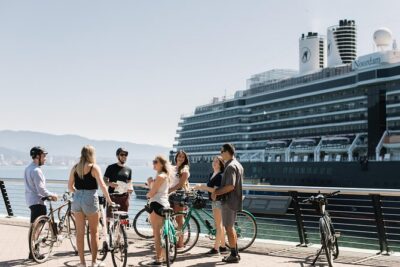
Countryside Bike Tour from Amsterdam: Cheese, Clogs & a Windmill
Read our review →
Electric Cycling Tour of Ubud with Free Hotel Transfer and Lunch
Read our review →

Browse the lists this tour appears in