
Review · CAPE TOWN
Cape Town: Cultural Cycling Tour
Masiphumelele is best understood from a bicycle seat. This four-hour tour takes you past local businesses, a library, a crèche, and community projects, with a Xhosa guide explaining customs and daily life as you go. The most memorable stop may be the Sangoma visit, where traditional healers can introduce you to an important part of local culture.
I like the small group, limited to eight people, because it gives you room to ask direct questions. I also like the clear community link: 10 percent of the tour price goes to Masicorp, while the starting point shares a workshop with the Songezo Youth Cycling Academy. Guide Lutho has earned especially warm praise for his way of leading the tour.
This is not a polished sightseeing ride. Some parts may feel uncomfortable, especially when you see poverty close up. The ride also requires enough mobility to handle a bicycle, and transport to the meeting point is not included.
Key points at a glance

- Ride with a local Xhosa guide: You see Masiphumelele through local eyes, with time to ask about customs and community life.
- Meet Sangomas: A visit to traditional healers, with dancing possible, gives the tour its strongest cultural focus.
- Eat African food locally: Lunch is served at an African restaurant or in the home of a local woman who hosts tour groups.
- Visit the Songezo cycling workshop: The tour begins at a campus linked to a youth cycling academy.
- Support education and youth sport: Ten percent of proceeds goes to Masicorp, and part of the tour helps a local crèche.
- Expect a small, active outing: The group holds no more than eight people, but the tour is not suitable for wheelchair users or people with mobility impairments.
Starting at the Songezo cycling workshop
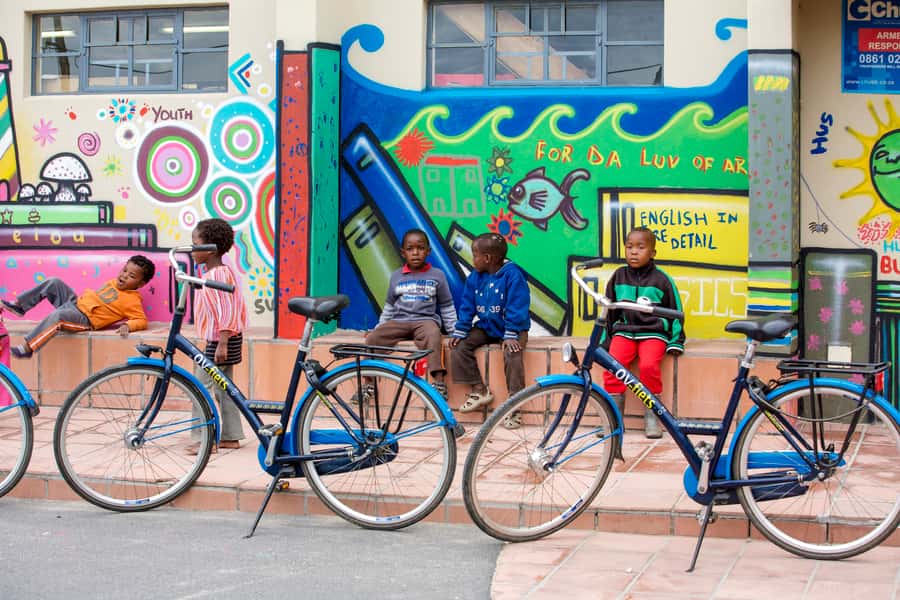
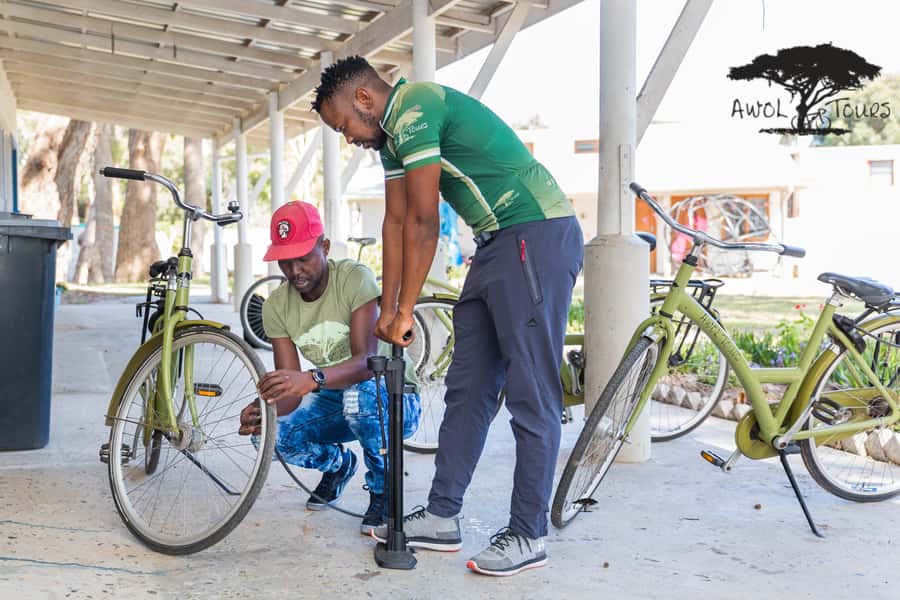
Your ride begins at the MasiCorp Chasmay Road Campus, the organization’s head office in Masiphumelele. The campus shares a workshop with the Songezo Youth Cycling Academy, so you may see young cyclists training before the tour starts.
That detail gives the outing a useful frame. You are not simply arriving to look at a township and leave again. The bicycle itself connects to a local youth project, and Songezo Jim, described as South Africa’s first Black South African cyclist, now helps inspire young people to take up the sport.
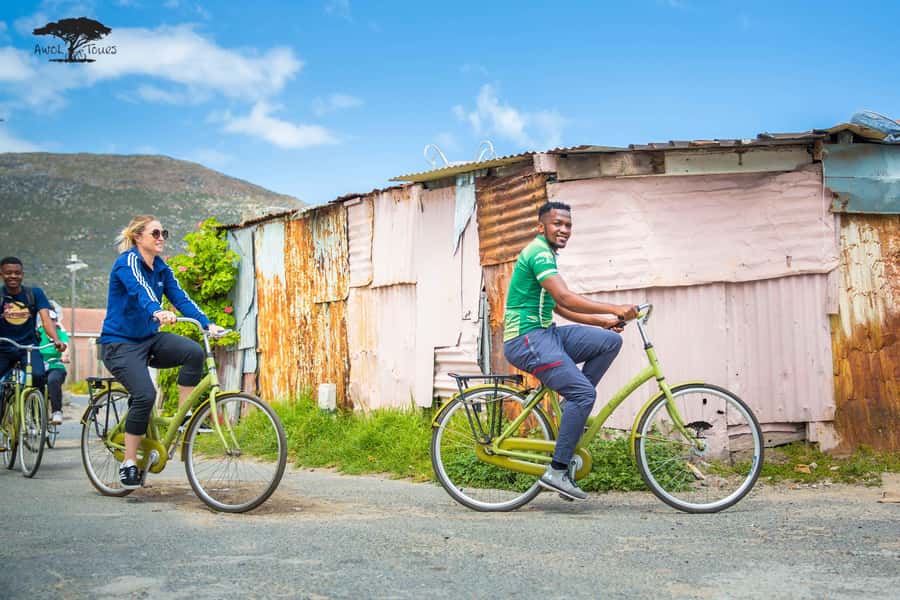
You ride an old-fashioned Dutch bicycle. It is a practical, memorable choice, though you should wear comfortable shoes and be ready for an active four hours. High heels and jewelry are not allowed, and food should not be brought along.
The meeting point is not a central Cape Town hotel. Transport can be arranged on request, but it is not included in the $106 price. Check that detail before booking, since the extra ride to and from Masiphumelele can affect the total cost and your day’s timing.
A few more rides around Cape Town worth a look
- Cape Town City Cycling Tour
★ 5.0 · 199 reviews - Cape Town: Peninsula Road Bike Tour
★ 5.0 · 23 reviews - Mountain Biking Table Mountain to Constantia Morning Ride
★ 5.0 · 17 reviews
Seeing Masiphumelele at bicycle speed
A bicycle gives you a slower pace than a vehicle and more distance than a walking tour. You can move through the township while still having enough time to stop, listen, and speak with the guide.
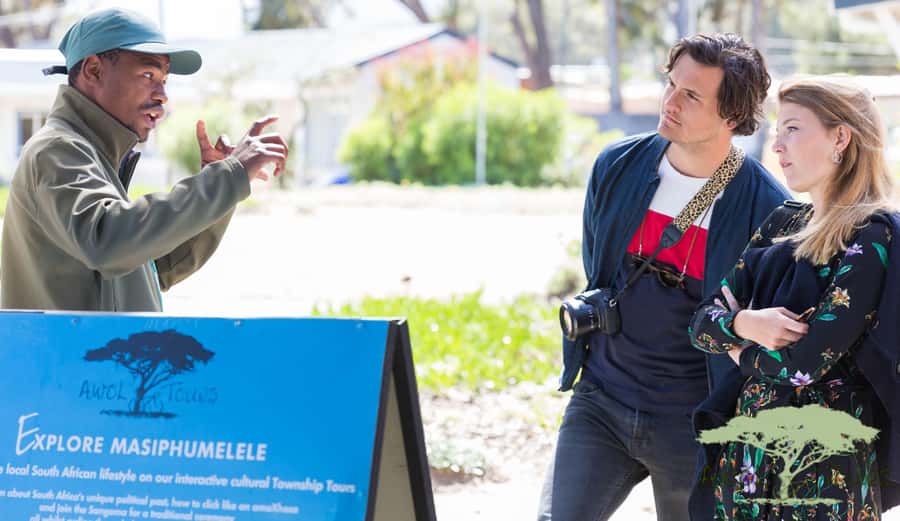
Your local guide explains Xhosa customs and points out places that might otherwise look ordinary from the road. The tour visits a local library, entrepreneurs, and small businesses. These stops matter because they shift the focus away from poverty alone and toward the people building livelihoods, services, and opportunities in the community.
Do not expect a fixed list of shop visits with the same conversation at every stop. The point is direct contact with local life. You can ask questions, and the small group makes that easier. Lutho, one of the guides connected with the tour, has been singled out for his engaging approach.
The contrast can be hard to process. You may see difficult living conditions alongside people working to improve life for themselves and their children. That tension is central to the experience, and it is worth approaching with humility rather than treating the township as a backdrop for photographs.
The tour provider also asks you not to hand sweets or treats to children. The local partner prefers support to go through registered charities. That is sensible advice: bring curiosity, respect, and questions rather than gifts.
The library, small businesses, and local enterprise
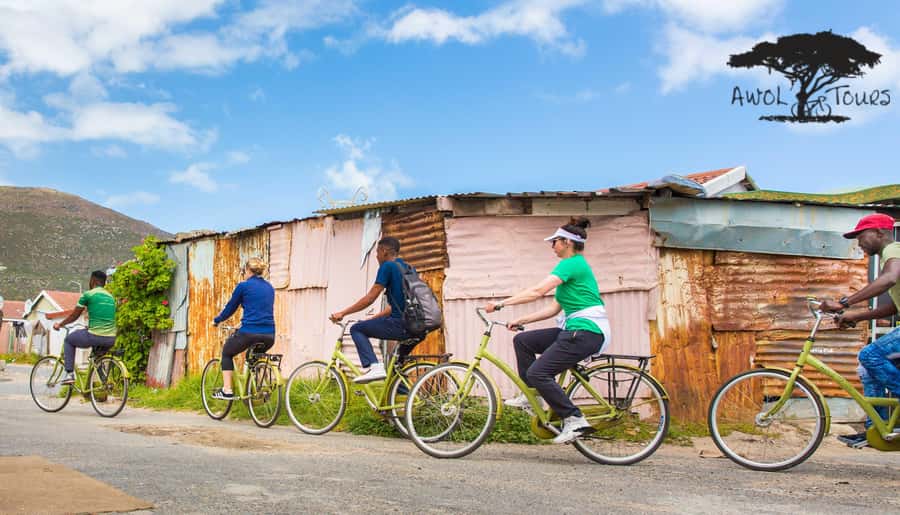
The library provides a look at community resources beyond the street itself. A library may sound like a modest stop, but it helps show how education and access to information fit into daily life in Masiphumelele.
You also visit entrepreneurs and small businesses. These encounters are valuable because they let you see local initiative in practical form. You are not only hearing broad comments about township life. You are being shown places where people work, trade, and serve their neighbors.
The guide’s explanations are important here. Without local context, a short visit to a business can become a quick photo stop. With a guide who knows the area, you can ask what the business does, how it serves the community, and what challenges local entrepreneurs face.
The experience is strongest if you listen more than you compare. This is not a poverty tour designed to make hardship the main attraction. Still, the tour does not hide difficult realities. The honest mix of hope, effort, and discomfort is one of its more worthwhile features.
A crèche visit during the school term
During school time, the route may include a local crèche. It is closed on weekends and school holidays, so this stop is not guaranteed for every departure.
The crèche operates under difficult circumstances, and part of the tour proceeds goes toward improving its facilities. That gives the visit a practical purpose, but you should treat it as a working educational setting, not a staged attraction. The children are not there for your entertainment.
This is one reason the instruction about sweets matters. Small, well-meant gifts can create problems and uneven expectations. The better form of support is the organized contribution already built into the tour price.
If seeing the crèche is important to you, check the date and timing before you book. A weekday during the school term gives you the best chance, but the information provided does not promise that every tour will include the stop.
Same roads, a different day in the saddle:
- Private Cycling Tour of The Cape Peninsula from Cape Town
★ 5.0 · 14 reviews - Private Mountain Biking Tour from Cape Town
★ 5.0 · 12 reviews - Private Cycling Tour of Constantia Winelands
★ 4.5 · 10 reviews - Private Cycling Tour to Cape Point from Cape Town
★ 4.5 · 8 reviews
Meeting Sangomas and learning about Xhosa customs
The Sangoma visit is the cultural heart of the outing. Sangomas are traditional healers, and the tour introduces you to their role through a direct visit rather than a museum display or a short explanation from a guide.
You may dance with the Sangomas, which makes this stop more active than a standard cultural talk. Still, you should follow the guide’s lead and approach the visit with respect. Traditional healing is not a costume show, and the value comes from meeting people within their own cultural setting.
The guide also explains local Xhosa customs during the ride. This helps place the Sangoma visit in a wider context. You get more than one unusual stop, you get a series of conversations about how customs and community life fit together.
Some people may find this part more compelling than the cycling itself. Others may prefer the small business and food stops. The tour works best for you if you are comfortable asking questions without expecting every answer to match your own assumptions.
African lunch in a local setting
Lunch is included. You will either eat at an African restaurant or visit the home of a local woman who regularly hosts tour groups and prepares authentic African tea or lunch.
The home option is likely to feel more personal, while the restaurant option may provide a more formal setting. The exact arrangement is not specified in advance, so do not book this tour expecting one particular menu or venue.
That uncertainty is part of the appeal, but it also means you should keep an open mind about the meal. This is a chance to taste food in a setting connected to the community, not a fine-dining experience with a set menu and polished service.
Food can also make conversation easier. After several stops and a ride through the township, sitting down together gives you time to ask the guide about what you have seen. The shared meal helps turn the outing from a sightseeing circuit into a social experience.
A Sunday church option
On Sundays, the tour may include a visit to a local gospel church. One of the strongest elements of the experience can be the service, but this depends on the day and the route.
A church visit offers a different view of community life than the business and education stops. Gospel music and worship may be especially meaningful if you enjoy seeing how local religious life shapes a neighborhood.
You should dress and behave respectfully, and remember that a service is a real community gathering, not a performance arranged solely for visitors. The available information does not specify the service schedule or denomination, so confirm the details if this matters to you.
What $106 buys you
At $106 per person, this is not the cheapest way to spend four hours in Cape Town. You are paying for a local guide, bicycle use, lunch, the Sangoma visit, and the organization behind the tour. Transport is extra unless arranged separately.
The value is strongest if you want direct contact and a community-based experience rather than a quick overview from a vehicle. The small group, capped at eight, also matters. You have a better chance to speak with the guide and avoid the feel of a large coach excursion.
Ten percent of every tour proceeds goes directly to Masicorp, a non-profit supporting education in the community. The tour also connects with the Songezo cycling academy, and the crèche benefits from part of the proceeds. Those contributions do not erase the price, but they give it a clearer purpose.
You should still ask yourself what kind of experience you want. If you prefer a smooth, tightly timed sightseeing tour with guaranteed stops, this may feel less predictable than expected. If you value local contact, small groups, and a visible community benefit, the price is easier to justify.
Timing, group size, and practical comfort
The tour lasts four hours. That is long enough to cover several stops without taking up your entire day, but you should not plan a tightly timed activity immediately afterward until you know your transport arrangements.
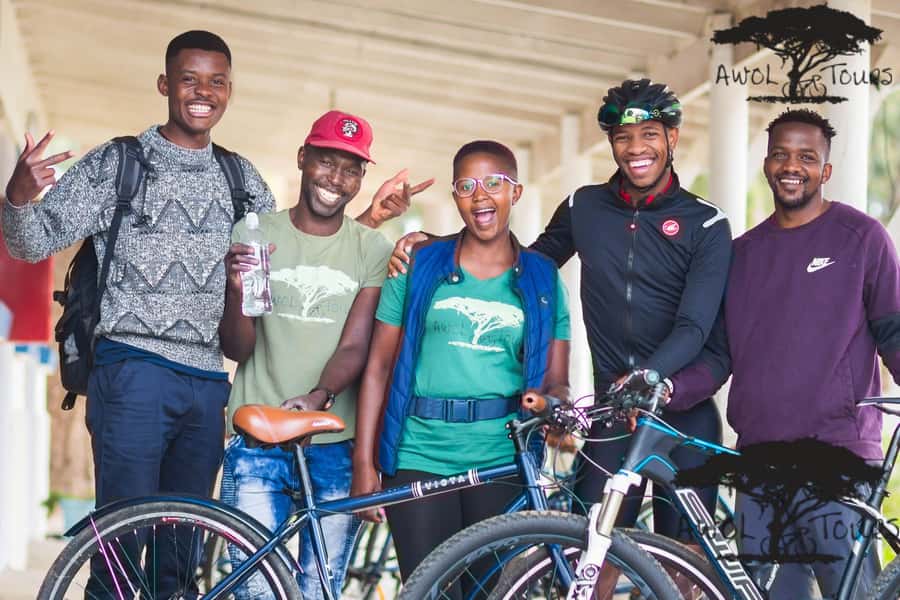
The group limit of eight is one of the tour’s practical strengths. Small groups can enter community spaces with less disruption, and you can ask personal questions without needing to speak over a crowd.
Wear comfortable shoes and clothing suited to cycling. High heels are not allowed, and jewelry is also prohibited. The tour is not suitable for wheelchair users or people with mobility impairments, so consider the bicycle requirement carefully before booking.
English is the tour language, and the guide is live rather than audio-recorded. Free cancellation is available up to 24 hours before the start, and you can reserve now and pay later. Those options are useful if your Cape Town schedule is still shifting.
Who will get the most from this ride
I would recommend this experience to you if you want to meet local people, ask questions, eat in a community setting, and think about how education and youth sport shape township life. It suits active visitors who are comfortable with a bicycle and willing to accept some uncertainty in the route.
It is also a good choice if you want your spending to support a local organization. The Masicorp contribution and links to the Songezo academy are not side notes. They are part of what gives the tour its purpose.
You may want to choose another activity if you dislike emotionally difficult subjects or prefer not to visit areas where poverty is visible. The tour can leave you thinking about privilege and inequality, and that discomfort is not something to brush aside.
Should you book the Masiphumelele cycling tour?
Book it if you want a small, active, community-focused experience with a real chance to speak with a local Xhosa guide. The Sangoma visit, local lunch, possible church service, and visits to small businesses give the four hours a broad range.
Before paying, confirm your transport to Chasmay Road Campus and check whether your date falls during school term if the crèche matters to you. Go with comfortable shoes, no jewelry, and a respectful attitude toward the people and places you visit.
Skip it if you need guaranteed sightseeing stops, easy access, or a polished tourist route. For the right visitor, though, this is a thoughtful way to see Masiphumelele while supporting education and youth cycling.
FAQ
Where does the bicycle township tour begin?
It begins at the MasiCorp Chasmay Road Campus, MasiCorp head office, on Chasmay Road.
How long does the tour last?
The tour lasts four hours.
How much does the tour cost?
The listed price is $106 per person.
Is transport to the meeting point included?
No. Transport is not included, but it can be arranged on request.
What language is the tour conducted in?
The live tour guide speaks English.
How large is the group?
The tour is limited to eight participants.
Is lunch included?
Yes. African lunch is included. You may eat at an African restaurant or in the home of a local woman who hosts tour groups.
Does the tour include a Sangoma visit?
Yes. A Sangoma visit is included, and dancing with the traditional healers may be part of the experience.
Can I visit a local crèche?
The tour may visit a local crèche during school time. The crèche is closed on weekends and school holidays.
Is the tour suitable for wheelchair users?
No. The tour is not suitable for wheelchair users or people with mobility impairments.
Just added around Cape Town
- Township Cycling Tour – Langa Township Cape Town★ 5.0 · 2 reviews
- Woodstock art, Township cycling, Muizenberg beach and Chapman’s Peak★ 5.0 · 2 reviews
- Table Mountain e-Bike Trip from Cape Town★ 4.5 · 6 reviews
- Table Mountain Cycling Experience★ 5.0 · 3 reviews
- Discover Cape Town City Cycle Tour★ 5.0 · 3 reviews
- Private Cycling Tour to Cape Point from Cape Town★ 4.5 · 8 reviews
- Safari Cycle and !Khwa ttu San Heritage Experience★ 4.5 · 2 reviews
- Private Cycling Tour of Constantia Winelands★ 4.5 · 10 reviews
Cycling Tours, compared.
Ninh Binh Day Trip: Hoa Lu-Trang An/Tam Coc-Mua Cave-Cycling-Boat
Read our review →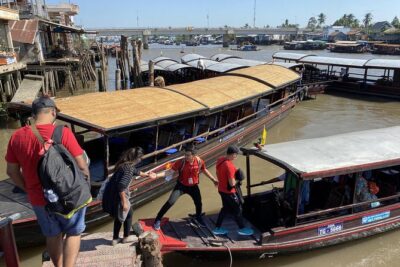
Cai Be Mekong Delta Tour: Cooking Class, Cycling & Craft Villages
Read our review →
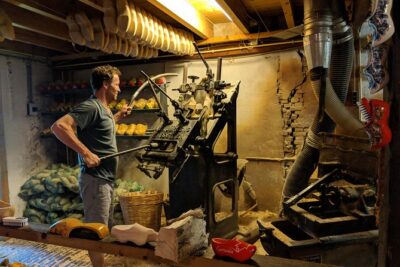
Countryside Bike Tour from Amsterdam: Cheese, Clogs & a Windmill
Read our review →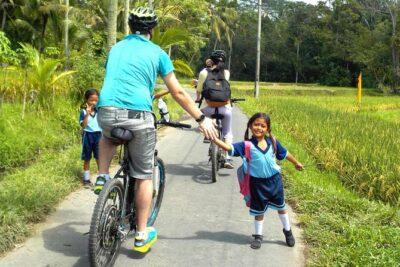
Electric Cycling Tour of Ubud with Free Hotel Transfer and Lunch
Read our review →

Browse the lists this tour appears in