
Review · KUTA
Bali: Ubud Country Side Cycling Tour with Lunch
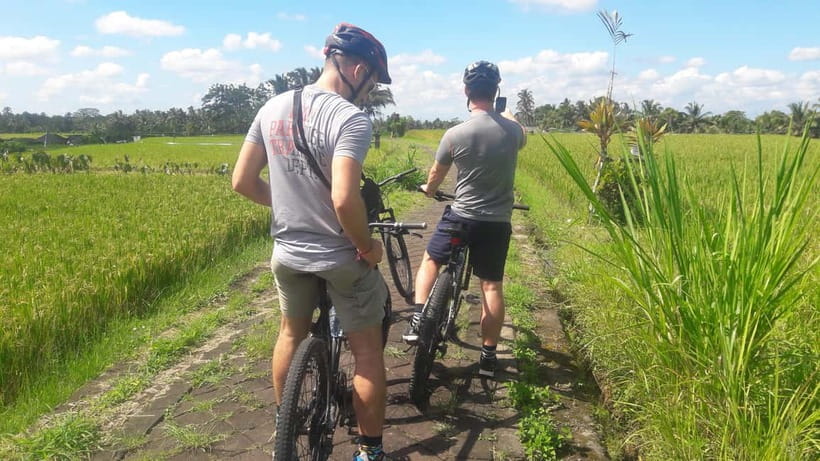
Petang gives you a look at Bali that is easy to miss from a car window. About 30 minutes from Ubud, the route runs mostly through rice fields, with stops at ancient temples and hero monuments along the way. I like the strong mix of scenery and local life, and I like that lunch is served in a village setting rather than at a tourist resort. The chance to see farmers planting or harvesting rice adds real value.
The main consideration is physical. You need to ride a bicycle confidently, and the tour is not suitable for people with back problems or wheelchair users. The route pace can respond to the group, but this is still a cycling trip, not a sightseeing drive with a short bike stop.
Key points at a glance
- About 70% rice-field riding: Most of the route passes through working agricultural areas around Petang.
- A 30-minute transfer from Ubud: Hotel pickup and return are included, making this easier than arranging transport to the countryside yourself.
- Local stops beyond the usual temple circuit: Expect ancient temples, hero monuments, silver jewelry making, and black bee farming.
- Lunch among village homes: The meal gives you a closer look at everyday Balinese hospitality.
- An adaptable cycling pace: The guide can adjust the pace to the group and respond to extra requests.
- Good value at $32: Lunch, water, equipment, insurance, entrance tickets, guide service, and hotel transport are included.
Riding out from Ubud into Petang
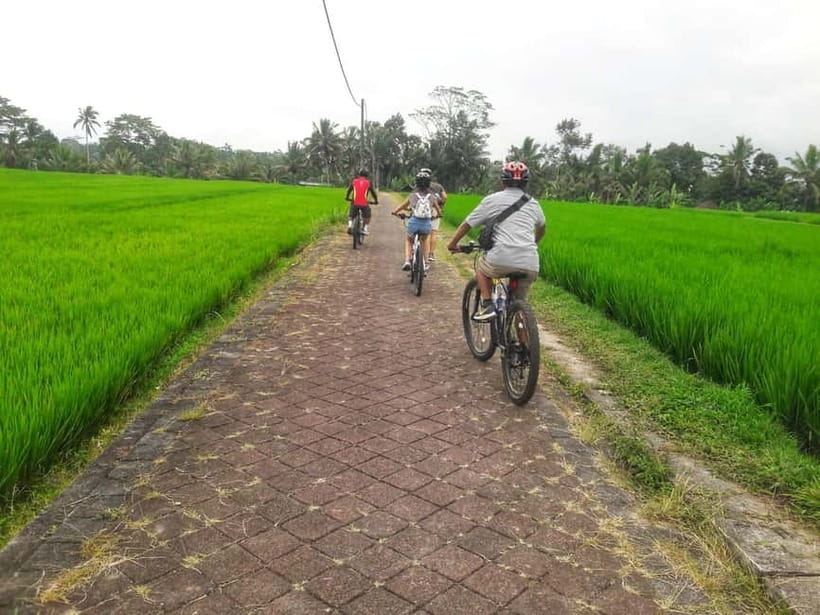
The tour begins with hotel pickup and a drive toward Petang, a village area roughly 30 minutes from Ubud. That short transfer matters. You get out of Ubud’s busy core without spending a large part of the day in a vehicle, then begin cycling in a quieter rural setting.
The route is built around village roads and rice fields. About 70 percent of the journey passes through cultivated fields, so the main attraction is not a single viewpoint. It is the changing scene as you pedal past farmland, village homes, temples, and working areas.
You may see farmers planting or harvesting rice. The exact activity will depend on the agricultural season, so nobody should book expecting a guaranteed demonstration. Still, the possibility of seeing fieldwork in progress gives the ride a useful purpose: you are not simply passing through pretty scenery, you are seeing part of how local communities work.
I also like the scale of this outing. Petang is close enough to Ubud for a practical day trip, yet the setting offers a different rhythm. On a bicycle, you move slowly enough to notice details that disappear from a minibus, including the connection between village life and rice farming.
A few more rides around Indonesia worth a look
- Electric Cycling Tour of Ubud with Free Hotel Transfer and Lunch
★ 5.0 · 1,397 reviews - Menoreh Village Cycling
★ 5.0 · 611 reviews - Ubud: Downhill Cycling with Volcano, Rice Terraces and Meal
★ 5.0 · 536 reviews
Why the rice fields are the real attraction
Bali’s rice fields are often photographed from a single lookout or viewed during a quick transfer. Here, you spend most of the ride moving through them. That makes the agricultural side of Bali central to the day rather than decorative background.
Your guide can explain how farmers live and work as you ride. The supplied information does not give a fixed script or a detailed timetable, so the conversation may change according to the group and what you encounter. That is a strength for visitors who prefer a flexible outing over a tightly staged performance.
There is also a practical benefit to seeing the countryside by bike. You cover enough ground to connect different parts of the village, but you do not rush through each area. The guide can set the pace around the group, which is especially useful if riders have different levels of confidence.
You should still be realistic about the physical side. Comfortable clothes, sunscreen, and a hat are sensible choices in an exposed agricultural setting. Bring a camera if you want to record the ride, but keep it secure while cycling. Complimentary mineral water and a cold face towel are included, useful touches in Bali’s heat.
Temples, hero monuments, and local craft
The route includes several stops, giving your legs a break and adding cultural context. The ancient Balinese temples are likely to be the most familiar part of the program, but they are not the only places worth your attention.
Hero monuments provide another window into local identity. The information supplied does not name the monuments or explain their individual stories, so you should think of these stops as guide-led points of interest rather than a formal museum visit. Ask questions if a monument catches your eye. The guide is there to connect what you see with local culture.
The craft stops make the itinerary more varied. One features silver jewelry making, giving you a look at a traditional skill in practice. Another concerns black bee farming, an unusual subject that shows the tour is not limited to the standard temple and rice-field circuit.
These visits may appeal most if you enjoy seeing how things are made and how rural households earn a living. They are also a useful counterpoint to the scenery. After riding through fields, you see a different form of local work, one based on craft or farming rather than tourism.
The exact amount of time at each stop is not provided. That means you should not expect a guaranteed workshop lesson or a long shopping session. The value is in the range of subjects and the chance to ask your English-speaking guide for more detail.
Lunch in a Balinese village setting
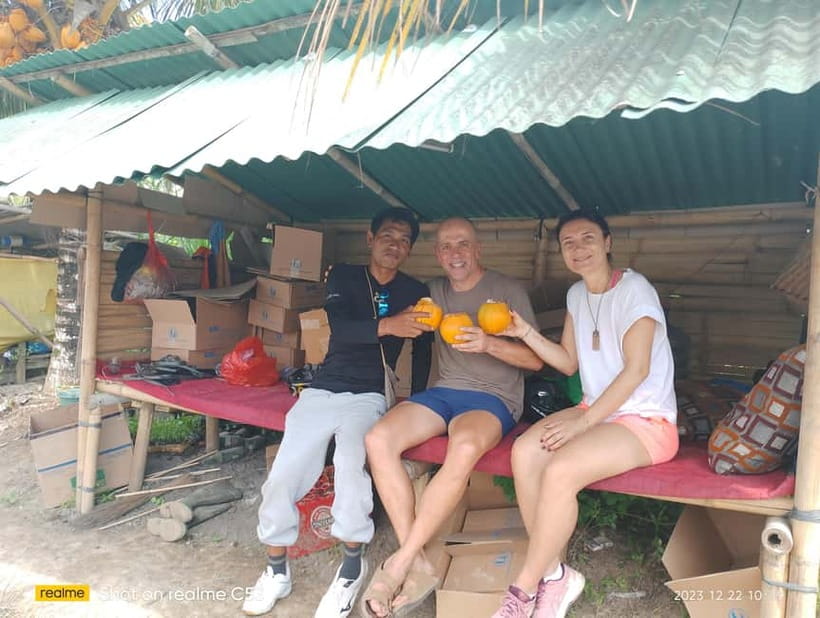
The ride concludes with lunch at a local restaurant among village homes. This is one of the best choices in the program because it keeps the meal connected to the place you have just explored.
Lunch is included, along with mineral water, so you do not need to budget separately for the main meal or basic hydration. The menu is not specified, and the information does not confirm vegetarian, vegan, allergy, or other dietary arrangements. If you have food restrictions, ask the operator before booking rather than assuming the meal can be changed.
The setting matters as much as the food. A restaurant among village homes gives you a more grounded end to the ride than a large dining venue aimed at day-trip groups. It also lets you settle down after cycling and consider the contrast between Ubud and the surrounding countryside.
Do not treat this as a restaurant review. The available details do not name the restaurant or describe individual dishes. The clear point is that lunch is built into the village visit, not added as an afterthought.
Same roads, a different day in the saddle:
- Half-Day Ubud Electric Cycling Tour to Tirta Empul Water Temple
★ 5.0 · 315 reviews - Kintamani Cultural and Nature Cycling Tour ( Manual Bike )
★ 5.0 · 257 reviews - Bali Countryside Cycling Tours
★ 5.0 · 246 reviews - Half Day Cycling Tour ( Manual Bike )
★ 5.0 · 225 reviews
A guide-led ride that can adapt to the group
The tour includes a professional, fully trained cycling guide and international-standard safety equipment. English is the listed language. You are not expected to manage the route yourself, which is important in a rural area where you may not know the roads or local points of interest.
The guide’s role goes beyond navigation. You can expect explanations about farmers, temples, monuments, and local activities as the route unfolds. One useful feature is that the pace is decided by the group. That does not make the ride effortless, but it gives the guide room to respond to different needs and extra requests.
This flexibility is particularly helpful for mixed groups. A strong cyclist may want to keep moving, while another person may need time for photos or a short rest. The tour is better suited to a cooperative group than to someone looking for a fast, athletic ride.
The information does not state the group size, total duration, bicycle type, elevation gain, or exact mileage. Those are sensible questions to ask before departure if they matter to you. Do not assume the route is flat simply because it passes through rice fields.
What the $32 price really covers
At $32 per person, this is a strong-value countryside outing if you want several services bundled together. The price includes hotel pickup and return, entrance tickets, insurance, a professional guide, safety equipment, lunch, mineral water, and a cold face towel.
That list matters because separate costs can add up quickly when you arrange a rural excursion yourself. You would otherwise need to organize transport from Ubud, find a safe cycling route, arrange a guide, pay for cultural sites, and locate lunch. Here, the main planning is handled for you.
The price is less compelling if you only want a short scenic ride. Since the program also includes temples, monuments, craft centers, lunch, and transport, its value comes from the complete package. You are paying for access and interpretation as much as for the bicycle itself.
Personal expenses are not included. The information does not list compulsory purchases, so you should not assume you will need to buy anything at the craft stops. Bring a little money only if you want personal extras.
The tour currently has a five-out-of-five rating from three submitted ratings. That is a positive signal, though the sample is small. The most consistent praise concerns the guide, the enjoyable pace, and the cultural explanations. One rider specifically found the tour easy to understand and appreciated the guide’s willingness to accommodate needs and extra requests.
Who should book this cycling tour
I would recommend this trip to you if you want to combine active sightseeing with a look at rural Bali. It suits visitors staying in Ubud who have already seen some central attractions and now want time among fields, village homes, and working communities.
It is also a good fit if you prefer a guide who explains what you are seeing rather than simply leading you from one photo stop to the next. The cultural element is not confined to a temple visit. Farmers, craft workers, monuments, and village life all form part of the day.
Confident recreational cyclists should be comfortable with the concept, but the available information does not provide route distance or terrain details. If you have limited cycling experience, ask about those specifics before paying. The tour is not suitable for people who cannot ride a bike, people with back problems, wheelchair users, or anyone over 95 years old.
Families and groups should also consider how everyone handles heat and outdoor activity. The guide can adjust the pace, but that does not remove the need for comfortable clothing, sun protection, and basic cycling ability.
Practical preparation for Petang
Wear clothes that allow easy movement. A hat and sunscreen are specifically recommended, and you should bring a camera if you want photos of the rice fields, temples, or village scenes.
The operator provides safety equipment, insurance, mineral water, and a cold face towel. That reduces the amount you need to carry, but it does not replace sensible preparation. Keep your belongings light and secure, particularly if you plan to take photographs during stops.
Hotel pickup and return are included, though the supplied details do not list pickup times or the exact hotel coverage area. Confirm those details when booking. The ride begins outside Ubud, so punctuality at pickup matters.
You can reserve now and pay later, which helps if your Bali schedule is still shifting. Cancellation is allowed up to 24 hours in advance for a full refund. Those terms are useful when weather, transport, or other plans remain uncertain.
My final call on the Petang ride
Book this tour if you want an affordable, active way to see Bali beyond Ubud’s main streets. The combination of rice-field cycling, working farms, temples, local craft, village lunch, transport, and a flexible guide makes the $32 price easy to justify.
Skip it if you cannot ride comfortably, have back problems, use a wheelchair, or want a fully passive sightseeing day. Also ask about distance, terrain, timing, and dietary needs if those details affect your decision. For a capable cyclist who values local context over polished resort entertainment, Petang offers a useful and well-rounded day out.
FAQ
How far is Petang from Ubud?
Petang is about a 30-minute drive from Ubud.
How much does the cycling tour cost?
The tour costs $32 per person.
What percentage of the route passes through rice fields?
About 70 percent of the cycling route passes through rice fields.
Is lunch included?
Yes. Lunch at a local restaurant is included, along with complimentary mineral water.
Is hotel transportation included?
Yes. Hotel pickup and return are included.
What cultural stops are included?
The tour includes ancient Balinese temples, hero monuments, local craft centers, silver jewelry making, and black bee farming.
Can I see farmers working in the rice fields?
You may see farmers planting or harvesting rice. The exact activity depends on what is taking place during your visit.
What language does the guide speak?
The listed tour language is English.
Who should not take this tour?
The tour is not suitable for people with back problems, people who cannot ride a bike, wheelchair users, or people over 95 years old.
What happens if I need to cancel?
You can cancel up to 24 hours in advance for a full refund.
Just added around Indonesia
- Yogyakarta: Countryside Cycling and Cooking Class Experience★ 4.9 · 8 reviews
- Yogyakarta: Countryside Village Cycling Tour With Guide★ 5.0 · 16 reviews
- Ubud: Kintamani Downhill Cycling with small group & Private★ 5.0 · 4 reviews
- Bali: Mountain Bike Tour and River Rafting with Lunch★ 5.0 · 3 reviews
- Ubud: Half-Day Tegallalang Electric Cycling Tour★ 4.9 · 24 reviews
- Ubud: Downhill Countryside Cycling From Kintamani★ 4.5 · 4 reviews
- Ubud: Cycling Tour Local Villages, Temple, and Rice Field★ 4.8 · 12 reviews
- Ubud Cycling Tour : All Inclusive Cycling Adventure★ 4.2 · 7 reviews
Cycling Tours, compared.
Ninh Binh Day Trip: Hoa Lu-Trang An/Tam Coc-Mua Cave-Cycling-Boat
Read our review →
Cai Be Mekong Delta Tour: Cooking Class, Cycling & Craft Villages
Read our review →
Countryside Bike Tour from Amsterdam: Cheese, Clogs & a Windmill
Read our review →
Electric Cycling Tour of Ubud with Free Hotel Transfer and Lunch
Read our review →

Browse the lists this tour appears in