
Review · INDIA
Varanasi: Cycle of Life, Death, and Rebirth Guided Tour
Varanasi’s riverfront is where daily life and death share the same narrow strip of stone. This two-hour walk takes you from the meeting point near St. Thomas Church through old lanes to Dashashwamedh Ghat, then onward toward Manikarnika Ghat, where Hindu cremation rites remain an active part of the city’s spiritual life.
I like the personal guiding here. Manish has explained Hinduism clearly, while Anuj has adapted walks to include temples, the university, and even the evening Ganga Aarti. I also like the low price, $14, which makes a local introduction to Varanasi easy to add to your day.
The main caution is timing. One walk lasted only about an hour, and the June heat made longer walking difficult. A silk-shop stop also felt like a tourist trap, so tell your guide clearly what you want to see and consider the 5 p.m. start.
Key points to know before you book
- Dashashwamedh Ghat is the traditional starting point for understanding Varanasi’s sacred riverfront.
- Manikarnika Ghat is an active cremation site, not a museum display or a staged attraction.
- Manish and Anuj have both provided strong local explanations in English.
- The walk can be flexible, with some guides adding temples, lanes, the university, or Ganga Aarti.
- Summer heat matters, especially if you choose an earlier start and expect the full two hours.
- The $14 price is good value for a focused introduction, but food, transport, and extras are not included.
Walking from Girja Ghar into old Varanasi
You meet at the entrance gate of St. Thomas Church in Girja Ghar, Ramapura Luxa. This is a practical place to begin because the tour quickly moves away from the main road and into the older parts of Kashi, the sacred name often used for Varanasi.
The walk is not a sightseeing bus ride with a distant view of the city. You use your feet, pass through lanes, and gradually reach the river. That matters in Varanasi. The city makes more sense at walking pace, when you can see how temples, homes, shrines, shops, pilgrims, and river rituals sit close together.
Your guide is meant to do more than point out buildings. The central theme is the cycle of life, death, and rebirth, along with the meaning of religious acts in ordinary life. You can ask about Hindu gods, the Ganges, local customs, and why people come to Varanasi at the end of life.
The guide speaks English or Hindi. Manish has been singled out for clear explanations of Hinduism, help with finding a restaurant, and good local direction. Anuj has also been praised for taking extra time and allowing the walk to follow the interests of the people in his group.
Because the meeting point is in the city rather than at your hotel, plan your route there before setting out. Hotel pickup and drop-off are not included. Comfortable shoes are important, and a hat and sunglasses will help on exposed sections near the river.
A few more rides around India worth a look
- Delhi By Cycle & Old Delhi
★ 5.0 · 329 reviews - Fontainhas Tales & Trails: E-Bike Adventure Journey
★ 5.0 · 135 reviews - Cyclin’Jaipur – Explore the city on a cycle!
★ 5.0 · 133 reviews
Dashashwamedh Ghat and the meaning of the river
Dashashwamedh Ghat is one of the tour’s key stops. It is described as the oldest and holiest ghat, and it gives you a useful base for understanding the role of the Ganges in Varanasi.
A ghat is a set of steps leading down to the river. In Varanasi, these steps are not used for one purpose only. They connect religious ceremonies, bathing, prayer, cremation, boat activity, and ordinary social life. Your guide can help separate what you are seeing from the quick assumptions you might make on your own.
Dashashwamedh is also linked with the evening Ganga Aarti, the Hindu river ritual held at the Ganges. The standard walk focuses on the cycle of life, death, and rebirth, but Anuj has taken people to the evening Aarti as an extra part of a longer outing. Do not assume this is included in every two-hour booking. Ask when you reserve, especially if the ceremony is a main reason for your visit.
I value this stop because it helps you see Varanasi as a living religious city rather than a collection of old stone steps. The ghat is sacred, but it is not quiet or isolated. Your guide’s explanation gives the activity around you a frame, which is useful when the scene feels crowded or hard to read.
Manikarnika Ghat and a serious look at death
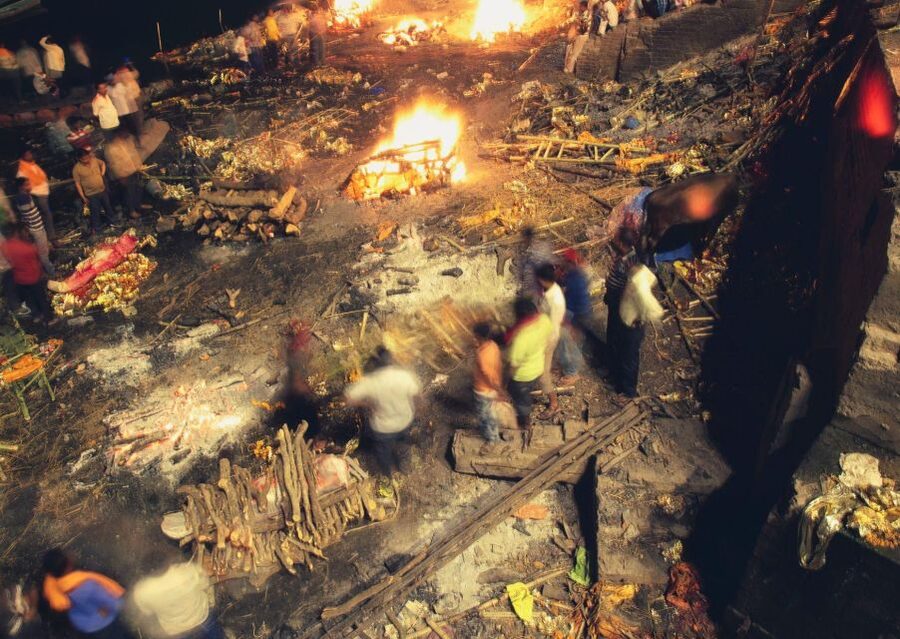
Manikarnika Ghat is the most sensitive stop on the route. It is considered the holiest among Varanasi’s sacred riverfronts and is closely connected with Hindu cremation practices.
You may see cremation rites taking place. One person on the walk saw a body being burned, which shows how direct this experience can be. This is not a theatrical presentation for visitors. It is a working religious site where families are carrying out an important final ritual.
Your guide’s role is especially valuable here. A good explanation can help you understand the spiritual ideas behind cremation without turning someone else’s grief into a photo opportunity. You should follow local instructions, avoid intrusive photography, and keep your manner quiet and respectful.
The subject can be confronting. If you want only temples, architecture, and river views, this may not be the right walk for you. If you want to understand why Varanasi is associated with death and rebirth, Manikarnika is the reason this tour has more weight than a standard city stroll.
The tour description uses the idea that people have consciously chosen Varanasi as a place to die for centuries. The walk presents that belief as part of the city’s spiritual identity. Your guide can explain how death here is understood within Hindu tradition, rather than treating it as a strange spectacle.
The old ghats and the walk along Kashi
After the main ghats, the route continues along other old riverfront sections. The exact path can vary, especially if your guide asks what interests you. That flexibility is one of the better features of this experience, but it also means your walk may not match another person’s route exactly.
You can expect more than two named stops. The point is to continue along the ghats of Kashi and connect the major sites with the wider life of the riverfront. Your guide may point out religious details, old lanes, temples, and places that are easy to miss when you walk without local help.
Anuj has taken people to additional temples and through less obvious corners of Varanasi. He has also added a visit to the university and an evening Ganga Aarti on a longer outing. These extras sound useful if you have several interests, but they also explain why you should agree on the plan at the beginning.
Manish has recommended a restaurant after the walk. Food is not included, yet a local suggestion can be handy when you are ready for a meal and unsure where to go. Treat any restaurant advice as a helpful option, not part of the paid tour.
One important limit is duration. The advertised time is two hours, but one outing lasted around an hour. Heat may have played a role, and the route can also change according to energy, weather, or added stops. If you want a full two-hour walk, confirm the expected route and start time with your guide.
Same roads, a different day in the saddle:
- Nahargarh Cycle Tour in Jaipur
★ 5.0 · 62 reviews - Full-Day Nandi Hills Countryside Tour by Bike
★ 5.0 · 54 reviews - Jaipur Cultural Cycling Tour
★ 5.0 · 35 reviews - Half-Day Food Tour with Cycle Rickshaw ride to Masterji Kee Haveli
★ 5.0 · 31 reviews
What the guide adds to the experience
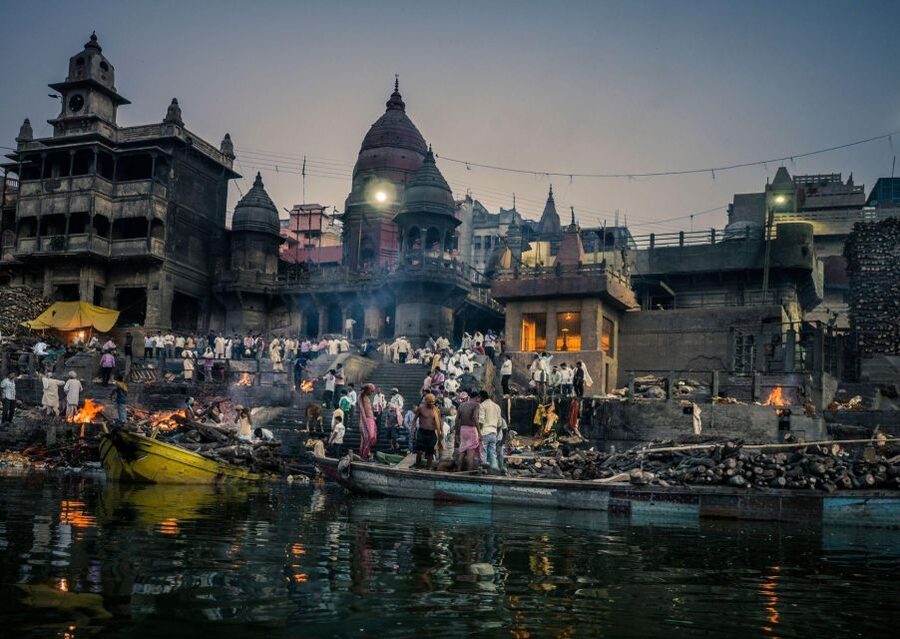
Varanasi is not difficult to find visually. The ghats, river, shrines, and narrow lanes are right in front of you. The difficult part is understanding what they mean.
That is where this tour earns its modest fee. The guide can explain why the Ganges is sacred, how Hindu beliefs connect life and death, and why daily rituals matter in Varanasi. You are not left to guess whether a ceremony is private, public, religious, or simply part of ordinary city life.
The strongest guiding appears to be personal rather than scripted. Manish has explained the city and Hinduism, while Anuj has asked what people want to see and adjusted the walk. If you have a particular interest, say so at the start. You might want more religion, more old lanes, more temples, or a practical food recommendation.
Language should be manageable for English-speaking visitors, since the guide service is offered in English and Hindi. The quality of your experience will still depend on the individual guide and the amount of time available. The names Manish and Anuj have both been associated with especially helpful walks, but you should not assume which guide you will receive.
Heat, timing, and the silk-shop concern
Varanasi can be hot, and the riverfront offers limited shade. The practical advice is simple: wear comfortable shoes, bring a hat, and use sunglasses. If you visit in June, a later start around 5 p.m. may be more pleasant than walking in the stronger daytime heat.
An evening start also gives you a chance to connect the walk with the Ganga Aarti, but the Aarti is not clearly part of the standard two-hour package. Ask before booking if you need that included.
There is one clear warning from the experience. A guide took one group to a silk place for an hour after the walk, and it felt like a typical tourist trap. A silk shop may interest you if you are actively shopping, but it should not replace the riverfront walk you paid for.
You can avoid confusion by saying that your priority is the ghats, Hindu traditions, and the cycle of life, death, and rebirth. Also ask whether any shopping stop is optional. A direct conversation at the start can protect your limited time.
Is $14 a fair price for this Varanasi walk?
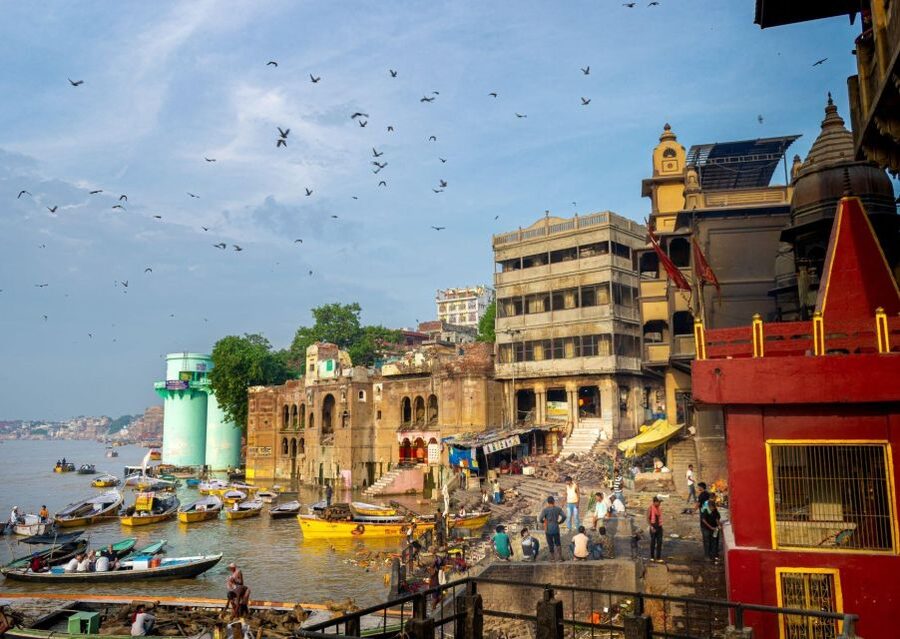
At $14 per person, this is a good-value introduction to the sacred center of Varanasi. You receive a live English or Hindi-speaking guide, local recommendations, and a focused route through the ghats. You do not pay separately for a museum ticket because the main experience is the city itself.
The price is most worthwhile if you are new to Varanasi and want help interpreting what you see. A solo walk along the riverfront costs less in theory, but you would miss the context that makes Dashashwamedh and Manikarnika meaningful.
The value drops if you expect a long, fixed itinerary with guaranteed extras. Hotel transport, food, drinks, and any additional activity are not included. The two-hour duration is also an estimate worth confirming, since one walk lasted about an hour.
Free cancellation up to 24 hours before the start gives you useful flexibility. You can also reserve and pay later, which helps if your train, hotel, or Varanasi schedule is still changing.
Who should book this experience?
I would choose this walk if you want a serious introduction to Varanasi’s religious identity and prefer a guide who can explain what you are seeing. It suits first-time visitors, people curious about Hindu customs, and anyone who wants to connect the ghats with ideas about death and rebirth.
It is also a good fit if you like asking questions and shaping a walk around your interests. Anuj’s willingness to add temples, lanes, the university, or Ganga Aarti shows what is possible when the schedule allows.
I would hesitate if you want a quiet architectural stroll or if cremation rites would be too upsetting. Manikarnika is an active site, and the experience can be emotionally strong.
Pregnant women are listed as unsuitable for this activity. The walk also requires enough comfort with heat, uneven city walking, and standing near the riverfront for parts of the route.
My recommendation for the Cycle of Life, Death, and Rebirth walk
Book this tour if you want meaning as well as sightseeing. Dashashwamedh gives you the sacred riverfront, Manikarnika brings you face to face with Varanasi’s beliefs about death, and the connecting lanes show how religion fits into daily life.
Choose a later start in hot weather, confirm whether the walk will run the full two hours, and make it clear that optional shopping is not your priority. With those expectations set, $14 buys a useful local introduction to one of India’s most powerful cities.
FAQ
Where does the tour meet?
The meeting point is the entrance gate of St. Thomas Church in Girja Ghar, Ramapura Luxa, Varanasi, Uttar Pradesh 221001.
How long does the tour last?
The advertised duration is two hours. One outing lasted about an hour, so you should confirm the expected length and route with your guide.
Which ghats are included?
The walk includes Dashashwamedh Ghat, Manikarnika Ghat, and other old ghats along the riverfront.
Will I see cremation ceremonies?
Manikarnika Ghat is an active cremation site, and you may see cremation rites there. The experience is not presented as a staged performance.
What languages does the guide speak?
The live guide service is available in English and Hindi.
Is hotel pickup included?
No. Hotel pickup and drop-off are not included. You must reach the meeting point at St. Thomas Church.
Is the Ganga Aarti included?
The standard information does not confirm the Ganga Aarti as part of every tour. Anuj has included it on a longer, customized outing, so ask before booking if you want to attend.
Can I cancel the booking?
You can cancel up to 24 hours in advance for a full refund. A reserve-now, pay-later option is also available.
Just added around India
- Cycle of Life, Death & Rebirth (2 Hours Guided Walking Tour)★ 4.5 · 10 reviews
- Udaipur Countryside Electric Cycle Tour★ 5.0 · 8 reviews
- Ebike Tour of Chorao Island with Cycling Zens★ 5.0 · 26 reviews
- Premium Hidden Jewels of Delhi Cycling Tour – The First Chapter of Delhi★ 5.0 · 10 reviews
- Delhi Rickshaw Tour: Explore Old Delhi Hertiage by Cycle Rickshaw★ 5.0 · 2 reviews
- New Delhi Cycle Tour★ 5.0 · 7 reviews
- Half-Day Premium Delhi Heritage Cycling Tour – An Illustrious Tryst with time★ 5.0 · 3 reviews
- Delhi Starry Night Cycling Tour★ 5.0 · 3 reviews
Cycling Tours, compared.
Ninh Binh Day Trip: Hoa Lu-Trang An/Tam Coc-Mua Cave-Cycling-Boat
Read our review →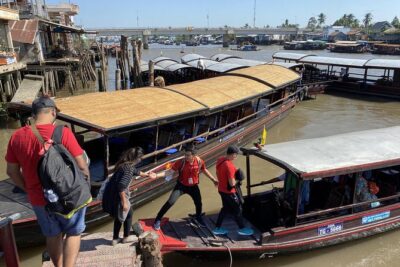
Cai Be Mekong Delta Tour: Cooking Class, Cycling & Craft Villages
Read our review →

Countryside Bike Tour from Amsterdam: Cheese, Clogs & a Windmill
Read our review →
Electric Cycling Tour of Ubud with Free Hotel Transfer and Lunch
Read our review →


Browse the lists this tour appears in