
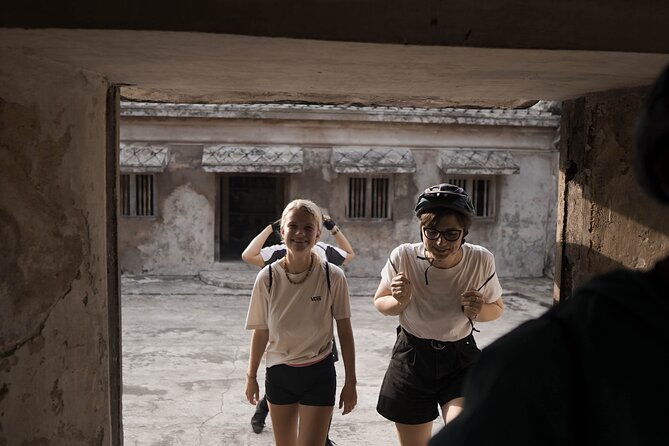
Review · YOGYAKARTA
Jogja Hidden Gems – Cycling Tour
Yogyakarta’s best stories often sit behind its main streets. This three-hour ride takes you through Kalicode riverside areas, quiet kampung lanes, royal grounds, a Chinese temple, Tamansari, and the streets around the Kraton. It is less about checking off grand monuments and more about seeing how Jogja works day to day.
I like the way the tour links local life with royal culture, and I like that the guide explains Javanese customs, script, and city life while you ride. The main thing to consider is the 11-kilometer distance and moderate fitness requirement. You will be cycling in a warm city, so this is not a passive sightseeing trip.
Key points to know before booking
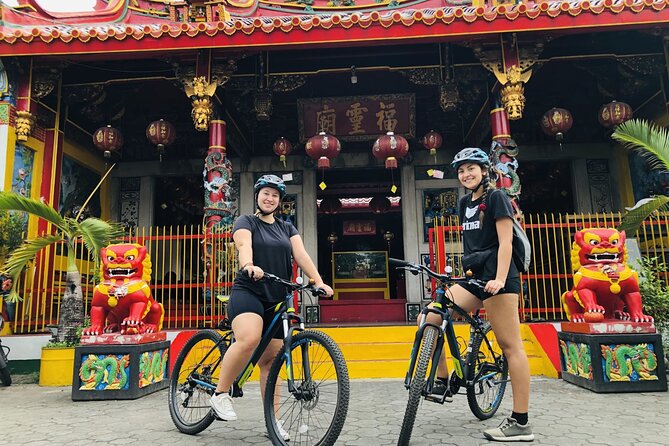
- An 11km route through everyday Jogja: Riverside paths, narrow neighborhood lanes, kampung life, and central landmarks create a varied ride.
- A useful local guide: Guides such as Alfat explain Yogyakarta’s past and present in a friendly, clear way.
- Royal Jogja without a full palace tour: You get a short visit around the Kraton area and a look at places connected with the Sultanate.
- Small cultural touches: Local snacks, drinks, Javanese script, a Chinese temple, and the Masangin banyan-tree tradition give the ride character.
- A small shared group: The maximum is 10 people, which should make it easier to ask questions and keep the ride together.
- Sustainable by design: Your bicycle, helmet, eco-string bag, local guide, and sustainability action fund are included in the $45 price.
Why this ride shows more than central Jogja
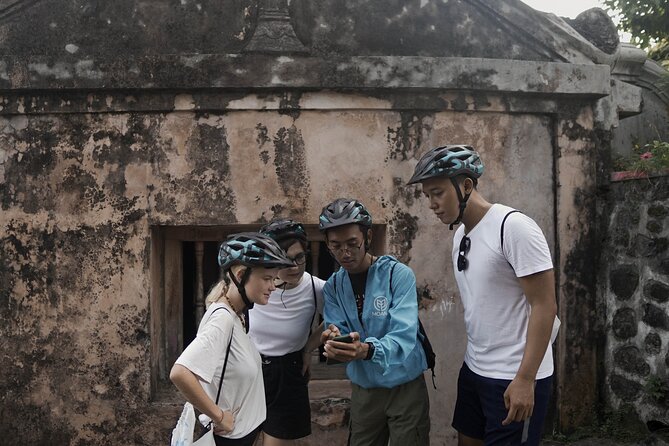
Yogyakarta is often introduced through its major sights, but its personality is just as clear in the lanes between them. This tour uses a bicycle to connect those pieces. You begin near Prawirotaman, then move toward riverside areas and older neighborhoods where daily routines matter more than formal monuments.
That change of pace is the main appeal. A car or motorbike can carry you across town quickly, but it can also leave you looking at Jogja through a window. On a bicycle, you move slowly enough to notice the shape of the neighborhoods, the small streets behind the main roads, and the mix of urban life around the river.
The ride is described as a sharing tour with no more than 10 people. That group size is worth noting. It is large enough to keep the price at a reasonable level, but small enough for a guide to explain details without addressing a crowd. If your guide is Alfat, you can expect a strong focus on Yogyakarta’s history, local customs, and everyday kampung life.
The tour runs in two time slots: 7:00 to 10:00 in the morning or 14:30 to 17:30 in the afternoon. The morning ride gives you a cooler start and an early look at the city. The afternoon option lets you sleep later and finishes toward evening, but you should expect more heat during the first part of the ride.
A few more rides around Indonesia worth a look
- Electric Cycling Tour of Ubud with Free Hotel Transfer and Lunch
★ 5.0 · 1,397 reviews - Menoreh Village Cycling
★ 5.0 · 611 reviews - Ubud: Downhill Cycling with Volcano, Rice Terraces and Meal
★ 5.0 · 536 reviews
Starting at MOANA Hub Prawirotaman
The meeting point is MOANA Hub at Jl. Gerilya No. 646 in Brontokusuman, Mergangsan. The activity begins and ends at this same location. Pickup and drop-off are not included, so plan your own way to Prawirotaman.
The area is near public transportation, which helps if you are staying elsewhere in Yogyakarta. Still, check your route before setting off. A cycling tour is much easier when you arrive with enough time to register, adjust your bicycle, and listen to the safety briefing without rushing.
You can choose between a mountain bike and a city bike. The mountain bike may suit you if you prefer a sturdier ride on mixed surfaces, while the city bike may feel more natural for ordinary streets and relaxed riding. The provided helmet is included, and wearing it is a sensible choice even if you are used to cycling at home.
The tour also provides an eco-string bag. It is a small detail, but a useful one for carrying personal items or snacks without adding disposable plastic to the ride.
Following the Kalicode riverside areas
The route begins along the riverside areas of Kalicode in the city center. This is an important opening because it moves you away from the standard approach to Yogyakarta. Instead of starting with a large landmark, you begin with the city’s lived-in edges.
Riverside neighborhoods can show how urban life fits into a limited space. You may see a mix of homes, lanes, bridges, and public areas as the guide explains how people live in these parts of town. The point is not to treat the neighborhood as a backdrop. It is to understand the city through its people and routines.
The route also brings you into small streets behind the main roads. These lanes are a major reason to choose the bicycle format. A coach cannot use them, and a walking tour would cover less ground. Cycling gives you both access and range.
You should keep your expectations practical. This is not a scenic countryside ride, and the route does not promise long stretches of open nature. It is an urban ride with riverside sections, neighborhood streets, and cultural stops. That mix is the attraction.
Kampung life and local conversation
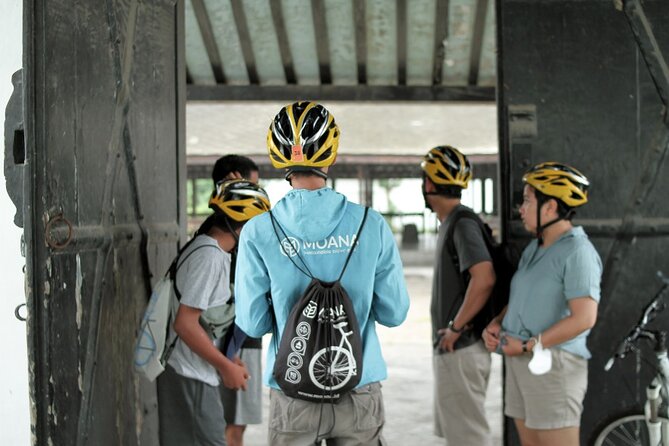
One of the strongest parts of the experience is the attention given to kampung life. In Yogyakarta, a kampung is more than a residential area. It is part of the city’s social fabric, with its own lanes, homes, traditions, and shared routines.
Your guide helps explain what you are seeing rather than simply pointing at it. This matters because ordinary streets can be easy to overlook. With context, a narrow lane or local gathering place becomes part of a larger picture of how Jogja functions.
The tour also aims to introduce you to local people and urban living. That does not mean you should expect a formal meeting or a staged performance. The value lies in seeing a side of Yogyakarta that is harder to find if you stay only around major attractions.
A guide who can answer questions makes a real difference here. Alfat is one named guide associated with the experience, and his approach includes history, daily life, and local customs. You should use the chance to ask about the Sultanate, the neighborhoods, and Javanese culture while the places are in front of you.
Same roads, a different day in the saddle:
- Half-Day Ubud Electric Cycling Tour to Tirta Empul Water Temple
★ 5.0 · 315 reviews - Kintamani Cultural and Nature Cycling Tour ( Manual Bike )
★ 5.0 · 257 reviews - Bali Countryside Cycling Tours
★ 5.0 · 246 reviews - Half Day Cycling Tour ( Manual Bike )
★ 5.0 · 225 reviews
Royal Jogja around the Kraton and Tamansari
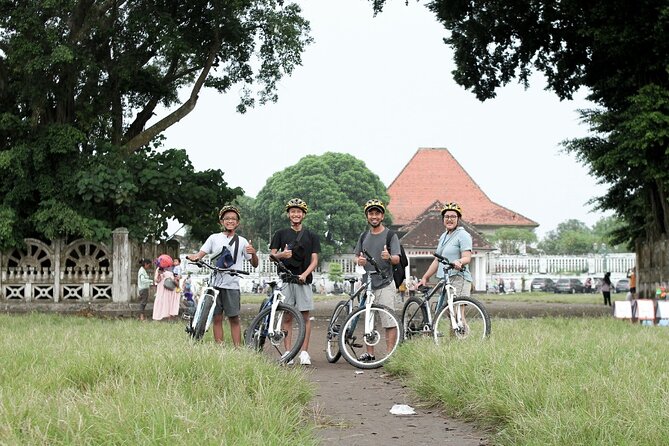
Yogyakarta remains unusual in Indonesia because its Sultan serves as both king and governor. The tour uses that fact as a way into the city’s political and cultural identity. You are not simply looking at old buildings. You are seeing a city where royal tradition still has a role in public life.
The ride includes a short visit to the Kraton area. The wording matters. This is not presented as a long palace visit or a full museum program. You should see it as a brief introduction to the royal center, combined with explanations from the guide.
That format suits people who want context without spending an entire day inside formal attractions. It may disappoint you if your main goal is a detailed palace tour with extensive time for architecture and collections. The reward is the connection between the royal grounds and the neighborhoods around them.
Tamansari is also included as a short visit. The former royal garden area is one of Yogyakarta’s best-known historic places, and a quick stop gives the ride another layer. Again, the tour is designed to connect places rather than linger at one site for hours.
The useful question is not how many minutes you get at each landmark. It is how the guide ties the Sultanate to the city you are cycling through. That broader link is where this tour earns its place alongside a separate Kraton or Tamansari visit.
A Chinese temple and Yogyakarta’s mixed identity
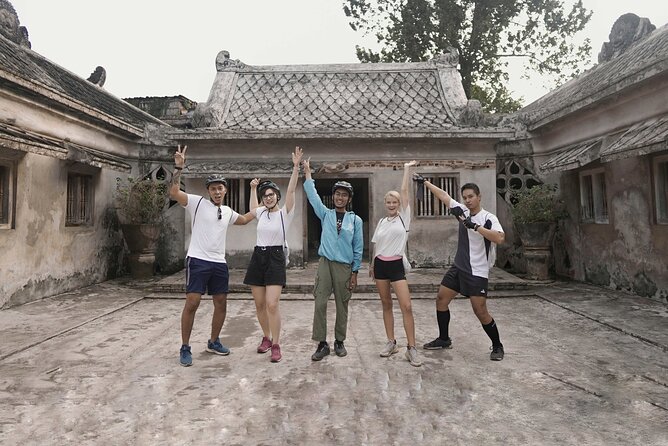
The route includes a Chinese temple, adding a different cultural thread to the ride. This is a welcome choice because Yogyakarta is not defined by one tradition alone. The city’s streets reflect several communities and influences, and the temple gives you a chance to consider that wider picture.
You should expect a short cultural stop, not a long religious study. The tour does not specify the temple’s name or the length of the visit, so it is best to treat it as one part of a varied route.
The stop also helps break up the royal focus. You move from the Sultanate to a place connected with another community, then continue through ordinary urban streets. That combination makes the tour feel more like a city introduction than a single-theme excursion.
Snacks, drinks, and Javanese script
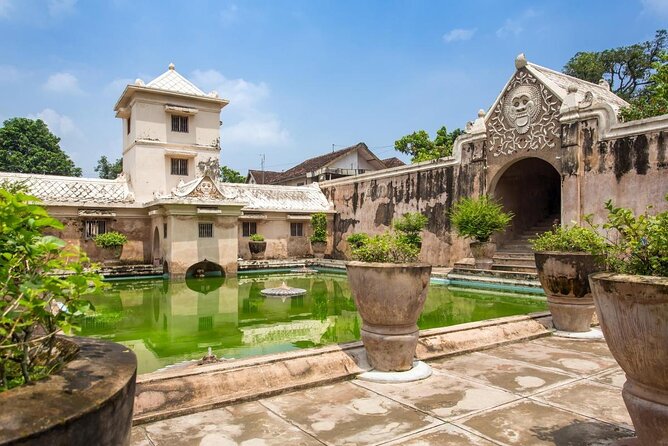
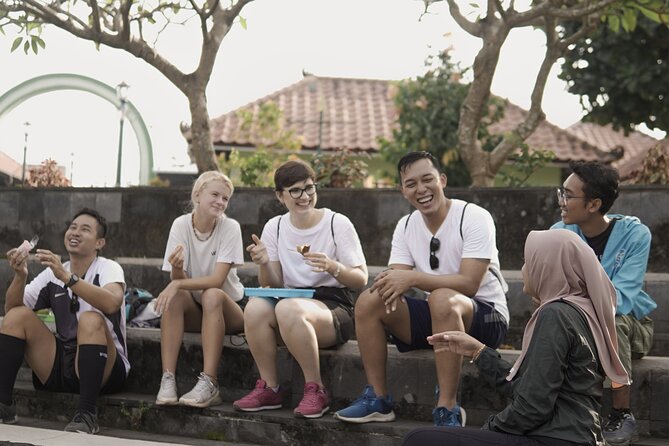
Food is handled in a simple, useful way. Refreshing drinks and local snacks are included, giving you a taste of regional habits without turning the ride into a restaurant tour. The exact snacks are not specified, so do not book this expecting a full meal or a set tasting menu.
The refreshment stop matters because three hours on a bicycle can feel different from three hours on foot. A drink and a small snack offer a break, especially during the afternoon departure. You should still eat beforehand if you need a substantial breakfast or lunch.
The guides also introduce Javanese culture and script. This is one of the more thoughtful details in the tour. A script lesson can seem small, but it offers a direct way to connect language with identity. You leave with more than a list of places because you have encountered a written tradition that is specific to the region.
The explanations are led by local experts who care about the city. That local connection is central to the experience. The ride works best when you are curious and willing to ask questions, not when you treat the guide as a moving audio recording.
The Masangin banyan-tree tradition
Near the end of the cultural route, you get a chance to experience Masangin between the banyan trees. This is one of the tour’s most memorable details because it adds a playful local tradition to the historical material.
The activity is simple, but it gives the ride a shared moment that is different from looking at a building. Your guide can explain the tradition and help you understand why it matters in the setting around the royal grounds.
Do not expect a major attraction with a long queue or a formal performance. Masangin is a short experience within the larger ride. Its value comes from the setting and the chance to take part in something associated with local culture.
What the $45 price includes
At $45, the tour is not the cheapest way to see Yogyakarta. You are paying for more than bicycle use, though. The fee covers the bike, helmet, guide, road captain, eco-string bag, refreshments, local cultural explanations, and a contribution to a sustainability action fund.
The road captain is useful on a shared cycling route because someone has responsibility for keeping the group moving together. With up to 10 people, this should make the ride easier to manage than an informal rental.
The value depends on what you want from a city tour. If you only need a bicycle for a few hours, renting one independently will cost less. If you want access to small streets, help with navigation, local interpretation, and a planned route linking the river, kampung areas, royal sites, and cultural stops, the $45 becomes easier to justify.
The sustainability fund also gives the price a wider purpose. The details of the fund are not specified, so you should not assume a particular project. Still, it is a positive feature for anyone who wants part of the cost to support responsible tourism.
Timing, fitness, and the practical drawbacks
The tour lasts about three hours and covers 11 kilometers. That is a manageable distance for many people who cycle regularly, but the operator asks for moderate physical fitness. You need to be comfortable riding for several hours, stopping and starting in an urban setting, and handling the warm conditions common in Yogyakarta.
The route uses mountain bikes or city bikes, but no electric bicycle option is listed. If you rarely cycle, the distance may feel more demanding than it looks on paper. Ask about the bike fit when you arrive and choose the style that feels most natural.
The two departure times give you useful flexibility. The 7:00 morning tour is likely the better choice if you want a cooler ride. The 14:30 afternoon tour may fit your schedule better, but bring water and be ready for stronger heat.
This is a shared activity, so the pace is not entirely yours. You may need to wait for the group, and the guide must balance different riding speeds. The maximum of 10 keeps the group fairly small, but it does not turn the tour into a private experience.
Free cancellation is available if you cancel at least 24 hours before the start time. Cancellations or changes made later are not accepted for a refund, and the cut-off uses local time.
Who should book this cycling tour
I would choose this for someone visiting Yogyakarta who wants an introduction to the city beyond its headline attractions. It suits you if you enjoy local stories, small lanes, modest food stops, and a guide who explains how history connects with modern life.
It is also a good first or second-day activity. The route can help you understand the city’s layout and give you ideas for places to revisit later, such as the Kraton area or Tamansari.
You should think twice if you dislike cycling in towns, need private transportation, or want a full day focused on palace architecture. The short royal stops will not replace dedicated visits to those sites. The tour is strongest as a cultural overview on two wheels.
Should you book the Jogja Hidden Gems Cycling Tour?
Book it if you want to see Yogyakarta through its neighborhoods, riverside areas, royal traditions, and local food rather than through major sights alone. The combination of kampung life, a Chinese temple, Javanese script, Tamansari, Masangin, and small snacks gives the three hours a clear sense of place.
The best practical choice is the morning departure if you are sensitive to heat. Arrive at MOANA Hub Prawirotaman prepared to cycle 11 kilometers, and remember that you will return to the meeting point rather than receive hotel transport.
For $45, this is good value when you want interpretation and access, not just a bicycle. It is less suitable if you want a gentle sightseeing ride with little physical effort. For an active introduction to Jogja with a friendly local guide such as Alfat, it is an easy tour to recommend.
FAQ
Where does the cycling tour start and finish?
The tour starts at MOANA Hub, Jl. Gerilya No. 646, Brontokusuman, Mergangsan, Yogyakarta. It ends back at the same meeting point.
How long is the tour?
The experience lasts about three hours and covers approximately 11 kilometers.
What departure times are available?
You can choose a morning tour from 7:00 to 10:00 or an afternoon tour from 14:30 to 17:30.
What type of bicycle is provided?
You can use either a mountain bike or a city bike. A helmet is also included.
What is included in the $45 price?
The price includes the bicycle, helmet, eco-string bag, local guide experience, refreshments, snacks, road captain, and sustainability action fund.
Is hotel pickup included?
No. Pickup and drop-off services are not included. You need to reach the MOANA Hub meeting point yourself.
Can I cancel for a full refund?
Yes, if you cancel at least 24 hours before the experience start time. Cancellations or changes made less than 24 hours before the start time are not eligible for a refund.
Just added around Indonesia
- Yogyakarta: Countryside Cycling and Cooking Class Experience★ 4.9 · 8 reviews
- Yogyakarta: Countryside Village Cycling Tour With Guide★ 5.0 · 16 reviews
- Ubud: Kintamani Downhill Cycling with small group & Private★ 5.0 · 4 reviews
- Bali: Mountain Bike Tour and River Rafting with Lunch★ 5.0 · 3 reviews
- Ubud: Half-Day Tegallalang Electric Cycling Tour★ 4.9 · 24 reviews
- Ubud: Downhill Countryside Cycling From Kintamani★ 4.5 · 4 reviews
- Ubud: Cycling Tour Local Villages, Temple, and Rice Field★ 4.8 · 12 reviews
- Ubud Cycling Tour : All Inclusive Cycling Adventure★ 4.2 · 7 reviews
Cycling Tours, compared.
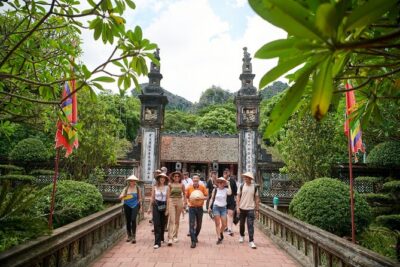
Ninh Binh Day Trip: Hoa Lu-Trang An/Tam Coc-Mua Cave-Cycling-Boat
Read our review →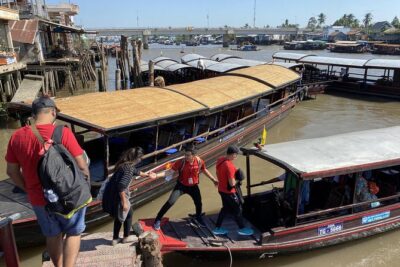
Cai Be Mekong Delta Tour: Cooking Class, Cycling & Craft Villages
Read our review →
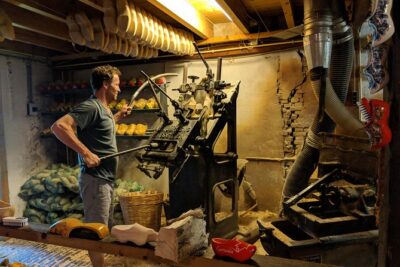
Countryside Bike Tour from Amsterdam: Cheese, Clogs & a Windmill
Read our review →
Electric Cycling Tour of Ubud with Free Hotel Transfer and Lunch
Read our review →

Browse the lists this tour appears in