
Review · SEMINYAK
Kaba Kaba Reason for Harmony Cycling
The best part of the Kaba Kaba Reason for Harmony Cycling tour is its quiet, close-up view of rural Bali. Instead of staying around Seminyak’s busy streets, you pedal through village lanes, rice fields, and old local sites while farmers work nearby. The morning also brings a useful look at how Balinese communities balance modern pressures with long-held customs.
I like the small maximum group of eight, which should make it easier to hear the guide and ask questions. I also like the simple extras: snacks, young coconut water, bottled water, and all bike equipment are included. The main consideration is the early start and the active nature of the tour. You need to reach Kaba Kaba by 8:00 am, wear sport shoes, and be comfortable cycling for several hours.
Key points to know before you book
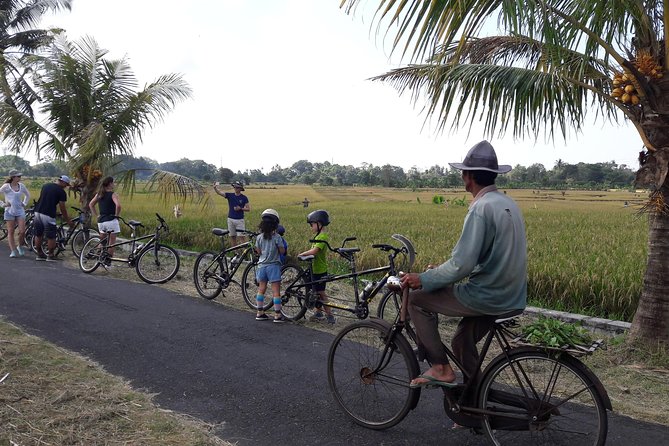
- Rural Kaba Kaba setting: You cycle through quiet country lanes rather than staying in Seminyak.
- Working rice fields: Farmers may be tending the paddies as you pass, giving the ride a direct connection to daily village life.
- Cultural stops: The route includes ancestral sites, a river, and a water temple among the fields.
- Small group size: The tour accepts no more than eight people.
- Useful inclusions: Bikes, safety equipment, snacks, young coconut water, and bottled water are provided.
- Easy cancellation window: You can receive a full refund if you cancel at least 24 hours before the 8:00 am start.
Why this ride gives you a different Bali morning
Seminyak is handy for restaurants, shops, and beach access, but it gives only a narrow view of Bali. Kaba Kaba offers a change of pace. The roads are described as quiet country lanes, so you can focus on fields, village life, and mountain views instead of traffic and commercial streets.
The tour is not just a bike rental with a route map. A guide accompanies you and explains the places you pass, including how different groups have settled in the area and how Balinese social life is organized. That context matters. Rice fields are attractive, but the ride becomes more useful when you understand the work behind them and the customs that help communities manage shared water and land.
The tour currently carries a five-star rating from four published ratings, including a family account that praised the chance to see everyday village life and learn along the way. That fits the design of the experience: this is a cultural outing with cycling as the way you move between places.
A few more rides around Indonesia worth a look
- Electric Cycling Tour of Ubud with Free Hotel Transfer and Lunch
★ 5.0 · 1,397 reviews - Menoreh Village Cycling
★ 5.0 · 611 reviews - Ubud: Downhill Cycling with Volcano, Rice Terraces and Meal
★ 5.0 · 536 reviews
Starting at 8:00 am in Kaba Kaba
You meet at Yayasan Manu Widya Narayana in Br. Tegal Kepuh, Kaba Kaba, in Tabanan Regency. The meeting point is also the return point, which keeps the morning fairly straightforward once you arrive.
The program begins with complimentary coffee and tea. This is a small touch, but it gives you time to settle in before the ride rather than climbing on a bicycle the moment you arrive. Breakfast is not included, so you should plan your morning meal before the activity or bring enough food to stay comfortable. Snacks are supplied later, but they are not a replacement for breakfast.
At about 8:45 am, you choose and adjust your bike. The guide then gives a safety briefing before the ride begins at around 9:00 am. The 45-minute gap between arrival and cycling is useful because it allows for equipment checks and orientation.
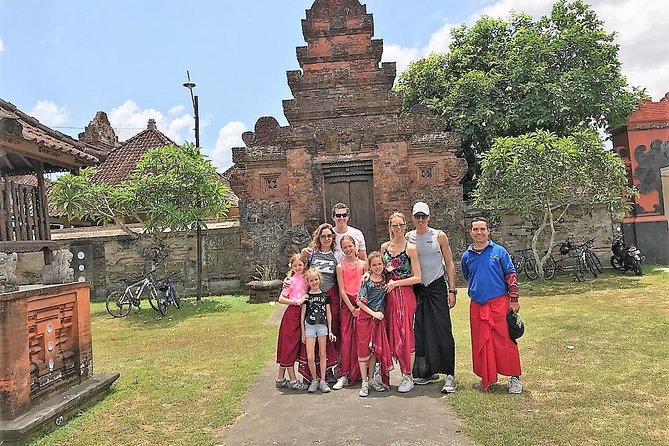
You should wear sport shoes and clothing suited to cycling through villages and visiting local places. A hat or cap and sunscreen are specifically recommended. The dress guidance also asks you to dress appropriately because the route passes through local communities and includes cultural sites.
Kaba Kaba’s ancestral places and wide mountain views
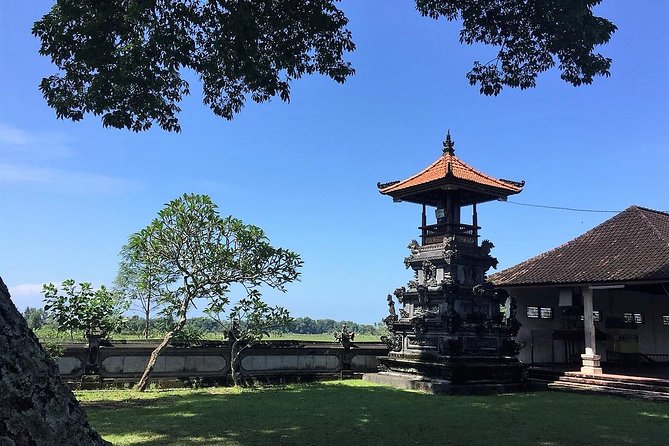
The first riding section explores Kaba Kaba’s ancestral sites. The guide also discusses the mix of people who have settled in the area, giving you a broader sense of the village than a quick photo stop would provide.
This part should appeal to you if you prefer a tour that explains its setting instead of treating the countryside as scenery only. The ride links physical places with questions about settlement, tradition, and community life. You are not simply passing houses and fields. You are learning why this part of Bali developed as it did.
The views extend across the rice fields toward the mountains. On a clear morning, this should be one of the more memorable visual parts of the route. The appeal comes from the combination of open paddies and distant peaks, with the bicycle giving you a slower pace than a car.
Still, the tour does not promise a challenging mountain ride or a dramatic adventure course. It is better suited to people seeking a gentle cultural outing than to cyclists looking for intense exercise. The exact road surface and elevation are not specified, so you should not book it expecting a technical cycling experience.
A shaded river break at about 10:00 am
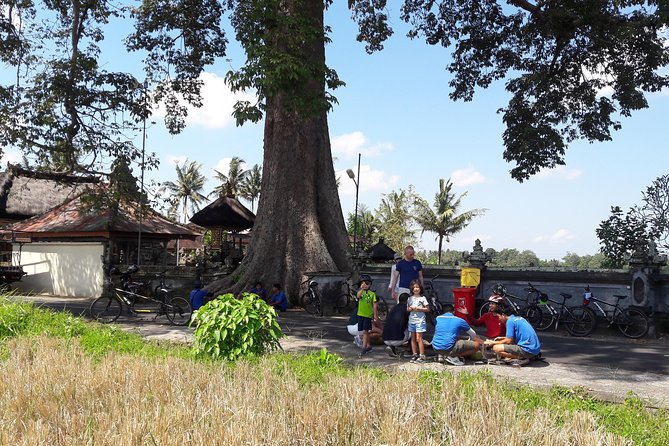
At around 10:00 am, you walk to the river that protects the area. The plan includes a short rest under shade while the guide explains how social life in Bali is organized.
This pause gives the morning a good rhythm. After the first hour on the bike, you get off the saddle, cool down, and listen. The river stop also adds a natural feature to the cultural story. Instead of receiving all the information while riding, you have a quiet place to stop and take it in.
The wording about the river protecting the area suggests that water and geography have a role beyond scenery. The guide’s explanation of Balinese social organization should help connect local customs with the way communities function. This is one of the tour’s stronger features for anyone who wants more than a pleasant ride through fields.
The break is described as brief, so you should not expect a long swim or a full riverside picnic. The tour includes bottled water and young coconut water, which help with the warm morning conditions, but you should still arrive prepared for outdoor activity.
Same roads, a different day in the saddle:
- Half-Day Ubud Electric Cycling Tour to Tirta Empul Water Temple
★ 5.0 · 315 reviews - Kintamani Cultural and Nature Cycling Tour ( Manual Bike )
★ 5.0 · 257 reviews - Bali Countryside Cycling Tours
★ 5.0 · 246 reviews - Half Day Cycling Tour ( Manual Bike )
★ 5.0 · 225 reviews
The water temple among the rice fields
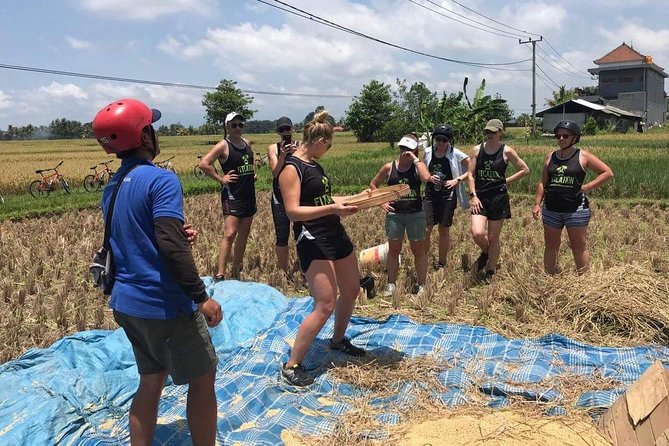
At about 10:30 am, you continue closer into the rice fields to a water temple among the paddies. This is an important stop because it brings together Bali’s farming life and religious practice in one place.
Water temples are tied to the way water is managed and shared, so the stop gives the guide a natural opening to explain why irrigation and ceremony matter in Bali. You see the fields as working spaces, not just green backdrops, and you learn how local traditions relate to them.
The tour description also mentions options to visit a sacred spring and water temple. The precise conditions for the optional visit are not given, so you should confirm the details with the operator if the spring is a deciding factor for you. The water temple itself is part of the stated route, while the sacred spring is presented as an option.
Dress matters here. The tour asks you to wear appropriate clothing because you visit local villages and cultural places. Sport shoes are required for the cycling portion, and practical clothing will make walking around the fields more comfortable.
Seeing farmers at work, not just rice fields
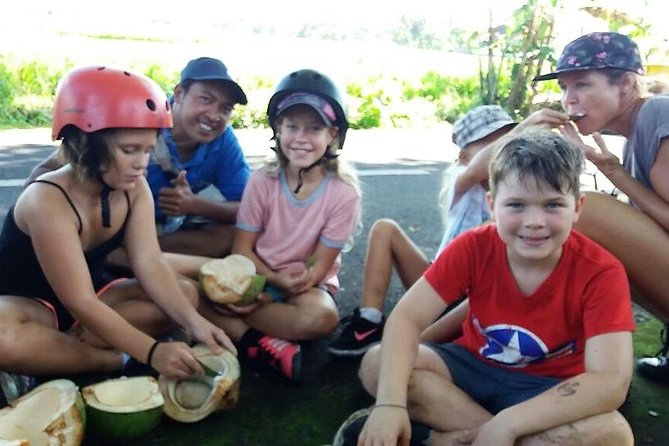
One of the most useful aspects of the ride is the chance to pass farmers while they work. That gives you a direct view of the effort behind Bali’s famous rice-growing areas.
The timing helps. You start cycling at about 9:00 am, so the morning route is designed around an active part of the day rather than a late sightseeing window. You might see ordinary farm work taking place as you move through the paddies, though the exact activity will depend on the season and the day.
This kind of encounter works best when you treat the countryside as a lived-in place. Keep your pace controlled, follow the guide’s instructions, and remember that the fields and lanes are part of local daily life. The tour’s value comes from respectful access, not from turning village work into a staged show.
The family feedback included with the experience praised the chance to see everyday life in a village. That is a useful clue about the tour’s tone. It aims for observation and explanation rather than a packed list of major attractions.
The historic Kaba Kaba building complex
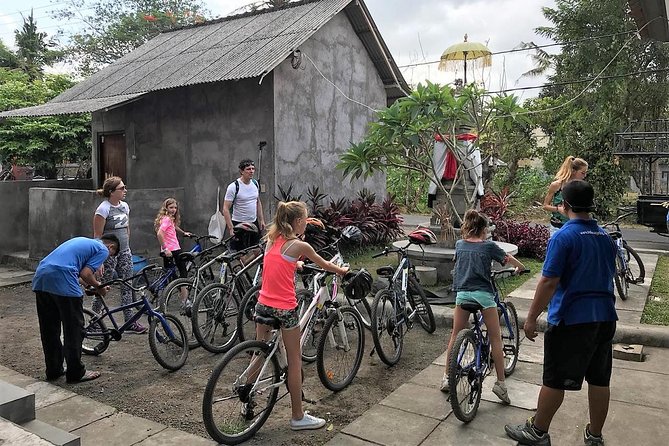
The route also explores the historic building complex at Kaba Kaba. The supplied details do not specify every building or the length of the visit, so you should expect the guide to interpret the complex on site rather than plan around a fixed list of rooms or monuments.
This stop adds an architectural and historical layer to the morning. The rice fields show how people use the land today, while the building complex points to older patterns of community and local identity. Together, the stops make the experience feel more rounded than a ride focused only on scenery.
If you enjoy taking photographs, this may be a strong part of the tour, but you should also listen to the explanations. The stated goal is to learn about the area’s history and changing way of life. You get more from the visit if you pay attention to how the buildings connect to the surrounding village.
What the $21.94 price includes
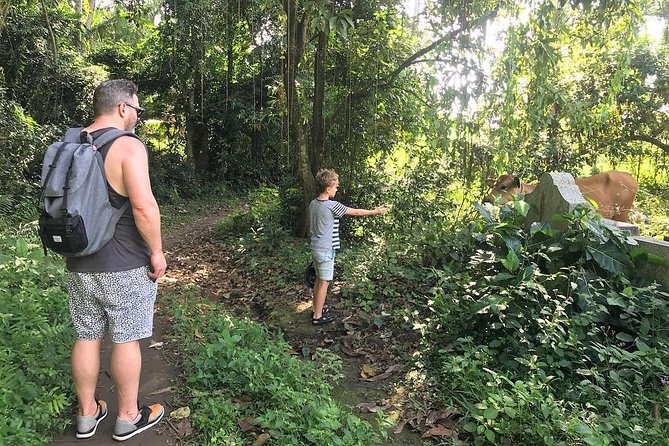
At $21.94 per person, this is a modestly priced half-day activity. The value comes from the combination of a guide, bicycle, safety equipment, refreshments, and access to a route that would be difficult to understand fully on your own.
The included items are:
- Guided cycling
- All bike equipment
- Safety equipment
- Snacks
- Young coconut water
- Bottled water
Lunch and breakfast are not included, and personal expenses are also separate. Since the activity ends back at the starting point after about four to five hours, you can plan a meal afterward rather than carrying lunch through the route.
The price is especially reasonable if you want a structured morning with cultural interpretation. It is less compelling if you only want to rent a bicycle and ride independently, since the main benefit here is the guide’s explanation of ancestral sites, farming, water, and village life.
Group size, pace, and physical demands
The maximum group size is eight people. That is small enough for a more personal briefing and should help keep the group together on narrow village lanes. It also gives you a better chance to ask questions without competing with a large crowd.
The tour runs for about four to five hours, with roughly one hour between the 9:00 am start and the river break, followed by more cycling and cultural stops. You need enough stamina for a morning of riding and walking, but the available information does not describe the route as strenuous.
Most people can participate, according to the supplied activity details. Even so, you should judge that against your own comfort with cycling outdoors in Bali’s warm conditions. Bring sunscreen, wear a hat or cap, and use sport shoes. The provided safety equipment is helpful, but it does not remove the need for sensible clothing and hydration.
Because the route uses quiet rural lanes, you should expect the experience to feel less controlled than riding on a closed course. Follow the safety briefing and stay with the group. Exact road conditions, bicycle types, and elevation details are not provided.
Who will enjoy this Kaba Kaba cycling tour
I would point this tour toward you if you want to see a quieter side of Bali while still having a guide to explain what you are seeing. It suits couples, families, and small groups who enjoy modest physical activity mixed with culture.
It is a particularly good match for:
- Families seeking a morning activity with learning and scenery
- First-time visitors who want context for rice farming and village life
- Active visitors who prefer cycling to sitting in a vehicle
- People interested in Balinese water traditions and local customs
- Anyone staying near Seminyak who wants a rural change of scene
It may not suit you if you want a beach-based activity, a long lunch, a major temple complex, or a demanding cycling challenge. The experience is built around ordinary rural places and guided interpretation, not high-speed riding or a long list of famous sights.
Practical details before you reserve
The start time is 8:00 am, and the meeting point is Yayasan Manu Widya Narayana, Br. Tegal Kepuh, Kaba Kaba, Kec. Kediri, Kabupaten Tabanan, Bali 80351, Indonesia. You return to this same meeting point at the end.
A mobile ticket is available. Booking confirmation is normally received at once, but bookings made within three days of travel may take up to 48 hours to confirm and remain subject to availability.
Free cancellation is available up to 24 hours before the local start time for a full refund. Cancellations or changes made less than 24 hours before the start are not accepted for a refund. That policy gives you some flexibility, but the 8:00 am cutoff makes it wise to decide the day before if your plans are uncertain.
Should you book the Kaba Kaba ride?
Book it if you want a small-group morning in rural Bali with cycling, rice fields, village history, and explanations of water and community life. The price is fair for the guide, equipment, refreshments, and four to five hours of organized activity.
I would choose this over a standard sightseeing loop if your priority is seeing how people live and work away from the resort areas. Just remember that breakfast and lunch are not included, the ride starts early, and the route is cultural rather than athletic. Bring sunscreen, a hat, suitable clothes, and a willingness to ride at an easy pace through working countryside.
FAQ
Where does the cycling tour start?
It starts at Yayasan Manu Widya Narayana, Br. Tegal Kepuh, Kaba Kaba, Kec. Kediri, Kabupaten Tabanan, Bali 80351, Indonesia.
What time should I arrive?
The meeting time is 8:00 am.
Where does the tour finish?
The activity ends back at the same meeting point in Kaba Kaba.
How long does the tour last?
The tour lasts approximately four to five hours.
What is included in the price?
The price includes a guide, all bike equipment, safety equipment, snacks, young coconut water, and bottled water.
Is breakfast included?
No. Breakfast is not included.
Is lunch included?
No. Lunch is not included.
What should I wear?
Wear sport shoes and clothing suitable for cycling through the countryside and visiting local villages. A hat or cap and sunscreen are recommended.
How many people can join the tour?
The maximum group size is eight people.
Can I cancel for a full refund?
Yes. You can cancel at least 24 hours before the local start time for a full refund. Changes or cancellations made less than 24 hours before the start are not accepted for a refund.
Just added around Indonesia
- Yogyakarta: Countryside Cycling and Cooking Class Experience★ 4.9 · 8 reviews
- Yogyakarta: Countryside Village Cycling Tour With Guide★ 5.0 · 16 reviews
- Ubud: Kintamani Downhill Cycling with small group & Private★ 5.0 · 4 reviews
- Bali: Mountain Bike Tour and River Rafting with Lunch★ 5.0 · 3 reviews
- Ubud: Half-Day Tegallalang Electric Cycling Tour★ 4.9 · 24 reviews
- Ubud: Downhill Countryside Cycling From Kintamani★ 4.5 · 4 reviews
- Ubud: Cycling Tour Local Villages, Temple, and Rice Field★ 4.8 · 12 reviews
- Ubud Cycling Tour : All Inclusive Cycling Adventure★ 4.2 · 7 reviews
Cycling Tours, compared.
Ninh Binh Day Trip: Hoa Lu-Trang An/Tam Coc-Mua Cave-Cycling-Boat
Read our review →
Cai Be Mekong Delta Tour: Cooking Class, Cycling & Craft Villages
Read our review →
Countryside Bike Tour from Amsterdam: Cheese, Clogs & a Windmill
Read our review →
Electric Cycling Tour of Ubud with Free Hotel Transfer and Lunch
Read our review →

Browse the lists this tour appears in