
Review · CYCLING TOURS
4-Day Inca Jungle Adventure, Mountain Biking, Rafting and Zipline
The best thing about this Inca Jungle adventure is the variety. In four busy days, you move from a high Andean pass at 4,316 meters to warm river valleys, coffee farms, thermal pools, train tracks, and finally Machu Picchu. It is an active alternative to the classic Inca Trail, with wheels, water, cables, and plenty of walking.
I like the downhill bike ride from Abra Málaga and the long walk through tropical farms, where coffee, coca, bananas, papaya, citrus, pineapple, and mango grow along the route. I also like that the tour keeps the group small, with a maximum of 15 people, and includes three nights of lodging, meals, guides, transport, and the train to Ollantaytambo.
The main catch is that this is not a polished comfort tour. The hostels can be basic, food portions may be modest, and the final day starts very early. You must also budget extra for Machu Picchu admission, the bus up to the citadel, and any Huayna Picchu ticket.
Key points to know before booking
- A downhill start from 4,316 meters: The first day begins at Abra Málaga, then drops toward the warmer jungle by bicycle.
- Four kinds of adventure: Cycling, rafting, ziplining, and hiking are combined with a cultural visit to Machu Picchu.
- Long but manageable walking days: Expect roughly five hours of hiking on Day 2 and a long river-and-rail-track walk on Day 3.
- Basic overnight stays: Lodging and meals are included, but this is simple hostel accommodation rather than a comfort-focused trip.
- Machu Picchu costs extra: The main entrance, optional Huayna Picchu access, and bus between Aguas Calientes and the citadel are not included.
- Small group, strong fitness needed: The group limit is 15, but the heat, hills, early mornings, and carrying your own bag make fitness important.
Why this route makes a good Inca Trail alternative
The Inca Jungle route gives you a wider taste of southern Peru than a standard walking trek. You start high in the Andes, then descend into a warm zone where the air, plants, and pace change quickly. That contrast is one of the trip’s best features.
You are not only walking toward Machu Picchu. You are also riding, rafting, crossing agricultural land, relaxing in hot springs, and following the railway into Aguas Calientes. The route feels more like an adventure trip than a single long hike.
At $378 per person, the price is attractive because it covers much of the basic framework: hotel pickup, transport from Cusco to Abra Málaga, biking equipment, rafting, ziplining, three nights of lodging, three breakfasts, three lunches, three dinners, guides, and the return train from Aguas Calientes to Ollantaytambo.
Still, you should not treat $378 as the final cost. Machu Picchu admission is separate, as is the $24 round-trip bus to the site. Huayna Picchu costs another $79 if booked through the company, according to the listed pricing, while an on-the-ground account puts that optional mountain ticket at about 200 soles. Prices and availability can change, so confirm the exact amount before paying.
More multi-day cycling trips in the world:
- HCM: 2-Day Mekong Delta Floating Market with Cooking & Bike Ride
★ 5.0 · 133 reviews - 2-Day on 5-star Cruise, Lan Ha Bay | Kayak, Cycling, Live Music
★ 5.0 · 84 reviews - HCM: 2-Day Mekong Floating Market with Cooking & Bike Ride
★ 4.6 · 68 reviews
Day 1: Abra Málaga to Santa María by bike and river
Pickup from Cusco is scheduled between 6:00 and 7:00 in the morning. The ride heads through the Sacred Valley, with a stop in Ollantaytambo after about an hour. This is your chance to buy breakfast and make final purchases, since the next part of the route becomes more remote.
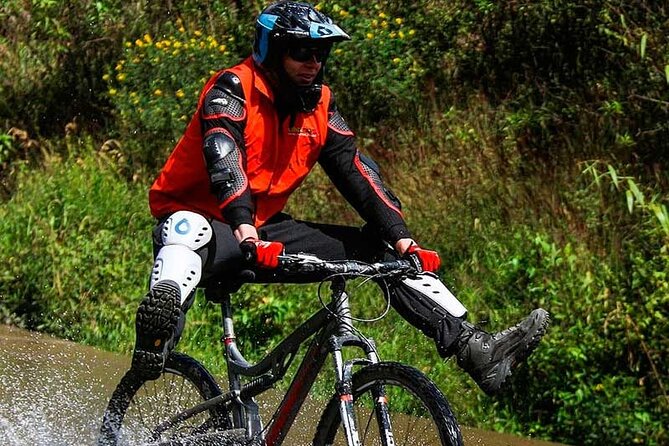
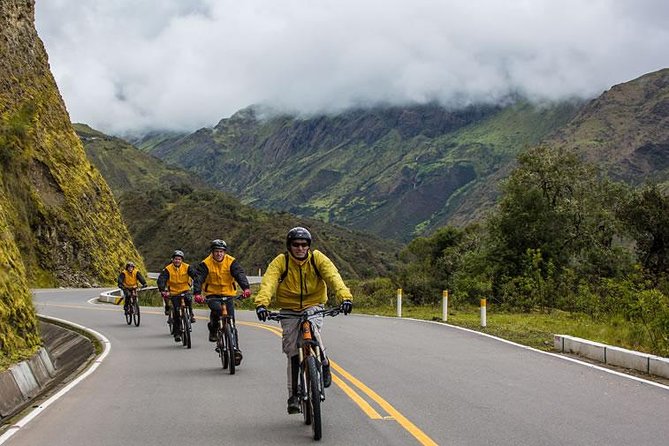
The vehicle then climbs toward Abra Málaga, at 4,316 meters above sea level. The air can feel cold at the pass, even though you will soon be heading toward a much warmer climate. The tour provides the biking equipment, and the route descends for about two and a half hours.
This is the bike ride most people book the trip for. It is mainly downhill and suited to beginners, though you can still pick up speed. You get broad views of the Andes at the start, then watch the setting change as the road drops toward rivers, farms, and tropical vegetation.
You should still take the cycling seriously. A downhill road requires attention, and the weather can change quickly at high altitude. Wear gloves if you have them, keep your hands steady, and bring a light layer for the start of the morning.
The cycling finishes near Huamanmarca, an archaeological site where the guide explains the remains and their place along this old route. This is a useful pause after the ride. You are not simply passing through scenery, you are beginning to connect the modern adventure with the region’s Inca past.
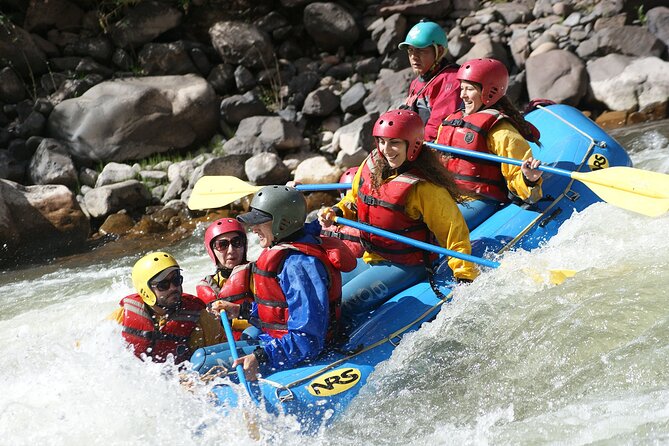
Rafting is included in the tour, and the first day is described as having several solid rapids. The exact order and location of the river activity can vary, so listen closely to the guide’s instructions. Afterward, you continue to Santa María for lunch and your first overnight stay.
The accommodation on this night is basic. A cold-water shower can feel especially unpleasant after rafting, and the food is functional rather than memorable. You will not go hungry, but do not book this trip expecting hotel-level rooms or carefully planned meals.
Day 2: Farm paths, Waka Yupana, and Cocal Mayo
After breakfast, the route heads on foot toward Waka Yupana. The full walk takes about five hours. The first two hours are fairly easy, followed by roughly two hours uphill and one hour descending to the point where transport takes you to Santa Teresa.
This is the day that brings you closest to local agriculture. The path passes fields of coca, coffee, cassava, annatto, bananas, papaya, citrus, pineapple, mango, and other tropical crops. The guide explains what grows in the area, though the depth of the commentary can depend on the individual guide.
The uphill section is the part to prepare for. It is not described as an extreme climb, but heat and humidity make even moderate hills feel harder than they would in Cusco’s cooler air. You will be glad to have water, sun protection, insect repellent, and a shirt that dries quickly.
A major reward is the view into the Wankar Q’asa canyon. After the higher section, the trail drops toward Waka Yupana, where transport takes you to Santa Teresa for lunch. This rhythm of walking, stopping, and riding keeps the day varied, but it also means the schedule is fairly full.
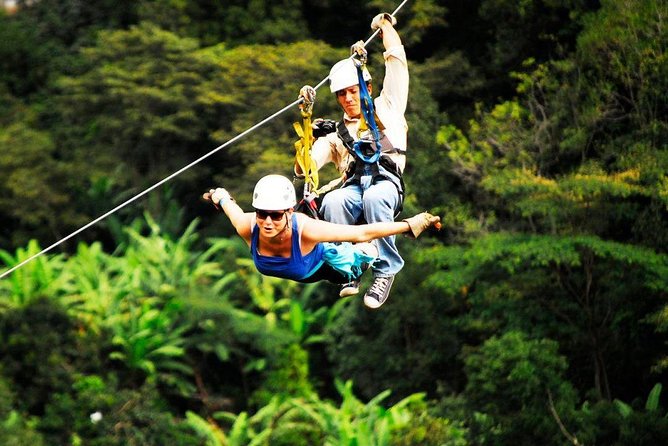
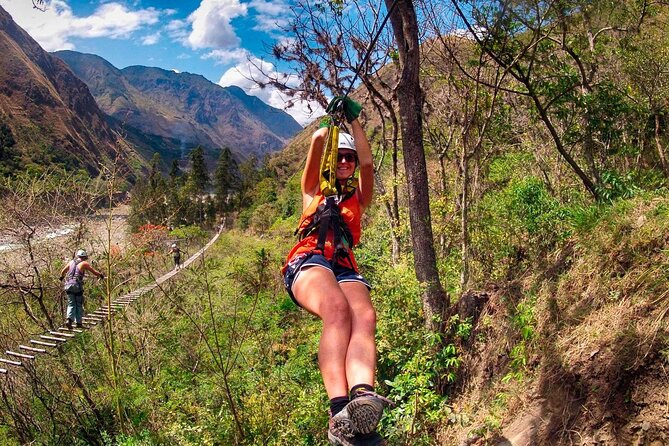
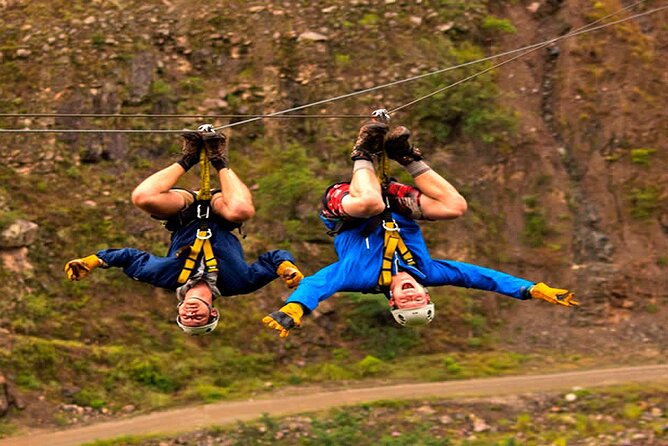
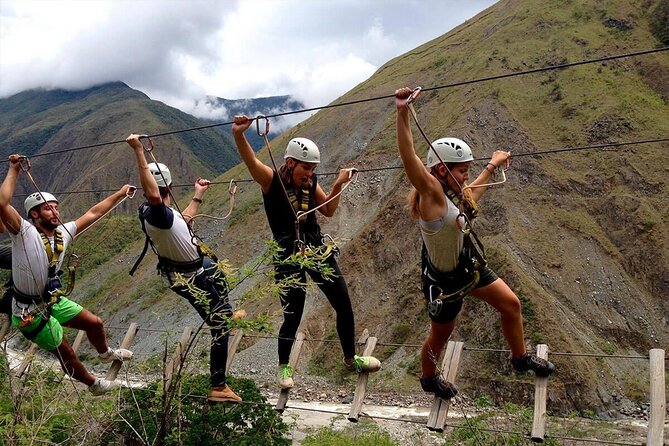
The afternoon brings the zipline experience, lasting about two hours. You slide over the river on a pulley attached to a waist harness. It is a short activity compared with the walking, but the height and open view make it a memorable change of pace.
Cocal Mayo Thermal Baths are optional and cost about 30 soles. I consider this one of the better add-ons. The warm pools are a sensible way to loosen tired legs after the hike and zipline, though the entrance is not included in the tour price.
You spend the night in Santa Teresa. This lodging is reported to be the best of the three nights, though it remains hostel-style rather than upscale. Dinner is included, and the meal plan means you do not need to spend much on food during the route.
Day 3: Coffee, Llactapata, and the walk to Aguas Calientes
Day 3 begins early, with breakfast at about 5:30 a.m. Local transport takes you for roughly 45 minutes to Lucmabamba. From there, you explore tropical forest and an organic coffee farm.
The coffee stop gives this trip a welcome local detail. You can try fresh coffee and see how the agricultural side of the region fits into the route. This is more meaningful than simply passing a plantation from a bus window.
From Lucmabamba, the hike to Llactapata takes about two hours and 50 minutes. After visiting the site, you walk downhill for about two hours. Along this section, Machu Picchu is visible across the valley, which gives the long descent a clear purpose.
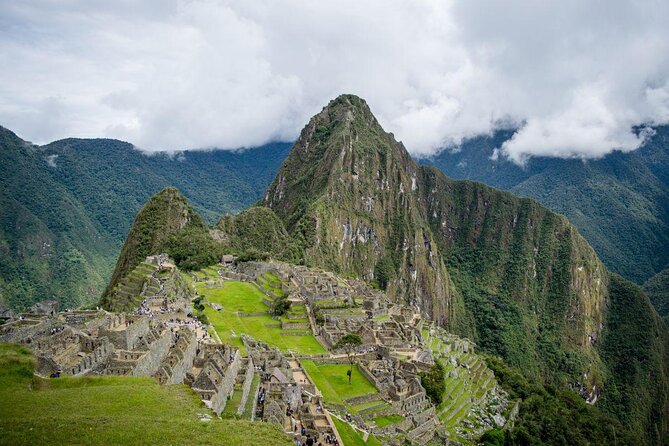
The route eventually reaches the Hidroeléctrica train station for lunch. After eating, you pass Intiwatana, an ancient stone associated with Inca timekeeping. The walk then follows the railway toward Aguas Calientes.
At this point, you have two choices. You can walk for about two hours along the train tracks, or you can take the train to Aguas Calientes at your own expense. The walk is mostly flat, but it comes after a demanding morning and a full day on foot.
I would decide based on your energy, not pride. The railway walk gives you more time in the valley and costs nothing extra, but the train is sensible if your feet are sore or if you want to arrive with energy for Machu Picchu.
Aguas Calientes is your base for the night. The lodging is again simple shared hostel accommodation, and food portions may feel lighter than expected. Pack snacks in Cusco or Ollantaytambo if you know you eat often, though you should not count on a full kitchen or regular shopping stops during the route.
More national park rides in the world:
- Chiang mai Hike & Downhill Bike Adventure –Suthep National Park
★ 4.5 · 204 reviews - Chiang Mai: Suthep National Park Hiking & DH Mountain Biking
★ 4.8 · 151 reviews - Self-Guided GPS Audio E-Bike Tour Hawaii Volcanoes National Park
★ 4.5 · 131 reviews - Half-Day Self-Guided Mountain Bike Journey through Whakarewarewa Redwood Forest
★ 5.0 · 124 reviews
Day 4: The steep climb to Machu Picchu
The final day starts around 4:00 a.m. You receive a packed breakfast and walk for about 30 minutes to the Puente Ruinas checkpoint. From there, a steep staircase takes roughly an hour to the main gate.
In practice, the climb can take 1.5 to 2 hours depending on your fitness. You can pay for the bus instead, but the bus is not included and costs about $24 for a round trip. If you want to save money and still have the energy, walking up gives you one last physical achievement before entering the site.
Your guide leads a two-and-a-half-hour visit through the main sectors of Machu Picchu. The guide assigned to this portion may differ from the adventure guide. One named guide associated with a reported trip was Eber, described as friendly and quiet, but guide assignments are not guaranteed.
Your entrance circuit matters. The available ticket is listed as Circuit 1 or Circuit 2, depending on availability. Circuit 2 is generally the more useful choice if you want access to more of the familiar central sights, so ask the booking agent to confirm your circuit and entry time before departure.
An early morning slot, such as 7:00 a.m., can also make the visit more comfortable. Later entry times may mean more people and a tighter schedule. These ticket details are not minor, they shape what you see and how rushed the morning feels.
Huayna Picchu is optional and costs extra. If you add it, you get a steep mountain climb and a high view over the citadel and surrounding valley. It requires separate admission and availability, so do not assume you can add it at the gate.
After Machu Picchu, you return to Aguas Calientes for lunch on your own and wait for the train. The train to Ollantaytambo takes about two hours, followed by the company’s bus to Cusco. A late train can put you back in Cusco around 10:00 p.m., so ask about the departure time if you want more time for lunch or a short visit in Aguas Calientes.
What to pack for four active days
You carry your own belongings throughout the trip, so pack light. A daypack with space for a two-liter water bladder is a practical choice.
Bring sturdy hiking shoes or boots, good hiking socks, quick-drying shirts, full-length hiking trousers, swimwear, a sun hat, sunglasses, sunscreen, insect repellent, toiletries, a phone or camera, a charger, money, and your passport. You need your passport to enter Machu Picchu.
A waterproof jacket and light base layer can be useful at the high pass, even if you spend most of the trip in warm, humid conditions. The climate around Cusco and the jungle route is very different, so do not pack only for the cool mountain city.
Two pairs of high-quality hiking socks may be enough for the trip if you wash and dry one pair, but you can bring three or four pairs if you prefer comfort. Keep your pack small enough that carrying it along the hills and railway does not become its own problem.
Who should book this tour?
This trip suits you if you want a packed adventure and prefer variety to comfort. It works especially well for a fit beginner or intermediate hiker who likes downhill cycling, moderate hills, rafting, ziplining, and a major archaeological site at the end.
It is less suitable if you want private rooms, generous meals, slow mornings, or a carefully controlled schedule. The tour lasts four days, but each day is full, and Day 4 begins before sunrise.
The maximum group size of 15 is a useful middle ground. You get the cost benefits of a group tour without being part of a huge crowd, though the pace will still be set by the group’s range of fitness.
Should you book the Inca Jungle Adventure?
Book it if you want an active, affordable route to Machu Picchu and like the idea of mixing a bike descent, rafting, farming country, ziplining, hot springs, and hiking. The included transport, meals, hostels, guides, and return train make $378 a reasonable starting price.
Before paying, confirm the Machu Picchu circuit, entry time, train schedule, and all extra fees. Budget for the main entrance, the $24 bus if you do not want to climb, optional Huayna Picchu, and the Santa Teresa hot springs.
My practical verdict: choose this tour for adventure and variety, not comfort. Pack light, train for long days on your feet, and treat the basic lodging as part of the trade-off for getting so much activity into four days.
FAQ
How long is the Inca Jungle Adventure?
The tour lasts approximately four days, beginning with early pickup in Cusco and ending with transport back from Ollantaytambo to Cusco after Machu Picchu.
What is the group size?
The group can have a maximum of 15 people.
What activities are included?
The package includes mountain biking, river rafting, ziplining, hiking, and guided visits to archaeological and cultural sites along the route.
Is accommodation included?
Yes. Three nights of hostel accommodation are included, with nights in Santa María, Santa Teresa, and Aguas Calientes.
Are meals included?
Three breakfasts, three lunches, and three dinners are included. Lunch in Aguas Calientes on Day 4 is not included.
Is Machu Picchu admission included?
No. The Machu Picchu entrance fee is separate and depends on the available circuit.
Is the bus from Aguas Calientes to Machu Picchu included?
No. The listed round-trip bus price is $24 per person. You can instead walk to the entrance, which takes about 1.5 to 2 hours depending on fitness.
Can I visit Huayna Picchu?
Yes, if tickets are available and you buy the separate Huayna Picchu entrance. The listed price through the company is $79 per person.
Is the train back to Cusco included?
The train from Aguas Calientes to Ollantaytambo is included, as is the onward bus from Ollantaytambo to Cusco. The train option from Hidroeléctrica to Aguas Calientes on Day 3 is not included.
How fit do I need to be?
You should have a strong fitness level. The route includes a long bike descent, hills in hot weather, several hours of walking, a steep climb to Machu Picchu, and early starts.
More Mountain Bike Tours in the world
- Waimea Canyon Downhill Bike Ride
★ 5.0 · 650 reviews - Ubud: Downhill Cycling with Volcano, Rice Terraces and Meal
★ 5.0 · 536 reviews - La Paz: Mountain Bike Down the World’s Most Dangerous Road
★ 4.9 · 386 reviews - Bali Downhill Cultural Cycling Tour
★ 5.0 · 224 reviews
Just added around the world
- Yogyakarta: Countryside Cycling and Cooking Class Experience★ 4.9 · 8 reviews
- Zagreb: 2.5-Hour Cycle Back to Socialism Tour★ 4.6 · 25 reviews
- Zell: Bike and boat tour with wine tasting and picnic★ 4.7 · 3 reviews
- Yogyakarta: Countryside Village Cycling Tour With Guide★ 5.0 · 16 reviews
- Amsterdam: Zaanse Schans E-Bike Tour with Windmills & Cheese★ 4.5 · 12 reviews
- Yamaha Fat Bike Adventure: Valencia’s Past and Future★ 4.5 · 2 reviews
- World’s Most Dangerous Road “Private” Mountain Biking Trip★ 5.0 · 7 reviews
- Yangshuo: Highlights Karst landscapes & Village Cycling★ 5.0 · 4 reviews
National Park Bike Tours, compared.
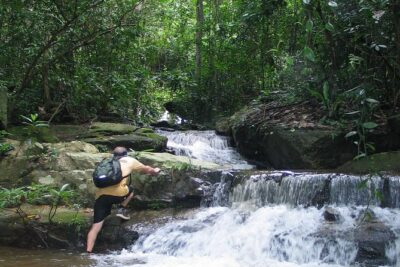
Chiang mai Hike & Downhill Bike Adventure –Suthep National Park
Read our review →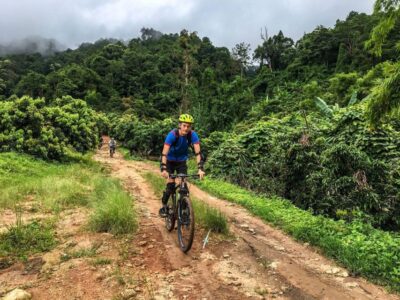
Suthep National Park Hiking & DH Mountain Biking
Read our review →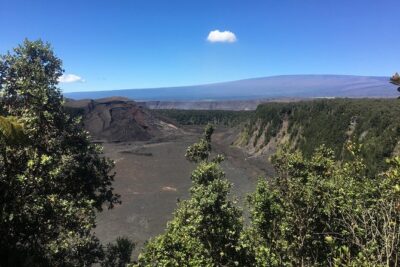
Self-Guided GPS Audio E-Bike Tour Hawaii Volcanoes National Park
Read our review →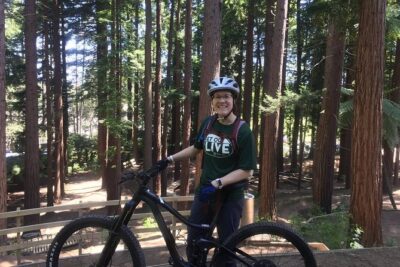
Half-Day Self-Guided Mountain Bike Journey through Whakarewarewa Redwood Forest
Read our review →
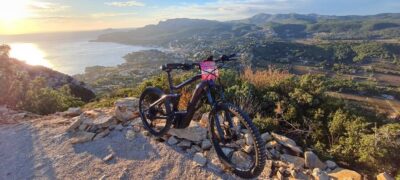
Calanques National Park: E-Mountain Bike with Virtual Guide
Read our review →
Marrakesh: Toubkal National Park Mountain Bike Trip w/Lunch
Read our review →
Cassis National Park E-Mountain Bike Experience with Virtual Guide
Read our review →Browse the lists this tour appears in