
Review · CYCLING TOURS
La Paz: Mountain Bike Down the World’s Most Dangerous Road
The road drops from a cold, windy pass at 4,700 meters into the warm Yungas jungle, changing from smooth asphalt to a narrow dirt track cut into the mountainside. You get huge views, a serious thrill, and 64 kilometers of downhill riding in one long day.
I like the excellent bikes and constant mechanical checks, plus the patient guides who let you ride at your own speed. I also like the finish at La Senda Verde, where lunch, hot showers, and rescued animals turn a dusty ride into a worthwhile afternoon.
The main catch is the long return to La Paz. Some groups do not get back until around 8:30 p.m., and the road itself is genuinely dangerous if you ride carelessly. This is not a casual cycle ride.
Key points to know before you book
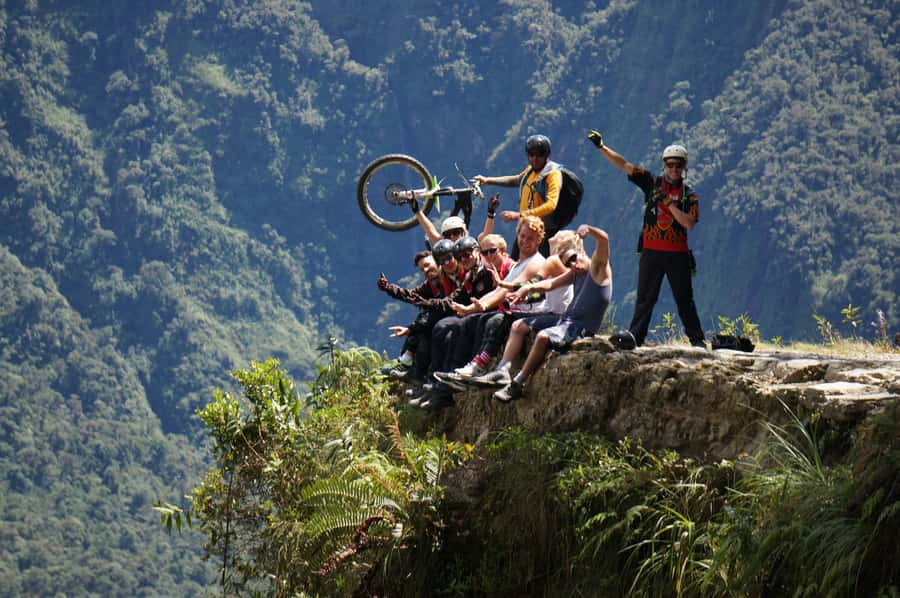
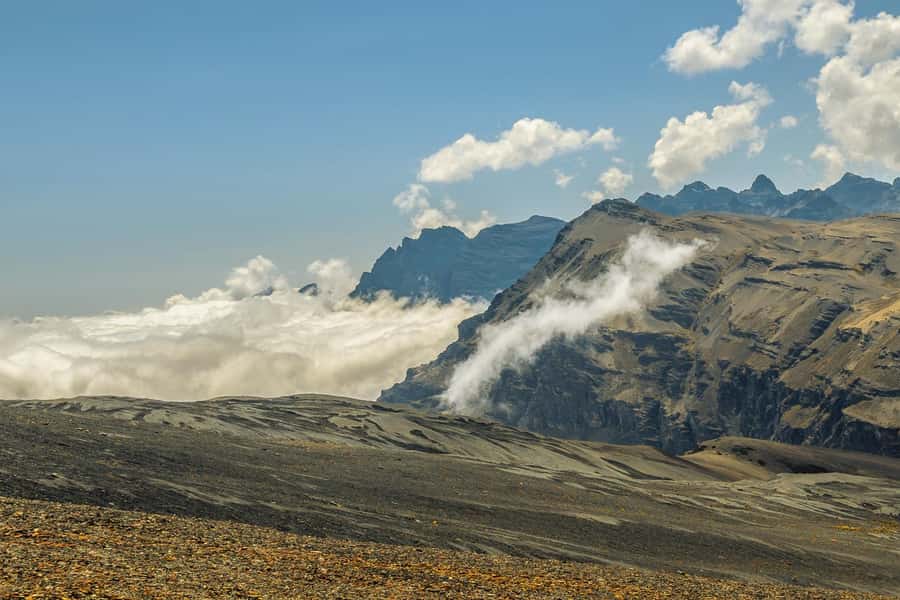
- You start above the clouds at La Cumbre: Snow-covered peaks and thin, cold air set the scene before the descent begins.
- The ride changes character twice: Smooth asphalt gives way to a rough, narrow dirt road through mist and jungle.
- Gravity sends real support: Each group has a guide, mechanic, private vehicle, and bikes checked during the stops.
- You do not need years of mountain biking: The guides provide instruction, pace control, and the option to ride in the vehicle.
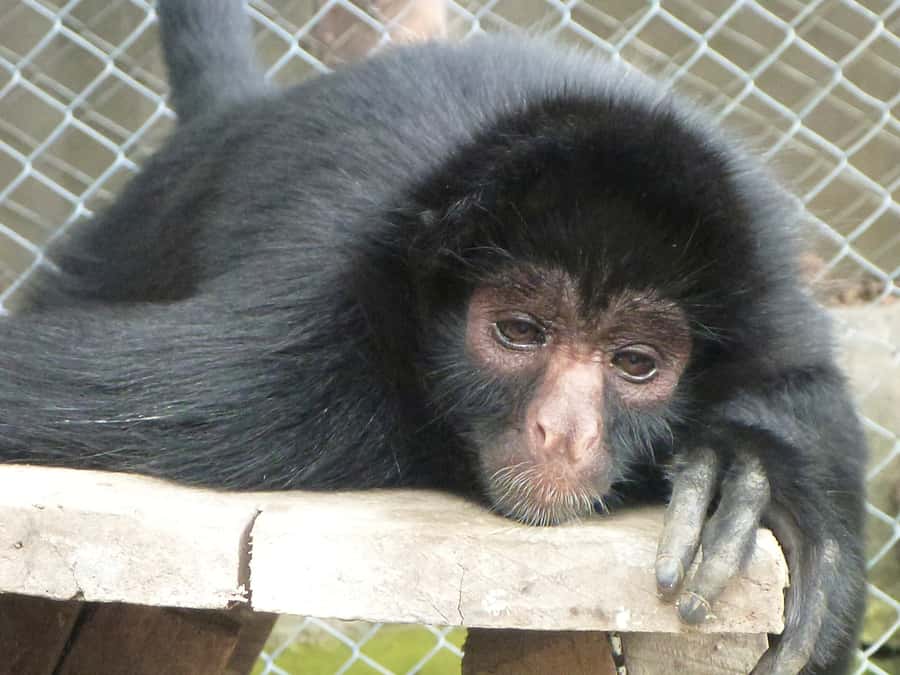
- The finish is more than a meal: La Senda Verde Animal Refuge includes lunch and a chance to see rescued monkeys, birds, capybara, and an Andean spectacled bear.
- The $145 price buys a full day: Breakfast, lunch, equipment, snacks, water, photos, transport, and safety support are included, though you still pay 50 bolivianos in road tax.
Why Death Road is such a big La Paz adventure
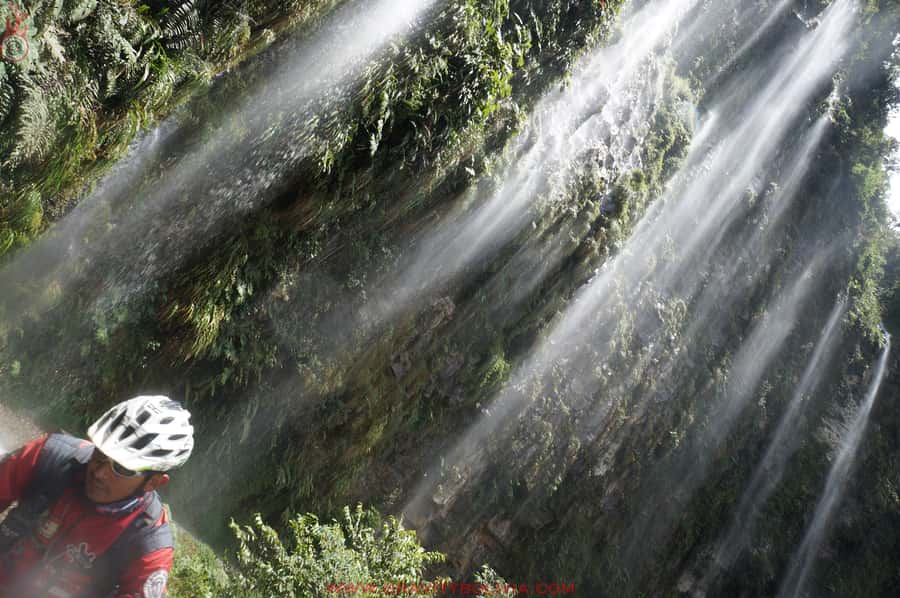
Bolivia’s Death Road, or Camino de la Muerte, has the kind of name that does half the marketing for you. But the real appeal is not simply bragging rights. It is the way the day moves through several very different parts of Bolivia, from bare high-altitude mountains to dripping jungle.
You begin in cold air at La Cumbre, north of La Paz. From there, the road falls roughly 3,500 meters toward Yolosa. The first section is an open mountain ride, with llamas, alpacas, tiny settlements, and broad views of the Andes. Later, the road tightens against the mountain and the scenery turns greener, wetter, and more enclosed.
The route covers about 64 kilometers, but much of the day is spent stopping for photos, snacks, instructions, rest, and bike checks. That is a good thing. This is not a race to the bottom. You want enough time to look up from the front wheel and understand where you are.
The tour is operated by Gravity Bolivia, which has a strong reputation for safety and experienced guides. Names you might see leading groups include Damien, Kenny, Noel, Ruben, Kenneth, Abel, and Marcello. The exact team depends on the day, but the arrangement is consistent: one guide, one mechanic, and one private support vehicle for each group.
More mountain bike tours in the world:
- Waimea Canyon Downhill Bike Ride
★ 5.0 · 650 reviews - Ubud: Downhill Cycling with Volcano, Rice Terraces and Meal
★ 5.0 · 536 reviews - Bali Downhill Cultural Cycling Tour
★ 5.0 · 224 reviews
Starting at Café del Mundo and La Cumbre
Your meeting point is outside Café del Mundo, a central and easy place to find. Breakfast is included, with meat, eggs, ham and cheese, vegetarian, and vegan choices. It is a useful start because the morning begins early and the first stop is much colder than La Paz.
The minibus takes you upward toward La Cumbre. The road climbs into stark Andean country, and the air gets thinner as the city drops away. At 4,700 meters, you can see snow-covered peaks and wide, wind-swept slopes. Warm layers matter here, even if the forecast in La Paz looks mild.
Before riding, the guides explain the bikes, brakes, road rules, and the way the day will work. You receive a helmet, jacket and pants for cold or wet conditions, gloves, elbow and knee pads, and a buff to keep. Sunglasses, sunscreen, and a change of clothes are still worth packing.
At this point, take the altitude seriously. You are not climbing on the bike, but you are standing and preparing at a very high elevation. Eat breakfast, drink water, and do not rush into the first descent simply because the road points downhill.
The fast asphalt section from 4,700 meters
The first part is a high-speed feeling ride on asphalt. It is not the famous dirt section yet, but it gives you a long, dramatic warm-up. The road twists past steep Andean slopes, grazing llamas and alpacas, and small settlements that look tiny against the mountains.
Your full-suspension downhill bike makes a real difference here. Hydraulic disc brakes give you better control, while the suspension helps on uneven sections. The bikes are checked after each ride and inspected during the day, often while you stop for photos or snacks.
This is also where the guide’s role becomes clear. The guide points out what is coming next, warns you about road conditions, and keeps the group moving without forcing everyone to ride at the same speed. If you are new to mountain biking, you can stay conservative and still enjoy the day.
The support vehicle follows behind. You can get in at any point if you are cold, tired, nervous, or simply ready to watch part of the route from the van. The guide can also put you on the vehicle for safety reasons. That is not a failure. It is a sensible option on a demanding road.
Entering the narrow dirt road
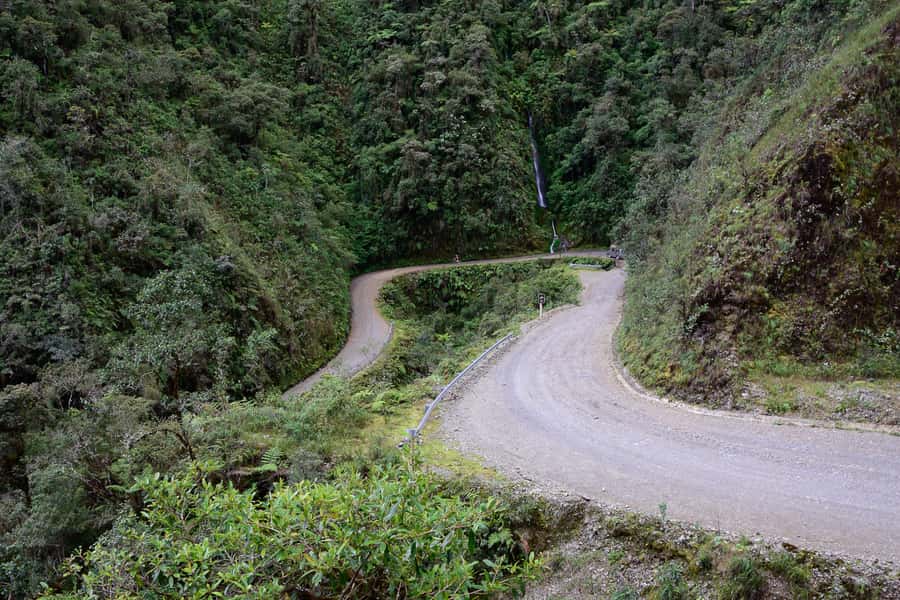
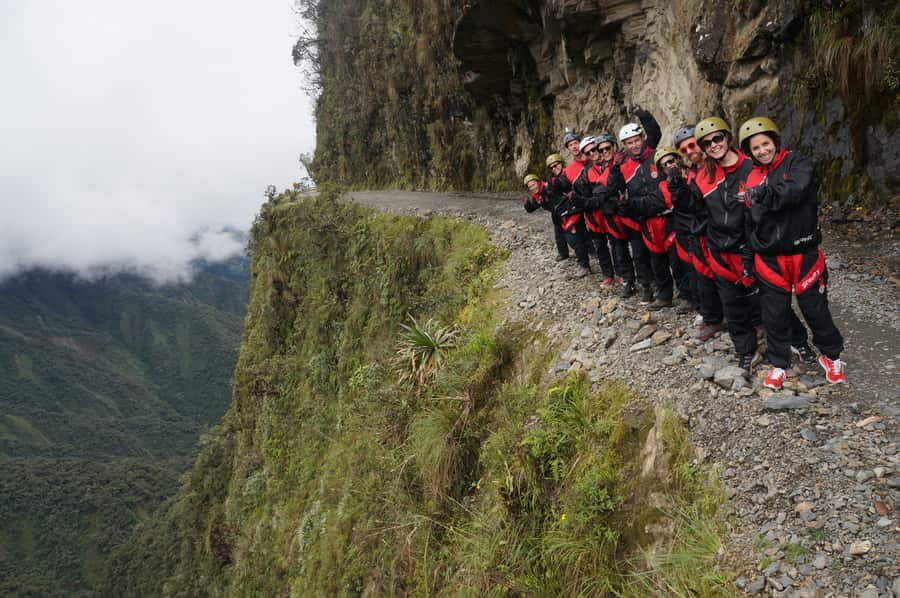
The famous section begins after the smoother upper ride and a short undulating stretch. Here the road becomes narrow, rough, and exposed, cut into the side of the mountain with steep drops beside it. This is where the dramatic name starts to feel less like a joke.
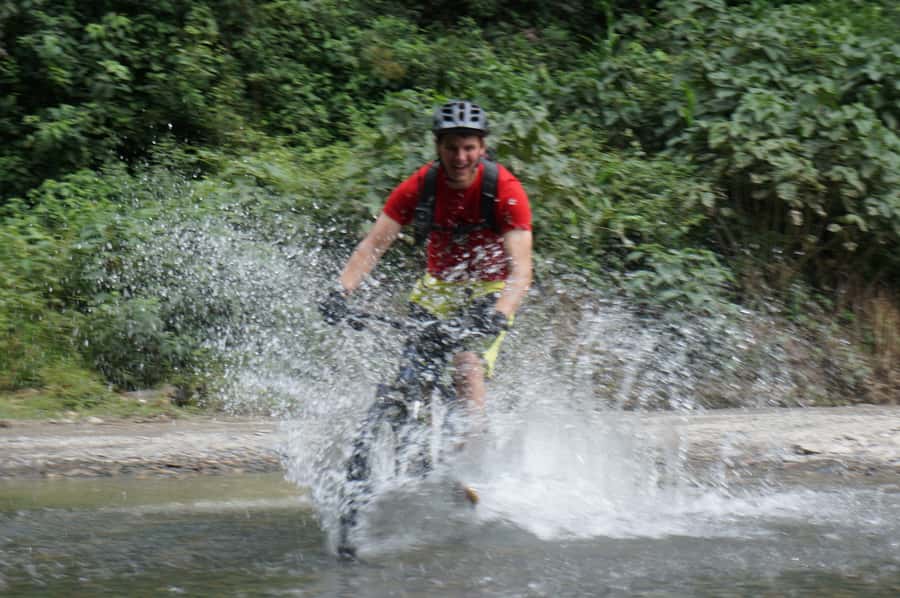
The dirt section descends about 2,000 meters. Mist, low cloud, dust, and changing temperatures all add to the work. The road can feel damp and gloomy in one section, then hot and dusty farther down. You should expect your bike and clothes to get dirty.
The guides do not simply point downhill and send you off. They stop the group, explain the next part, and check bikes. The mechanic looks over tires and brakes while you rest your hands and take in the views. Several snack and water stops break up the ride.
That structure is one of the best reasons to choose a serious operator. You get the excitement of the road without being left to solve every problem yourself. The support vehicle carries spare equipment and provides a clear exit if the ride becomes too much.
Still, the road remains dangerous. You need to control your speed, follow instructions, and leave room for other riders. The danger is not erased by a good guide or a strong bike. It is managed through care, pacing, and attention.
A few more rides around the world worth a look
- Ninh Binh Day Trip: Hoa Lu-Trang An/Tam Coc-Mua Cave-Cycling-Boat
★ 5.0 · 1,886 reviews - Cai Be Mekong Delta Tour: Cooking Class, Cycling & Craft Villages
★ 5.0 · 1,881 reviews - The Grand Bicycle Tour by Cycle City Tours
★ 5.0 · 1,827 reviews - Countryside Bike Tour from Amsterdam: Cheese, Clogs & a Windmill
★ 5.0 · 1,485 reviews
How difficult is the ride?
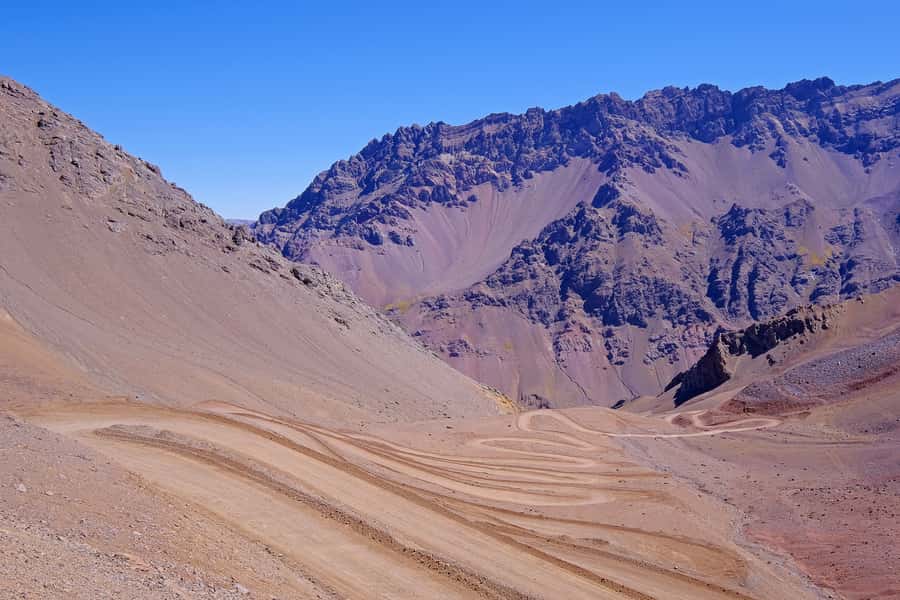
You do not need extensive mountain biking experience, but you must be able to ride a bike and handle a long day outdoors. The tour is not suitable for people who cannot ride, people with mobility impairments, wheelchair users, pregnant women, or anyone shorter than 120 centimeters.
The downhill format makes the distance easier than 64 kilometers of ordinary cycling might sound. You are often coasting rather than pedaling hard. But braking, steering, gripping the handlebars, and staying alert take their own toll. Your hands, arms, and shoulders may feel the day by the finish.
A good approach is to ride at the speed that feels controlled, not the speed of the fastest person in the group. Confident riders may move quickly on open sections, while less experienced riders can take it slower. The guides are used to mixed ability levels and can help first-time mountain bikers.
The group limit is 14 people, which keeps the ride smaller than a large convoy. You may still have to wait at checkpoints, but those pauses are useful. They keep the group together and give you time to listen, take photos, eat, and reset.
Safety, guides, and the support vehicle
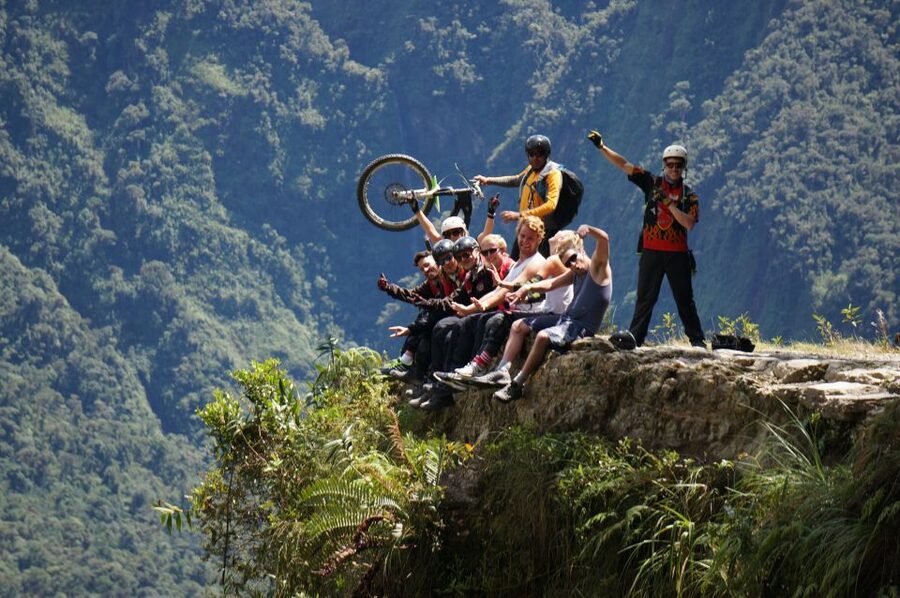
Safety is the strongest part of this tour. The guides have more than 20 years of experience riding Death Road, and the company uses international safety standards. Each group has a guide, mechanic, and driver, rather than relying on one person to manage every problem.
Guides such as Noel, Damien, Kenny, and Ruben are often praised for clear instructions, calm support, and humor. That combination matters. A guide who can explain a tricky turn in plain English or Spanish, then keep the mood light, is useful when the road looks intimidating.
The mechanic is not just along for show. Bikes are checked during the stops, including tires and brakes. The use of full-suspension downhill bikes with hydraulic disc brakes is a major part of the value. You are not being handed a basic rental bike and sent onto a rough mountain road.
The vehicle follows the ride and carries people who need a break. It also gives the team a way to respond if a bike has a problem. One especially useful detail is that the vehicle remains available throughout the route, rather than only meeting you at set points.
Photos and videos are taken during the day and later uploaded and shared. That lets you focus on riding instead of trying to hold a phone on a narrow road. You receive hundreds of images, though the exact selection and timing of delivery are not specified.
Snacks, water, and the practical comfort level
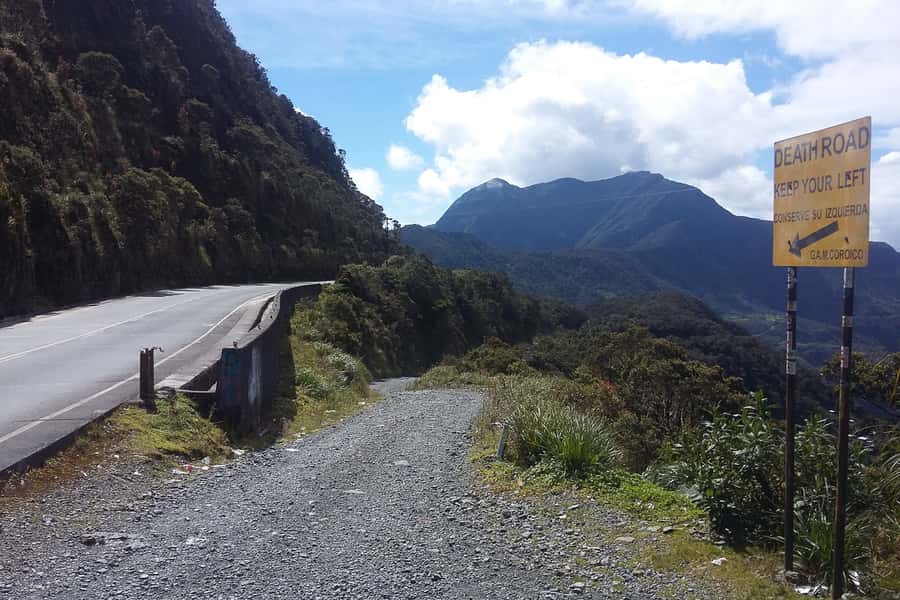
This is a well-supported day rather than a bare-bones bike rental. Breakfast starts the morning, two snacks appear during the ride, and unlimited water is included. You also receive a box lunch, followed by the larger meal at the animal refuge.
Bring a daypack with warm clothes, weather-appropriate layers, sunscreen, insect repellent, sunglasses, hiking shoes, and a complete change of clothes. At the top, you need warmth. At the bottom, you may want dry clothes and insect protection.
The weather can shift quickly. Snow and rain are possible at the upper sections, while the lower road can be humid and hot. The included pants and jacket help, but they do not replace your own layers.
Bring cash for the 50 boliviano road tax and for optional purchases such as the zipline. The zipline is not included and can be bought on the day. You need your passport or identity card as well.
La Senda Verde: a strong finish at the bottom
After reaching Yolosa, the tour continues to La Senda Verde Animal Refuge. This is a welcome change of pace after the ride. You can clean up, eat, and see animals rescued from the black market and illegal pet trade.
The refuge is home to hundreds of monkeys, an Andean spectacled bear, capybara, birds, and other animals from the region. You are not simply stopping at a restaurant with a view. Your visit helps support the refuge’s rescue work.
Lunch is included and is served as a buffet. Past meals have included hot food, and the stop also offers a chance to rest properly. Some riders have especially appreciated the showers, towels, and shampoo, which are a small luxury after a dusty ride.
The animal visit gives the day more weight. You have spent hours on a famous road, but you also leave money with a place doing practical conservation work. If you have enough energy, an extended visit may be available for an added cost, though the standard experience already includes entry.
One thing to plan for is the return. The sanctuary is far below La Paz, and the bus journey back can take around three hours. Some groups arrive in La Paz at about 8:30 p.m. The animal refuge is worthwhile, but this is a full, long day, not a short morning activity.
Is $145 good value?
At $145 per person, this is one of the more expensive Death Road options. The price makes more sense when you add up what is covered: transport from La Paz, breakfast, a box lunch, a buffet meal, water, snacks, quality protective gear, a full-suspension bike, a private vehicle, a mechanic, guides, refuge entry, photos, and the buff.
The bikes and safety setup are the main reasons I would pay more. A cheap tour may appear similar on paper, but the condition of the bike, quality of the brakes, guide-to-rider ratio, and response to problems matter a great deal on this road.
You also get a smaller group of up to 14 people and the freedom to ride at your own pace. If you choose a lower-priced operator, compare what is actually included and how often the bikes are checked. The 50 boliviano road tax is extra, and the zipline costs extra if you want it.
For me, the value is strongest if you want a carefully managed adventure and do not want to organize transport, equipment, meals, and the animal refuge separately. It is less attractive if you only want the cheapest possible way to reach the bottom.
Who should book this ride?
Book it if you want an active day with real scenery, a strong adrenaline hit, and a support team that takes safety seriously. It suits people who can ride a bike, accept changing weather, and are comfortable with a long return to La Paz.
It also works well for beginners who are willing to listen and take it slowly. The guides can coach you, and the bus gives you an escape route. You do not need to match the speed of the strongest rider.
Think twice if you dislike heights, rough roads, dust, cold weather, long vehicle rides, or uncertainty about your pace. The support is excellent, but no company can make an exposed mountain road risk-free.
Cancellation is free up to 24 hours before the activity, and you can reserve now and pay later. Languages are English and Spanish, so choose the guide language that lets you understand safety instructions clearly.
Should you book Gravity Bolivia’s Death Road ride?
I would book this tour if Death Road is high on your Bolivia list and you care about bike quality, guide support, and a proper finish. The guides, mechanics, frequent checks, flexible pace, and following vehicle turn a risky idea into a controlled adventure.
The best reason to choose it is not simply the famous road. It is the complete day: snowy peaks, asphalt, jungle dirt, snacks, photos, a good bike, and La Senda Verde at the end. Pay the higher price if those details matter to you, and pack for a very long day.
FAQ
How long is the Death Road bike tour?
The activity lasts one day. The ride covers about 64 kilometers, and the full day can run into the evening because the return to La Paz may take around three hours. Some groups arrive back at about 8:30 p.m.
Where does the tour meet?
Meet outside Café del Mundo in La Paz. Breakfast is provided there before transportation takes you up to La Cumbre.
What equipment is included?
You receive a full-suspension downhill mountain bike with hydraulic disc brakes, a normal or full-face helmet, cold and wet weather pants and jacket, elbow and knee pads, gloves, and a buff.
Can beginners ride Death Road?
You do not need extensive mountain biking experience, but you must be able to ride a bike. Guides provide instruction, riders can choose their own comfortable pace, and the following vehicle is available if you need to stop riding.
Is lunch at an animal sanctuary included?
Yes. Entry to La Senda Verde Animal Refuge and a box lunch are included. The tour also includes a buffet lunch at the refuge, where you can see rescued monkeys, an Andean spectacled bear, capybara, birds, and other animals.
What costs extra?
The 50 boliviano road tax is not included. A zipline is available to purchase on the day, but it is optional.
Just added around the world
- Yogyakarta: Countryside Cycling and Cooking Class Experience★ 4.9 · 8 reviews
- Zagreb: 2.5-Hour Cycle Back to Socialism Tour★ 4.6 · 25 reviews
- Zell: Bike and boat tour with wine tasting and picnic★ 4.7 · 3 reviews
- Yogyakarta: Countryside Village Cycling Tour With Guide★ 5.0 · 16 reviews
- Amsterdam: Zaanse Schans E-Bike Tour with Windmills & Cheese★ 4.5 · 12 reviews
- Yamaha Fat Bike Adventure: Valencia’s Past and Future★ 4.5 · 2 reviews
- World’s Most Dangerous Road “Private” Mountain Biking Trip★ 5.0 · 7 reviews
- Yangshuo: Highlights Karst landscapes & Village Cycling★ 5.0 · 4 reviews
Mountain Bike Tours, compared.
Downhill Cycling with Volcano, Rice Terraces and Meal
Read our review →
Chiang mai Hike & Downhill Bike Adventure –Suthep National Park
Read our review →Downhill Cycling with Volcano, Rice Terraces, and Meal
Read our review →
Guided Mountain Bike Tour of Mustang Trail in Red Rock Canyon
Read our review →Browse the lists this tour appears in