
Review · CYCLING TOURS
07 Day: Inca Jungle Adventure with Mountain Bike, Rafting, Zipline & Trek
The best thing about this seven-day trip is the way it turns the journey to Machu Picchu into the main event. You ride from high-altitude Malaga Pass into the jungle, paddle Class II and III rapids, cross old Inca routes, and arrive at the citadel with several days of adventure behind you. I like the mix of action and culture, and I like that airport pickup, transport, entrance fees, and most meals are handled for you.
The tradeoff is the pace. Early starts, long drives, steep uphill walking, wet-weather activities, and basic hostel nights in Santa Maria and Santa Teresa make this a poor match for anyone seeking a gentle holiday. At $1,129 per person, the price is strongest for visitors who plan to use every activity and included transfer.
Key points at a glance
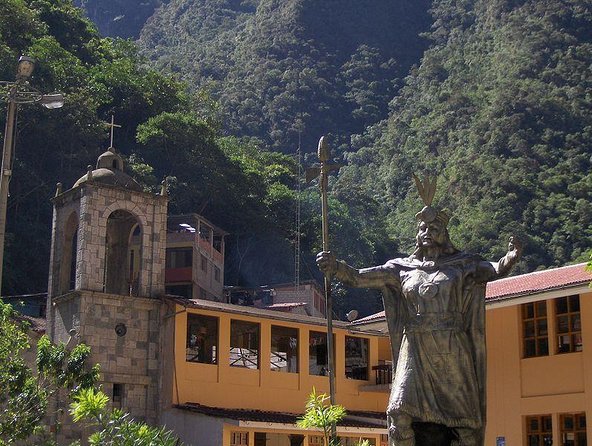
- A full week of variety: Sacred Valley archaeology, mountain biking, rafting, ziplining, jungle walking, and Machu Picchu.
- A dramatic bike descent: Ride from Malaga Pass at about 4,350 meters down through villages, orchards, and river country.
- A real trek to Aguas Calientes: Walk through the Aobamba Valley rather than simply taking the train to Machu Picchu.
- A private group format: Only your group takes part, with a professional English-speaking guide handling the route and logistics.
- Strong guide support: Jonathan, Wilbert, Percy, and Freddy are among the guides associated with this trip.
- A useful package for first-time visitors: Airport transfers, hotels, hostels, activity gear, entrance fees, and return transport are included.
Why this route is different from a standard Machu Picchu visit
Many trips to Machu Picchu are built around a train, a hotel in Aguas Calientes, and one long sightseeing day. This route gives you a much fuller week. You begin with Cusco and the Sacred Valley, then drop from the high Andes into warmer jungle country before walking toward Aguas Calientes.
I like that the scenery changes in a clear sequence. At first, you are surrounded by high-altitude valleys and Inca sites. Then the road drops toward tropical vegetation, fruit orchards, and rushing rivers. By the time you reach Machu Picchu, you have seen several parts of southern Peru instead of staying near one attraction.
The private format matters, too. Your group is not mixed with a large public tour, so the guide can adjust the walking pace and explain things without shouting over a crowd. That flexibility helped on past departures led by guides such as Jonathan, Wilbert, Percy, and Freddy, all of whom are associated with this adventure.
Still, private does not mean slow or luxurious. This is an active trip with fixed transport connections. You should be ready for early mornings and changing plans caused by road, river, or mountain conditions.
More national park rides in the world:
- Chiang mai Hike & Downhill Bike Adventure –Suthep National Park
★ 4.5 · 204 reviews - Chiang Mai: Suthep National Park Hiking & DH Mountain Biking
★ 4.8 · 151 reviews - Self-Guided GPS Audio E-Bike Tour Hawaii Volcanoes National Park
★ 4.5 · 131 reviews
Day 1: Arriving in Cusco at 3,400 meters
Your trip begins with an airport pickup at Alejandro Velasco Astete Airport. A representative takes you to your hotel, leaving you free to rest and get used to Cusco’s altitude, about 3,400 meters, or 11,000 feet.
That first day is wisely kept light. You can walk around at an easy pace, stay at the hotel, and meet the expedition group in the evening for a briefing. Do not plan a packed sightseeing schedule after landing. Cusco’s altitude can affect you even if you are fit, and the next few days require energy.
The itinerary includes airport pickup and a hotel night, which removes one common travel worry. You do not need to arrange your own first transfer after a long flight. The exact hotel name is not provided, but the package includes three nights in three-star hotels overall, plus a night in Aguas Calientes.
Day 2: Moray, Maras, and Chinchero in the Sacred Valley
Pickup is scheduled for about 8 a.m., followed by a drive of roughly one hour and twenty minutes through the Sacred Valley. The route brings views of snow-capped peaks, wheat fields, and Andean villages.
Moray is the first major stop. Its broad circular terraces are cut into the earth like a set of giant bowls. They are commonly linked to Inca agricultural experiments, and the unusual design makes this more than a routine ruin stop. The terraces also give you a clear sense of how the Incas worked with altitude and microclimates.
Next comes the Maras Salt Mines, about 3 kilometers from Moray. More than 3,000 small salt pools still operate there. Water flows through the terraces, leaving salt behind as it evaporates. It is both an old working system and a striking sight, but remember that this stop is at about 3,380 meters, so the altitude has not gone away yet.
The final stop is Chinchero, at roughly 3,762 meters. This high village is tied to Inca remains and Andean culture. The day lasts about eight hours, so you get a solid introduction to the region before the more physical section begins.
I see Day 2 as a useful bridge between sightseeing and adventure. You are not simply checking off famous places. You are learning how the highlands work before the route drops into the jungle. The drawback is that the day includes several stops at high altitude, and the drive takes up a good part of the schedule.
Day 3: Cycling from Malaga Pass to Santa Maria
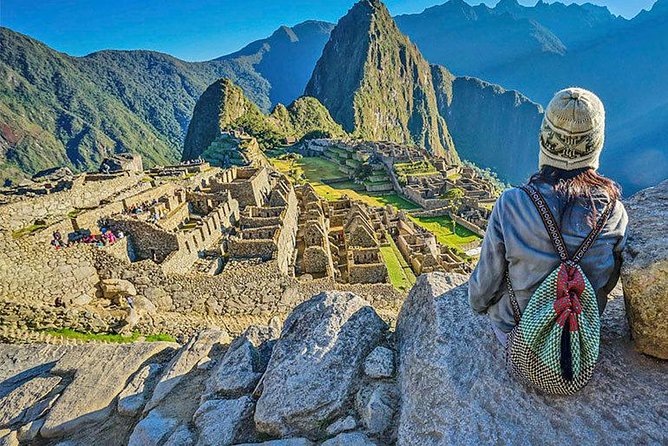
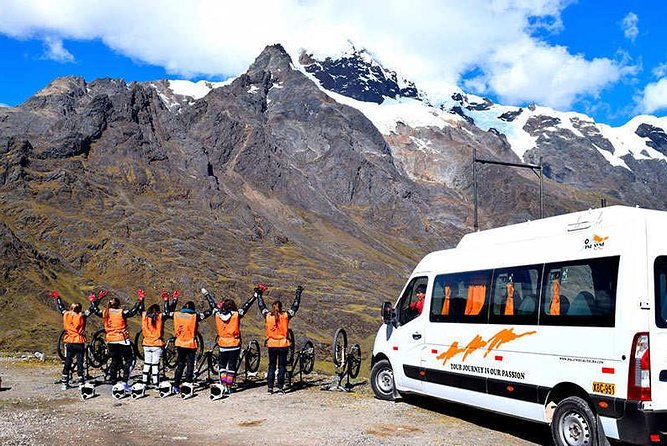
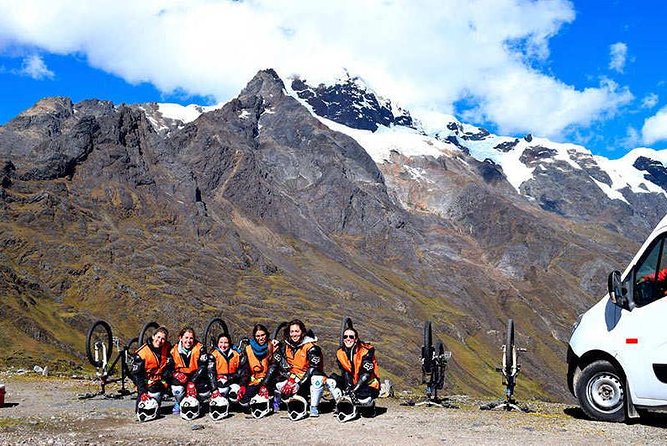
Day 3 starts early, around 6 a.m., with a drive of about three hours to Malaga Pass. At approximately 4,350 meters, or 15,190 feet, this is the highest point of the trip described here.
From there, you begin a mountain-bike descent lasting about three hours. The route passes villages, orchards, and rivers as the altitude drops sharply. Full-suspension bikes, helmets, gloves, and safety equipment are supplied, which is important on a long downhill route with changing road surfaces.
This is not a casual cycling tour around town. You need a moderate level of fitness and enough bike confidence to stay comfortable for several hours. The main appeal is the change in climate and scenery, from cold high mountain air to much warmer valley country. The downhill profile also makes the ride more approachable than a long mountain climb, though the road and conditions still require attention.
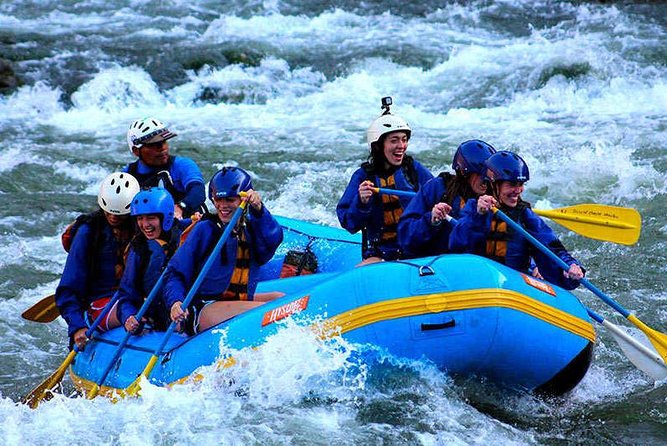
You reach Huamanmarca at about 1:30 p.m., then take a private bus to Santa Maria. After lunch and a short break, you head to the river for about two hours of rafting. The rapids are Class II and III, supervised by a professional safety kayaker, and equipment is included.
For many people, this is the most action-packed day. You cycle, transfer, eat, and raft before dinner in Santa Maria. The schedule is efficient, but it is also tiring. Bring clothes that dry reasonably fast, and keep anything valuable protected from water. The tour supplies rafting gear, but it does not remove the need to pack wisely.
You spend the night in Santa Maria in hostel accommodation. That is a practical base, not a luxury stay. If you want polished hotel service every night, this is one of the places where the trip may disappoint.
More bike and hike days in the world:
- Palm Springs Indian Canyons Bike and Hike
★ 5.0 · 212 reviews - Camelback E-Bike & Hike Tour – 2.5 Hours
★ 5.0 · 132 reviews - Electric Bike Ride & Diamond Head Hike Tour
★ 5.0 · 125 reviews - Cruising- Kayaking- Cycling- Trekking 3D/2N from Cat Ba in less tourist areas.
★ 5.0 · 119 reviews
Day 4: Jungle walking, local fruit, and the old Inca route
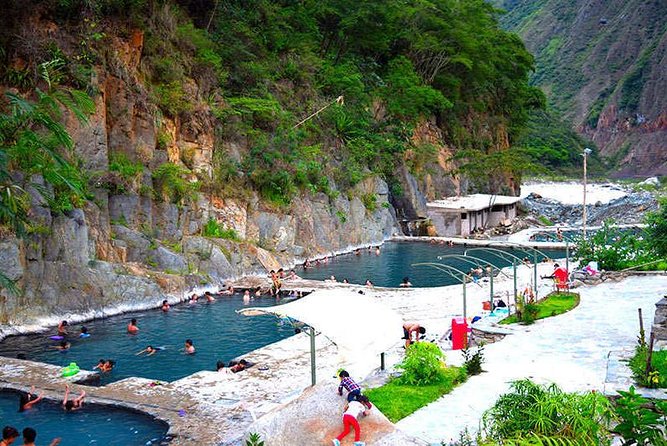
After breakfast, the trek toward Santa Teresa begins at about 6 a.m. The first two hours climb uphill, with stops to look at local plants and animals. A visit to a local family’s home gives you a chance to rest, eat fresh tropical fruit, and refill your water.
I especially like this part because it adds contact with daily life to a week otherwise filled with transport and activities. It is a small stop, but it makes the jungle feel lived-in rather than staged. You also get a practical water break during a demanding walk.
The route then follows a historic stretch of the Inca Trail that once connected Machu Picchu and Vilcabamba. Your guide explains the Inca communication system and the route’s place in regional history while you look across Huancarccasa Canyon.
After descending to Quellomayo, you stop for lunch and time in hammocks before continuing toward Santa Teresa. The supplied program also includes a zipline activity, with the exact timing not specified in the details provided. You should confirm the order and duration of that activity before departure.
This day lasts about six hours, but do not confuse that with an easy day. An uphill start, warm jungle conditions, and uneven trail can make the walk feel substantial. You spend the night in Santa Teresa, again in hostel accommodation. An optional visit to the hot springs costs an extra $5 per person and is not included in the tour price.
Day 5: Walking through the Aobamba Valley to Aguas Calientes
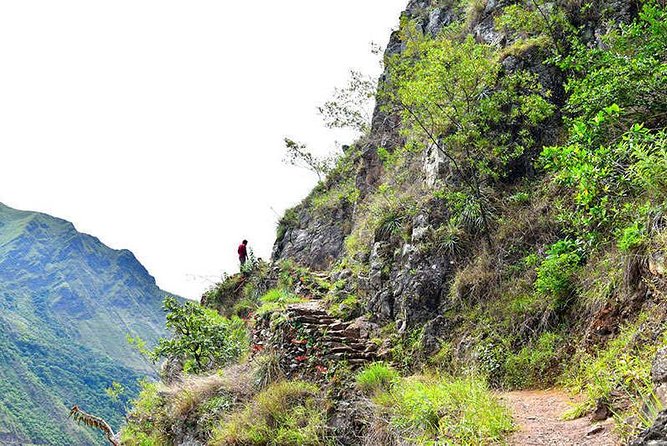
The next morning begins around 6 a.m. with a trek toward Aguas Calientes. The walk through the Aobamba Valley takes about three hours and brings thick vegetation, mountain views, and a quieter approach to Machu Picchu.
You pass the Intihuatana sector and a government control post. The area also includes an ancient astronomical sundial and other structures near Machu Picchu’s wider archaeological zone. Lunch is provided along the way, which is useful because you are spending much of the day away from a normal restaurant.
The published timing for this portion is about four hours, although the day includes transfers and arrival arrangements. Once in Aguas Calientes, you stay in a three-star hotel. This is a welcome change after two hostel nights, and it puts you close to the next morning’s visit.
The walk gives you a stronger sense of arrival than a direct train ride. You have already crossed the highlands, cycled downhill, rafted, and walked through the jungle. The downside is that you cannot simply save your legs for Machu Picchu. If the citadel visit is your only priority, a shorter itinerary may suit you better.
Day 6: Machu Picchu and the return toward Cusco
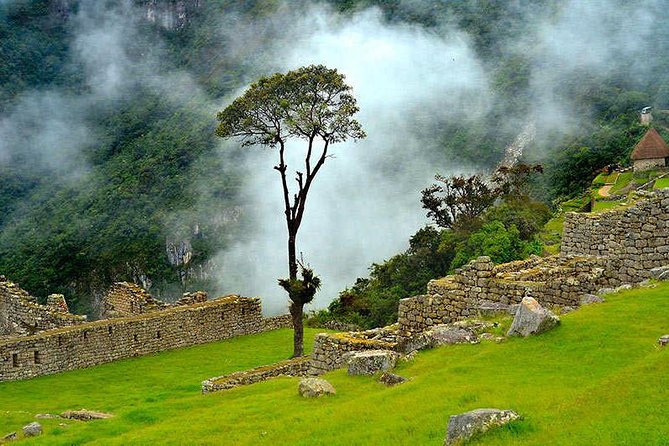
The key morning begins with breakfast and a bus up to Machu Picchu. Your guide leads a detailed visit through the citadel, covering temples, ceremonial spaces, terraces, and storage areas.
The bus is included one way. That matters because the climb from Aguas Calientes to the entrance is steep, and the early bus helps you reach the site without spending energy before the tour. Your entrance fee is included as well.
Huayna Picchu or Machu Picchu Mountain is not part of the standard price. If you want either extra climb, you need to secure the additional ticket in advance. The stated price for Huayna Picchu is $85. Do not assume that adding a mountain ticket later will be possible.
After the guided visit, you return to Aguas Calientes for free time and lunch at your own cost. In the afternoon, you board the train and continue by bus toward Cusco. The stated route includes return transportation by train and bus, though the precise train and final arrival time are not provided.
This is a long day, but it closes the trip’s story well. You do not just arrive at Machu Picchu, take photos, and leave. The site comes after several days of walking and travel through the region.
What the $1,129 price really covers
At $1,129 per person, this is not a low-cost backpacker trip. The value comes from how many separate arrangements are bundled together:
- Airport pickup and final airport transfer
- Six breakfasts
- Three lunches and three dinners
- Three nights in three-star hotels
- Two hostel nights in Santa Maria and Santa Teresa
- One three-star night in Aguas Calientes
- All listed transport, including the return train and bus
- Entrance fees
- English-speaking professional guide
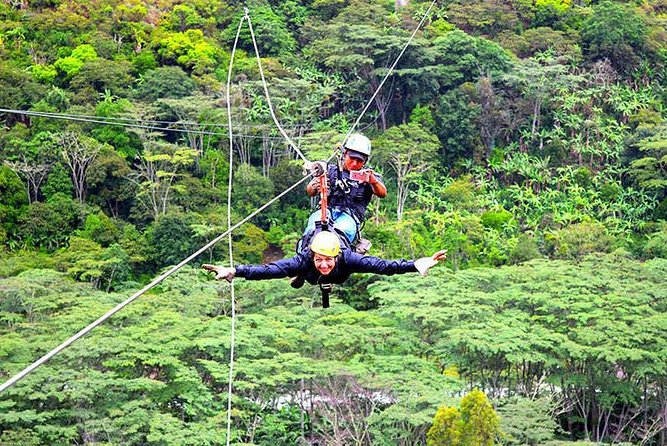
- Bike, helmet, gloves, rafting equipment, zipline, and safety gear
Buying these parts separately would take time and require careful coordination. The package is particularly useful if you want one company to manage the airport, road transfers, activities, hotels, Machu Picchu entry, and return journey.
The value is weaker if you will skip rafting, cycling, ziplining, or much of the walking. A solo visitor also pays a $270 single supplement, bringing the listed cost to $1,399 before optional items, insurance, and flights. International and domestic flights are not included, and neither are meals not specifically listed.
Who should book this adventure
I would choose this trip if you want Machu Picchu plus a real active route, not just a sightseeing package. It suits people with moderate fitness who enjoy changing activities and do not mind early starts, basic rooms, and long transfer days.
It is also a good fit for families or small private groups that want a guide close at hand. The guide can help with activity instructions, cultural background, and changes in pace. Past departures have included families, friend groups, and visitors who needed some flexibility after delayed flights.
I would hesitate if you dislike heights, rafting, bikes, steep trails, or simple hostels. The altitude on the first two days is serious, and the route does not leave much room for a lazy recovery day between activities.
The experience is non-refundable and cannot be changed after booking, so read the inclusions carefully before paying. You should also arrange travel insurance, since it is not included.
Should you book the Inca Jungle Adventure?
Book it if you want a busy, active week that combines the Sacred Valley, jungle scenery, several outdoor activities, and Machu Picchu in one organized plan. The strongest reasons are the full-suspension bike descent, the river section, the walk through the Aobamba Valley, and the fact that transport and entry arrangements are largely covered.
Skip it if your ideal Peru trip means slow mornings, comfortable hotels, or a single focus on archaeology. This is a packed adventure, and the two hostel nights plus repeated 6 a.m. starts are part of the deal. For the right person, the $1,129 price buys more than a ticket to Machu Picchu. It buys the long way there, with plenty to remember along the route.
FAQ
Is airport pickup included in the tour?
Yes. A representative meets you at Alejandro Velasco Astete Airport in Cusco and transfers you to your hotel. A transfer to the Cusco Airport is also arranged at the end of the trip.
How many days does the experience last?
The trip lasts approximately seven days, beginning with arrival in Cusco and ending with your airport transfer.
What physical fitness level is required?
A moderate physical fitness level is recommended. The itinerary includes a three-hour bike descent, rafting, uphill walking, jungle trekking, and a trek to Aguas Calientes.
Are bicycles and rafting equipment provided?
Yes. Full-suspension mountain bikes, helmets, gloves, rafting equipment, and safety equipment are included.
Is Machu Picchu admission included?
Yes. Entrance fees are included. An additional ticket for Huayna Picchu or Machu Picchu Mountain is not included. The stated Huayna Picchu supplement is $85.
Are meals included?
Six breakfasts, three lunches, and three dinners are included. Other meals, including lunch in Aguas Calientes after the Machu Picchu visit, are not included.
What accommodation is provided?
The package includes three nights in three-star hotels, two hostel nights in Santa Maria and Santa Teresa, and one three-star hotel night in Aguas Calientes. A $270 single supplement applies to solo travelers.
More Walking and Hiking Trips in the world
- Electric Bike Ride & Manoa Falls Hike Tour
★ 5.0 · 101 reviews - From Chiang Mai: Mae Taeng Valley Hike & Bike Day Trip
★ 5.0 · 50 reviews - Private Bike and Hike Tour in Naxos
★ 5.0 · 34 reviews - Bike and Hike to Lang biang Peak
★ 5.0 · 34 reviews
More Mountain Bike Tours in the world
- Waimea Canyon Downhill Bike Ride
★ 5.0 · 650 reviews - Ubud: Downhill Cycling with Volcano, Rice Terraces and Meal
★ 5.0 · 536 reviews - La Paz: Mountain Bike Down the World’s Most Dangerous Road
★ 4.9 · 386 reviews - Bali Downhill Cultural Cycling Tour
★ 5.0 · 224 reviews
Just added around the world
- Yogyakarta: Countryside Cycling and Cooking Class Experience★ 4.9 · 8 reviews
- Zagreb: 2.5-Hour Cycle Back to Socialism Tour★ 4.6 · 25 reviews
- Zell: Bike and boat tour with wine tasting and picnic★ 4.7 · 3 reviews
- Yogyakarta: Countryside Village Cycling Tour With Guide★ 5.0 · 16 reviews
- Amsterdam: Zaanse Schans E-Bike Tour with Windmills & Cheese★ 4.5 · 12 reviews
- Yangshuo: Highlights Karst landscapes & Village Cycling★ 5.0 · 4 reviews
- Yamaha Fat Bike Adventure: Valencia’s Past and Future★ 4.5 · 2 reviews
- World’s Most Dangerous Road “Private” Mountain Biking Trip★ 5.0 · 7 reviews
National Park Bike Tours, compared.
Chiang mai Hike & Downhill Bike Adventure –Suthep National Park
Read our review →
Suthep National Park Hiking & DH Mountain Biking
Read our review →
Self-Guided GPS Audio E-Bike Tour Hawaii Volcanoes National Park
Read our review →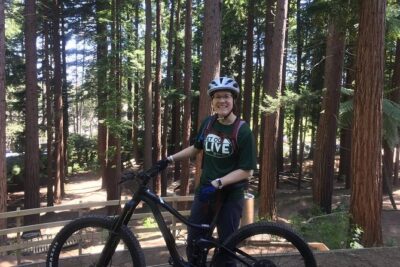
Half-Day Self-Guided Mountain Bike Journey through Whakarewarewa Redwood Forest
Read our review →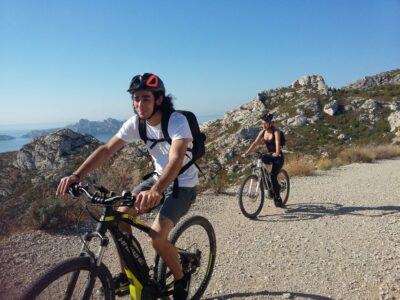
Calanques National Park: E-Mountain Bike with Virtual Guide
Read our review →
Marrakesh: Toubkal National Park Mountain Bike Trip w/Lunch
Read our review →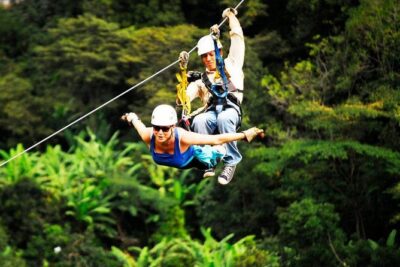
4-Day Inca Jungle Adventure, Mountain Biking, Rafting and Zipline
Read our review →Browse the lists this tour appears in