
Review · UBUD
Downhill Cycling Ubud with Volcano, Rice Terrace and Educational
The best part of this Ubud cycling tour is its route through everyday rural Bali. You start high near Mount Batur and roll downhill through rice terraces, village lanes, family compounds, schools, temples, and farms. It is an easy way to see much more than Ubud’s busy center without spending the day grinding up hills.
I like the local stops and the generous meal plan. Breakfast, coffee or tea, bottled water, and a Balinese nasi campur lunch are included, along with hotel pickup in the Ubud area. The main caution is equipment quality. Most riders find the bikes suitable, but some have noted older bikes or brakes that need attention, so check your bike before setting off.
Key things to know before booking
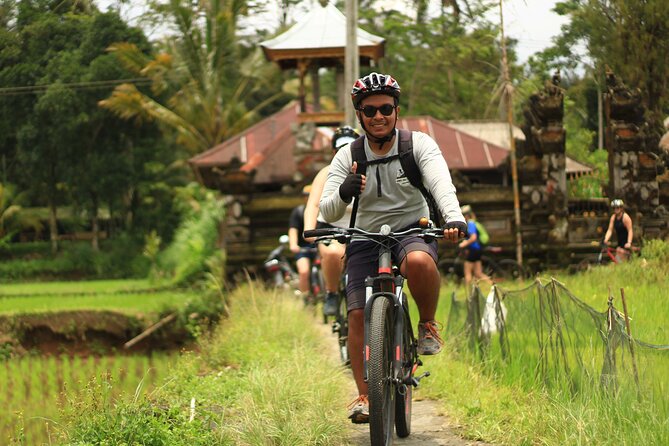
- The ride is mainly downhill: You cycle for about 2.5 hours from the Mount Batur area toward the countryside, with no major uphill workout described.
- The route shows village life: Expect rice fields, farm work, temples, a school area, family compounds, and local customs explained by an English-speaking guide.
- Food is part of the experience: A Balinese breakfast begins the day, and nasi campur, water, and drinks are included later.
- Coffee tasting is included: You visit a coffee plantation and sample coffee, tea, and related drinks while looking over the Ubud forest area.
- Ubud transfers save time: Pickup and drop-off are included for hotels in the Ubud area, but meeting-point communication deserves attention.
- Inspect your bicycle: Helmets are intended to be provided, but past participants have reported confusion about helmets and concerns about brakes or general maintenance.
Why the downhill route works so well
Cycling in Bali can sound harder than it is. The island has plenty of steep roads, but this tour begins near the Kintamani Volcano area and follows a downhill route into the countryside. That changes the whole mood of the day.
You still need a moderate level of fitness. You must steer, brake, stay alert, and handle a bike for roughly two and a half hours. But you are not asked to pedal uphill for long stretches. The gentle descent lets you focus on the scenery and the guide’s explanations instead of counting every rise in the road.
The ride is not a race. Guides stay with the group and make several stops. That suits families, casual cyclists, and anyone who wants an active morning without signing up for a demanding mountain ride. Strong cyclists may find the pace slow, especially if they want to cover ground quickly.
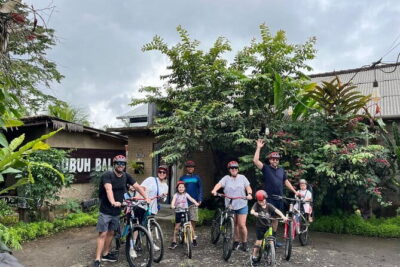
The group limit is 12 people, which is small enough for questions and regular checks. Several guides are named in the tour’s feedback, including Ade, Dewa, Made, and Patu. Their role is more than pointing out the road. They explain village customs, farming, family life, and local stories as you go.
More Mountain Bike Tours in Indonesia
- Ubud: Downhill Cycling with Volcano, Rice Terraces and Meal
★ 5.0 · 536 reviews - Bali Downhill Cultural Cycling Tour
★ 5.0 · 224 reviews - Ubud: Downhill Cycling with Volcano, Rice Terraces, and Meal
★ 4.9 · 189 reviews
Breakfast before the mountain drive
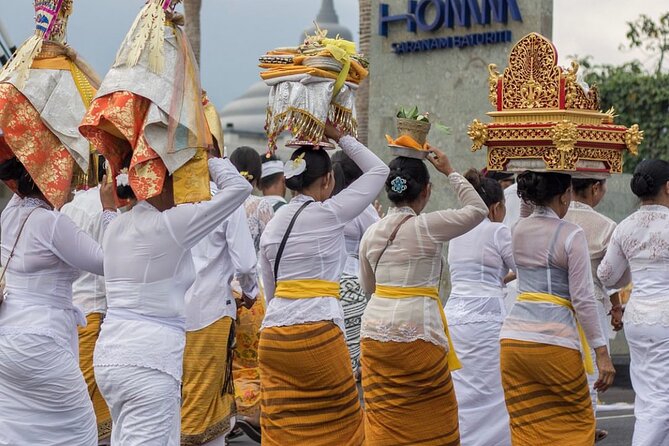
The day usually begins with pickup in the Ubud area, followed by a Balinese breakfast. The breakfast is not just a practical meal before exercise. It gives you an early taste of local food and sets the tone for a day built around ordinary Balinese life.
Coffee or tea is included. The food is described as a traditional Balinese breakfast, though the precise dishes can vary. You should arrive ready to eat, since the ride and mountain transfer follow soon after.
The breakfast stop has also been connected with a cooking school, where lunch is served later. That makes the food portion feel tied to the local setting rather than added as a basic packed meal. If you enjoy food as a way to understand a place, this is one of the tour’s strongest features.
Coffee, tea, and the road to Kintamani
Before the cycling begins, the vehicle heads toward the Mount Batur and Kintamani area. A stop at a coffee plantation includes a short introduction and tasting of various coffees and teas. Chocolate is also available at the shop, but purchases are not included, so bring money if you want to buy something.
The tasting is useful even if you are not a serious coffee drinker. Bali’s coffee culture is part of the island’s agricultural identity, and the stop gives you a look at how that product is presented to visitors. You may also get views over the Ubud forest area.
This part can feel less distinctive if you have already visited another plantation on Bali. The tasting is still pleasant, but it is worth knowing that it is a standard stop rather than the central reason to book the tour. The real value comes once you get on the bike and move through the villages.
Starting near Mount Batur
The bicycle section begins high in the Kintamani Volcano area. From here, the route heads down toward rural villages and rice-growing country. The volcanic setting matters because the elevation creates the downhill route and helps explain why the area is so productive for farming.
You can expect a mix of paved roads and smaller paths, based on the route description and stop details. The exact road surface may vary. This is not presented as a technical mountain-biking trip, so you should not expect jumps, rough single-track trails, or a fast downhill run.
The views are a major part of the ride. You pass rice terraces, jungle growth, farms, village homes, and religious sites. The scenery changes often enough to keep the route interesting, and the slower pace gives you time to look around.
Rain is possible in Bali’s mountain areas. One account describes only a few raindrops during the ride, but conditions can change. Light clothing, sun protection, and a small waterproof layer are sensible. Sun block is not included, so bring your own.
More Mountain Bike Tours in Ubud
- Ubud : Kintamani Downhill Cycling Tour with Lunch
★ 5.0 · 171 reviews - Bali Downhill Natural Cycling Tour & visit Volcano
★ 5.0 · 61 reviews - Ubud Wonderful Half Day Downhill Cycling Tour with Lunch
★ 5.0 · 27 reviews - Private Ubud Downhill Cycling with Volcano, Rice Paddies & Meal
★ 5.0 · 16 reviews
Rice fields and working farms
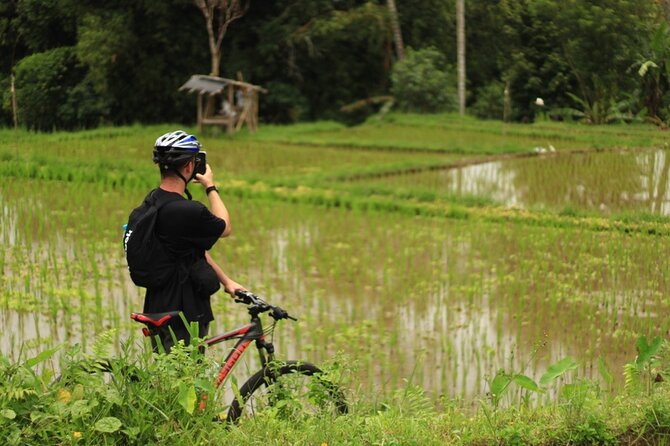
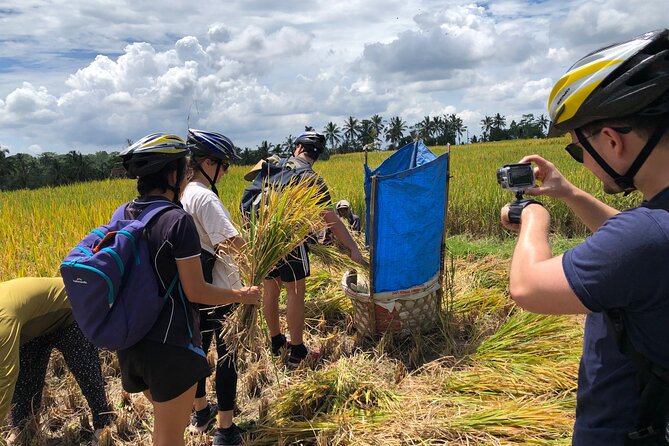
The rice terraces are not just photo stops. The guides may explain how local fields are used, and one stop includes a harvest demonstration in which you can take part. This gives the fields a practical meaning. You see farming as work, not simply as a pretty backdrop.
The route also passes other types of agriculture, including a flower farm. Depending on the season and the day’s route, you might see farmers working, fields at different stages, or schoolchildren along the road. These details are what make the ride feel connected to daily life.
You should keep your camera ready, but do not treat every stop as a quick photo break. The tour is at its best when you listen to the guide and watch how the villages function. The guide’s explanations about customs and folk stories add context that you would miss while driving past in a car.
A family compound and a closer look at village life
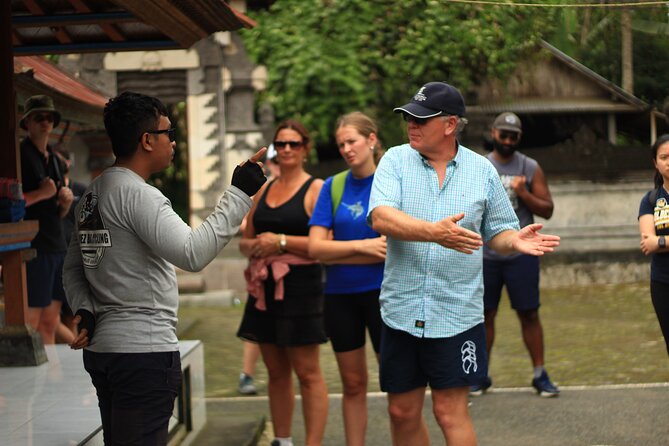
One of the most useful stops is a traditional family compound. You learn how a Balinese home is arranged and how family life works within it. Some guides have taken groups to a compound connected to the driver’s family, which can make the visit feel personal rather than staged.
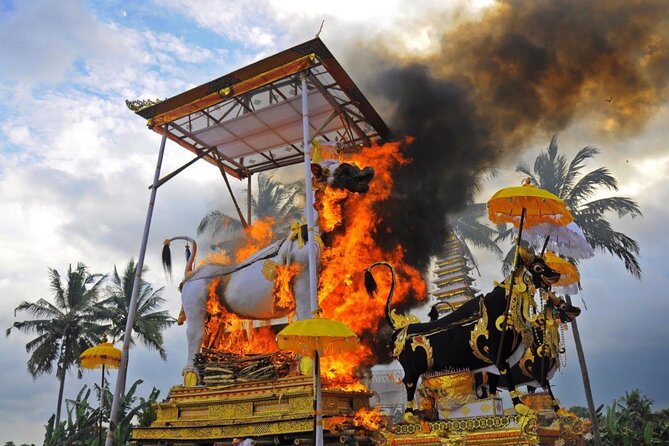
You may also visit a local cemetery. This is a chance to ask respectful questions about Balinese customs and community life. The tour presents these places as learning stops, not as entertainment, so follow the guide’s instructions and be considerate when taking photographs.
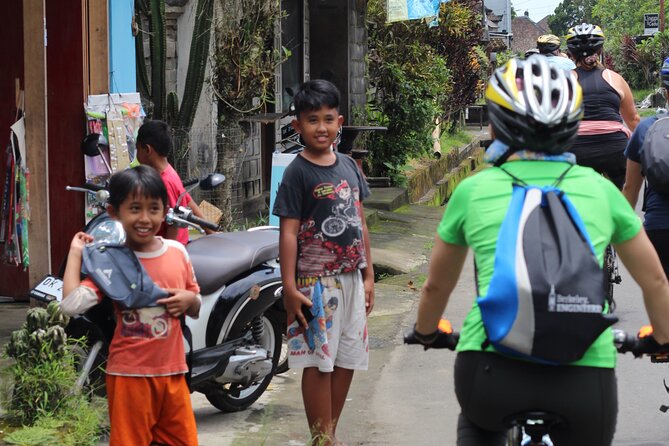
A school area and encounters with local children can also be part of the route. This is a memorable detail for families, but you should keep the interaction polite and brief. The point is to observe the setting and learn, not to turn the village into a photo prop.
The guides are an important part of this section. Ade is praised for his clear explanations, while Dewa has been described as speaking excellent English and sharing plenty of useful information. Made and Patu are also named as friendly guides who chose safe routes and kept the group together.
What the cycling feels like
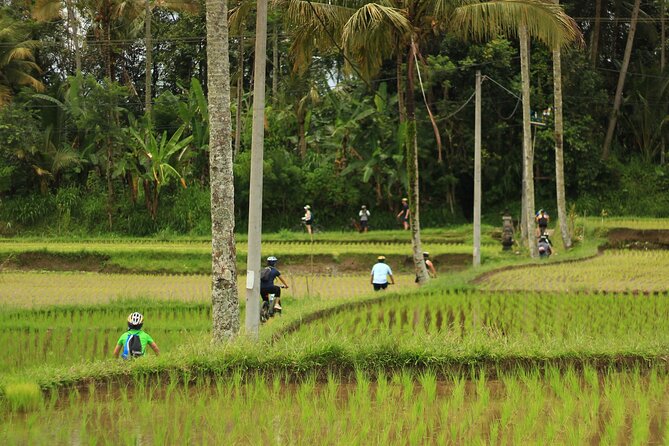
The ride lasts about 2.5 hours, including stops. That sounds long on paper, but the breaks divide it into manageable sections. You will spend time riding, stopping at homes and fields, listening to explanations, and taking photos.
The main physical challenge is not pedaling. It is controlling your speed on a descent. You need to use the brakes properly, watch the road, and keep enough space from the person ahead. If you are a nervous cyclist, tell the guide early. If you are a confident rider, remember that the group may move at a relaxed pace.
Bike quality is the main practical concern. Some riders have found the bicycles perfectly serviceable, while others describe them as older or in need of maintenance. One specific concern involved the brakes. That does not mean every bike is unsafe, but it does mean you should test the brakes, gears, saddle, and tires before leaving.
Helmets are meant to be supplied with the cycling equipment. One group reported confusion about helmets, while the operator stated that helmets had been prepared and returned to the group. Confirm that your helmet fits securely before riding. Do not feel awkward about asking for another one if it does not fit.
Lunch and the value of the package
The tour finishes with a Balinese lunch, usually described as nasi campur, with mineral water. This is a useful ending after the ride because you can eat properly rather than searching for food back in Ubud.
The lunch receives some of the warmest praise attached to this experience. It is described as delicious and generous, and the meal is served in a local family setting or at the cooking school. The food adds real value to the $25 price, especially when breakfast, coffee tasting, transport, equipment, and bottled water are also included.
At this price, the tour is unusually full. You are not paying only for a bicycle rental and a guide. You are also getting round-trip Ubud transport, two meals, coffee or tea, a tasting stop, insurance coverage, and a photographer during the cycling portion.
The low price does come with trade-offs. Do not expect premium bicycles or a highly polished luxury operation. Communication about meeting points has caused problems for some people, and bike maintenance may not match what you would expect from a specialist cycling company.
Pickup, timing, and group size
The experience lasts about seven hours, so plan most of your day around it. Pickup and drop-off are included for hotels in the Ubud area. If you are staying outside that area, confirm the arrangement before booking because the included transfer is specifically described for Ubud.
Pickup details deserve care. At least one booking had a meeting point changed shortly before the tour, with unclear map information. Use the contact method provided by the operator, and confirm the pickup time and location in writing before the morning of the tour. WhatsApp and email have worked well for some groups, but do not rely on an old meeting point without checking.
The maximum group size is 12. That is large enough for a social outing but small enough for the guide to monitor riders. Families and mixed-ability groups should find the format manageable, though stronger cyclists may want a faster and more independent ride.
The tour is generally suitable for most people with moderate fitness. It is not described as wheelchair accessible, and no details are provided about child seats, adaptive bicycles, or specialist mobility needs. If those services matter to you, ask before booking rather than assuming they are available.
Who should book this ride
I would recommend this tour to you if you want to see the Ubud countryside actively but do not want a strenuous cycling challenge. It works especially well for families, first-time visitors, casual cyclists, and anyone interested in Balinese homes, farming, food, and customs.
It is also a good choice if you value an all-in price. Breakfast and lunch alone make the $25 fare attractive, while the included transport means you do not need to arrange your own ride to the mountain starting point.
I would be more cautious if you are a serious cyclist. The route is intentionally easy, the pace may be relaxed, and the equipment is functional rather than high-end. You may prefer a tour focused on longer mileage, technical trails, or faster riding.
I would also ask extra questions if dependable communication is important to you. The tour can be well organized on the day, but meeting-point details have not always been clear. Confirm everything early, and check your equipment before setting off.
Cancellation is free up to 24 hours before the start time for a full refund. Changes or cancellations inside that window are not accepted for a refund, and the tour requires a minimum number of participants. If the operator cancels because that minimum is not reached, you are offered another date or experience, or a full refund.
Should you book it?
Book it if your ideal Bali day includes a gentle downhill ride, rice terraces, village paths, coffee, local food, and a guide who explains what you are seeing. The strongest parts are the route through ordinary countryside, the friendly English-speaking guides, and the excellent amount of food and transport included for $25.
Go in with sensible expectations. Confirm pickup details, bring sun block and some spending money, and inspect the bike and helmet before riding. If the operator handles those basics well, this is a low-cost, rewarding way to see a side of Bali that is easy to miss from a tour van.
FAQ
How long does the downhill cycling tour last?
The full experience lasts about seven hours. The cycling portion takes about 2.5 hours, with time also allowed for pickup, breakfast, coffee tasting, village stops, and lunch.
Where does the cycling take place?
The ride begins in the Mount Batur and Kintamani Volcano area and continues downhill through the countryside toward villages, rice fields, temples, and other local sites.
Is hotel pickup included?
Yes. Round-trip pickup and drop-off are included for hotels in the Ubud area.
What meals are included?
Breakfast is included at the start of the day, with coffee or tea. Lunch is also included and is described as Balinese nasi campur, with mineral water.
Are bicycles and helmets provided?
Cycling equipment, bicycles, and helmets are included in the tour price. Check that your helmet fits and inspect the bicycle, especially the brakes, before starting.
How difficult is the cycling?
The tour is intended for people with a moderate level of fitness. The route is downhill, but you still need to steer, brake, and ride for about 2.5 hours.
What is the maximum group size?
The activity has a maximum of 12 participants.
Can I cancel for a full refund?
You can cancel at least 24 hours before the experience start time for a full refund. Cancellations or changes made less than 24 hours before the start time are not refunded.
Just added around Ubud
- Ubud: Kintamani Downhill Cycling with small group & Private★ 5.0 · 4 reviews
- Ubud: Half-Day Tegallalang Electric Cycling Tour★ 4.9 · 24 reviews
- Ubud: Downhill Countryside Cycling From Kintamani★ 4.5 · 4 reviews
- Ubud: Cycling Tour Local Villages, Temple, and Rice Field★ 4.8 · 12 reviews
- Ubud Cycling Tour : All Inclusive Cycling Adventure★ 4.2 · 7 reviews
- Bali Amazing Cycling Tour★ 5.0 · 4 reviews
- The Volcano Trail – Epic Volcano Cycling Adventure★ 5.0 · 12 reviews
- Ubud Eco Culture Cycling Exploration★ 5.0 · 31 reviews
Mountain Bike Tours, compared.
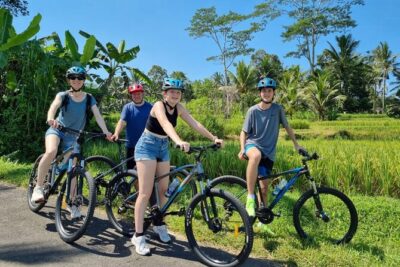
Downhill Cycling with Volcano, Rice Terraces and Meal
Read our review →
Mountain Bike Down the World’s Most Dangerous Road
Read our review →
Chiang mai Hike & Downhill Bike Adventure –Suthep National Park
Read our review →Downhill Cycling with Volcano, Rice Terraces, and Meal
Read our review →
Browse the lists this tour appears in