
Review · CYCLING TOURS
11 Day World Heritage Orkhon Valley National Park Cycling Tour
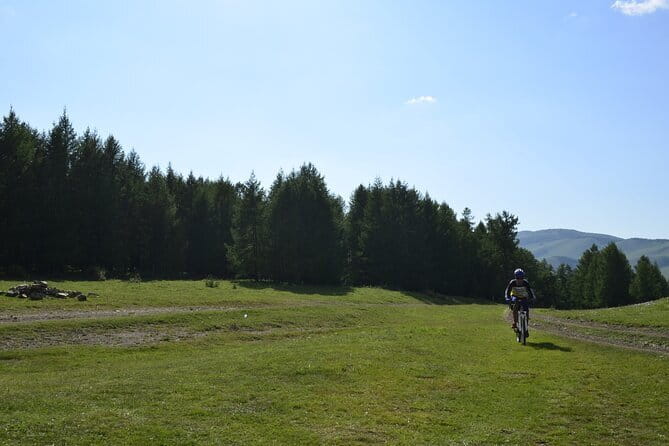
The best part of this trip is its steady progress through Mongolia’s open country, where a bicycle gets you close to nomadic life and the wide Orkhon Valley. You ride beside rivers, cross Khangai mountain passes, sleep in tents and gers, and finish near Kharkhorin, the former Mongol capital.
I like the mix of long rides and cultural stops, especially the Orkhon Waterfall, Tsenkher Hot Spring, Erdene Zuu, and time with families living in traditional felt homes. I also like the serious support system: a guide, bike mechanic, cooks, drivers, support vans, food, water, and airport transfers are all part of the plan.
The main catch is the riding. This is not a casual sightseeing holiday. You need moderate fitness for several long days, including a 61-kilometer opening ride, mountain passes, and a 71-kilometer day. Sleeping bags, mattresses, personal cycling clothing, insurance, and international flights cost extra.
Key points to know before booking
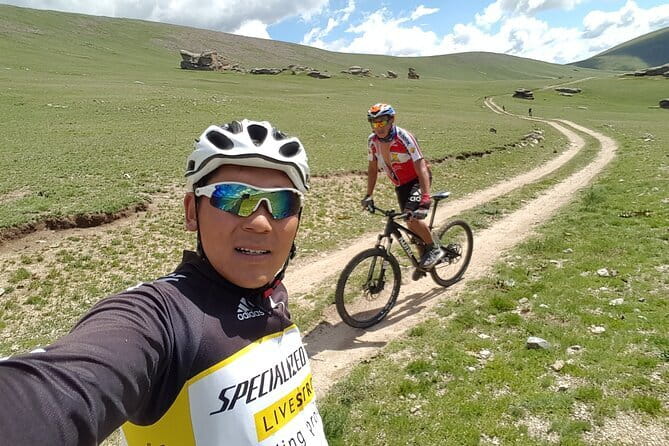
- Ride through the Orkhon Valley UNESCO site: Follow the river through the historic center of Mongolian nomadic culture.
- Expect real cycling distances: Daily rides range from 24 to 71 kilometers, with climbs and rougher mountain sections.
- Travel with strong practical support: Russian 4WD vans carry bikes and stay near the group, while cooks prepare meals and set up camp.
- Sleep in both tents and gers: The trip includes six tent nights, two tourist ger-camp nights, and two hotel nights in Ulaanbaatar.
- See Mongolia beyond the capital: Visit Ugii Lake, Elsen Tasarkhai, Tsenkher Hot Spring, Orkhon Waterfall, Kharkhorin, and Erdene Zuu.
- Join a small group: The maximum is 12 people, which matters on narrow roads and during visits to nomadic families.
Why cycling is the right way to see the Orkhon Valley
Mongolia is big, open, and lightly settled. In a vehicle, you can cover ground quickly, but you also pass through the country at a remove. A bicycle slows the journey to the pace of the river, the road, and your own legs.
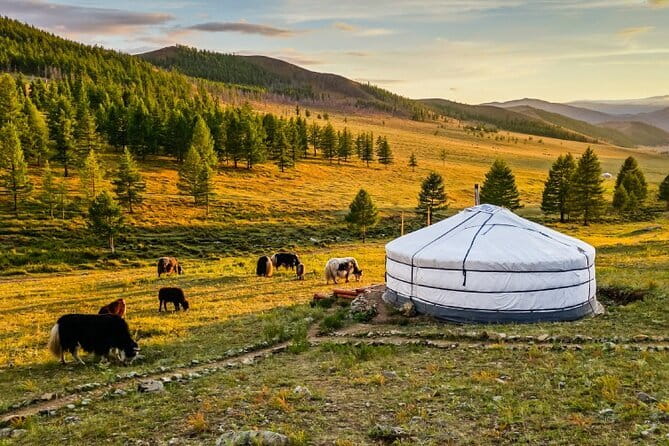
That slower pace is the real point here. You have time to notice felt gers beside the water, livestock spread across the grass, changing hills, and the small shifts in the land as you move north into the Khangai range. The route is not built around rushing from one landmark to the next.
The setting also gives the trip historical weight. The Orkhon Valley was home to major nomadic empires, including the Gokturks and Mongols. Kharkhorin was once the capital of the Mongol Empire, and the valley still carries traces of that older political and cultural world.
This is a guided cycling tour rather than a self-supported ride. A mountain biking guide helps with the daily riding, while an English-speaking cycling guide handles the broader trip. The support vans carry bike racks and remain nearby during the rides. That matters in a remote area, particularly when the route moves into the mountains.
More national park rides in the world:
- Chiang mai Hike & Downhill Bike Adventure –Suthep National Park
★ 4.5 · 204 reviews - Chiang Mai: Suthep National Park Hiking & DH Mountain Biking
★ 4.8 · 151 reviews - Self-Guided GPS Audio E-Bike Tour Hawaii Volcanoes National Park
★ 4.5 · 131 reviews
Days 1 and 2: Ulaanbaatar, Ugii Lake, and the little Gobi
Your first day begins at Chinggis Khaan International Airport, with a transfer to a four-star hotel in central Ulaanbaatar. The city tour gives you a useful introduction before the remote part of the trip begins.
At Sukhbaatar Square, you see the grand statue of Chinggis Khan in front of the parliament building. The National Museum of Mongolia then places the trip in a larger time frame, covering the country from early humans through the modern era.
The Choijin Lama Temple Museum provides a look at Mongolia’s Tibetan Buddhist tradition. It is a good contrast to the political history of the square and national museum. Admission to both museums is included.
That evening, the Tumen Ekh Ensemble performs traditional music, throat singing, and contortion. A welcome dinner and trip briefing follow. This is a full first day, but it helps you understand the country before you begin riding.
On Day 2, the group drives to Ugii Lake, a freshwater lake surrounded by rolling steppe. It is known as a summer stop for migratory birds and supports several fish species. You camp near the shore, with optional hiking, horseback riding, boating, and fishing available.
The drive also includes Elsen Tasarkhai, a stretch of sand dunes forming part of the 80-kilometer Mongol Els area. This is a useful early reminder that Mongolia is not one-note. Grassland, sand, lakes, rivers, and mountains all appear within the same journey.
One practical point: these opening days involve substantial driving before the main cycling begins. If you prefer a tour that starts pedaling immediately, this may feel slow. I see the benefit, though. The route must cover a large distance from Ulaanbaatar to the riding area, and Ugii Lake gives you a first night outdoors before the bicycle work starts.
Days 3 and 4: The Tamir River and the first long rides
Day 3 is the first serious cycling day. Before setting off, the mountain biking guide adjusts the bikes and explains the trip. The planned ride is 61 kilometers on a smooth, hard-packed dirt road through grassland beside the Tamir River.
The Giant ATX 600 series bikes are hardtails with Shimano 3×7 gearing. That setup is practical for dirt roads and moderate climbs, though you should bring your own cycling clothing and personal gear. The tour does not include sleeping bags or mattresses, so those need to be arranged before departure.
The support system is especially useful here. A vehicle stays near the group, while the kitchen vehicle goes ahead to prepare snacks and lunch and to set up the evening camp. Kitchen, shower, and toilet tents are part of the mobile camp arrangement.
Day 4 continues beside the Tamir River and gives you a closer view of seasonal nomadic life. Families choose pasture according to the conditions, and in summer many place their felt homes near rivers. You see herders and livestock, with only some modern tools changing the daily routine.
The road becomes hillier after about 35 kilometers. The hilly section lasts around 12 kilometers, then the route enters a mountainous area before a gentle downhill to camp near the river. That means the day is not simply a flat river ride. The timing of the climbs matters, and you should save energy rather than treat the first half as a race.
Days 5 and 6: Tsenkher Hot Spring and Khangai passes
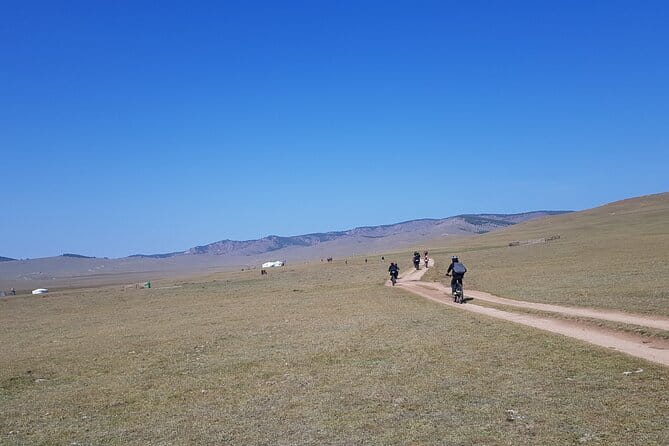
Day 5 combines an easy cultural rhythm with a more demanding finish. You ride about 40 kilometers through rolling grassland along the Tamir River, passing felt homes and herders with large flocks.
The route then rises toward the northern part of the Khangai range. This mountain area runs for roughly 700 kilometers and includes forest and meadow country in central Mongolia. You finish at Tsenkher Hot Spring, where you stay at a tourist ger camp.
The hot spring pool is filled with spring water, giving you a welcome chance to relax after the ride. A body massage is available for an additional fee. The hot spring is not simply a sightseeing stop. It breaks up the physical pattern of the tour and gives your legs a recovery evening.
Day 6 is one of the more demanding cycling days. You pass two small mountain passes early, at 1,872 and 1,848 meters, then continue toward a third pass at 2,030 meters around the 40-kilometer mark.
After reaching the high point, you have a pleasant 15-kilometer downhill to camp in Tsagaan Sum, or White Temple, Valley. This is a good example of the route’s rhythm: hard climbing, then a rewarding descent. It also explains why the tour asks for moderate fitness even though much of the later route is less demanding.
More heritage and temple rides in the world:
- Half-Day Ubud Electric Cycling Tour to Tirta Empul Water Temple
★ 5.0 · 315 reviews - Sukhothai: Historical Park & Countryside Cycling Tour
★ 5.0 · 276 reviews - Full Day Cycling tour to Sukhothai Historical Park
★ 5.0 · 163 reviews - Berlin Wall History Small Group Cycling Tour
★ 4.9 · 152 reviews
Days 7 and 8: The Orkhon Valley and its waterfall
Day 7 begins with two more climbs. From the top of the second pass, you get a broad view over the Orkhon River Valley, the central geographic and historical focus of the tour.
The Orkhon Valley Cultural Landscape is a UNESCO World Heritage Site because of its long connection with nomadic cultures and empires. The cycling route then drops easily for about 33 kilometers along the valley, with lunch on the way.
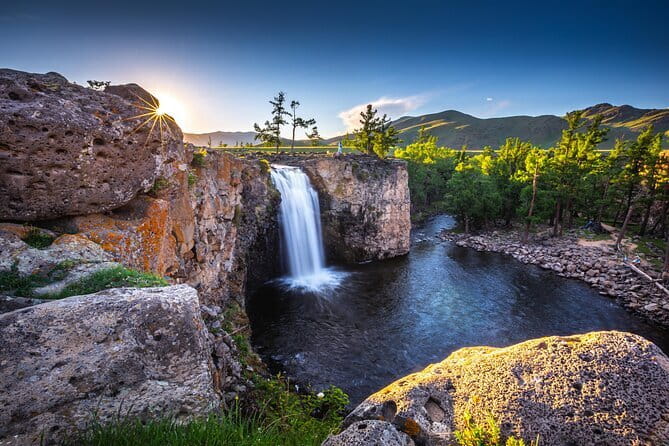
Camp is set near a riverbank. From there, you can walk or take a short drive to Orkhon Waterfall. The waterfall drops about 20 meters and is around 10 meters wide. A path takes you down toward the bottom of the gorge, about 22 meters below, with pine trees around the lower area.
Wear shoes with a secure grip for this visit. The waterfall area includes a climb down into the gorge, and the attraction is more than a roadside photo stop. It gives you a close look at the force of the water and the rock around it.
Day 8 is the longest cycling day, at 71 kilometers, but it is described as a descent along the Orkhon River. The route passes through an area with many nomadic families because the river provides good conditions for settlement and livestock.
This is one of the strongest cultural parts of the tour. You have opportunities to visit local families, taste dairy foods, and learn about their daily life. The experience is more direct than a staged cultural show. Still, keep an open and respectful attitude. You are entering working homes and family spaces, not visiting a museum.
The length of the day remains the concern. Even with a downhill profile, 71 kilometers is a serious distance on dirt roads. Your legs may be tired by the time the cultural visits begin, so pace yourself and use the support vehicle if the guide allows it.
Day 9: Kharkhorin, Erdene Zuu, and the old Mongol capital

Day 9 covers only 24 kilometers, but the first 10 kilometers climb. After that, the route becomes easier as you continue through the Orkhon Valley toward Kharkhorin.
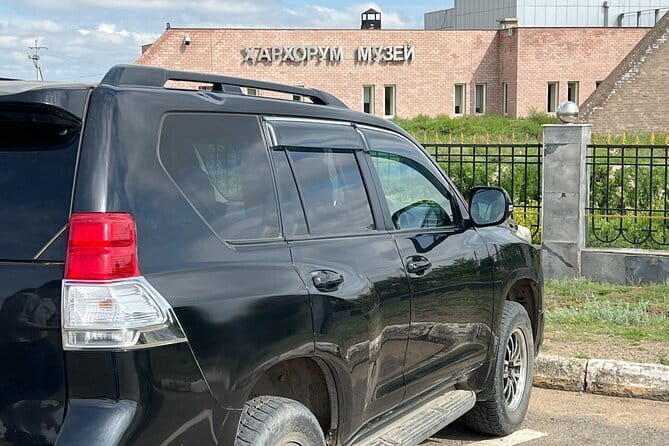
Modern Kharkhorin occupies the area near the former capital of the Mongol Empire. The old capital was destroyed, and some of its remains were later used in the construction of Erdene Zuu Monastery in the 16th century.
Erdene Zuu suffered severe damage during the Communist Purges of the 1930s. Several temples and the surrounding walls with stupas survived. The monastery gives you a direct connection to Mongolia’s Buddhist past, but it also tells a harder story about religious suppression and the loss of historic buildings.
The former capital was multicultural, with people and ideas moving through it from different parts of the known world. That makes Kharkhorin more than a final sightseeing stop. It helps explain how the Mongol Empire operated as a meeting place for cultures, trade, religion, and political power.
You should not expect a fully intact medieval capital. Much has disappeared. The value comes from the location, the surviving monastery, and the sense of how the valley once worked as a center of power.
Days 10 and 11: Returning to Ulaanbaatar
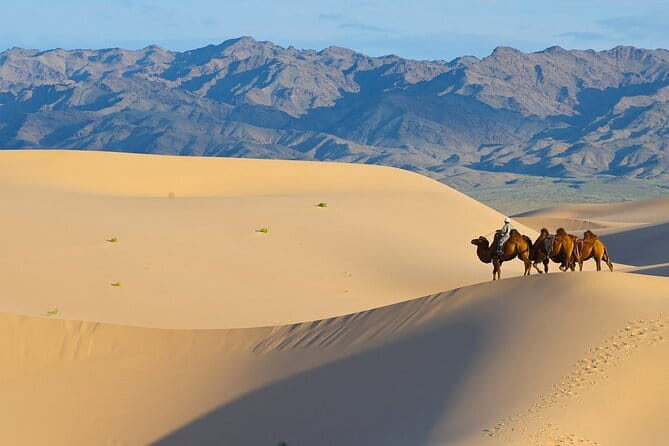
On Day 10, the bikes are loaded onto the support vehicles and the group drives back to Ulaanbaatar. Lunch is provided on the way, and you return to the hotel for rest before a farewell dinner.
This return drive is long, but it is sensible. After the demanding riding days, cycling back to the capital would add little to the main experience. The final evening gives you time to clean up, repack, and enjoy a last meal with the group.
On Day 11, the guide and driver take you to Chinggis Khaan International Airport. Airport transfers are included at both ends, which removes one of the more awkward parts of arranging a trip in a country with long distances and limited public transport between remote areas.
What the $2,935 price really covers
At $2,935 per person, this is not a budget cycling holiday. The value depends on how much support you want in a remote country.
The price includes two hotel nights in Ulaanbaatar, six tented nights, two nights at a tourist ger camp, and the listed meals: 10 breakfasts, 10 dinners, and nine lunches. Drinking water, snacks, and extra drinks during cycling are included as well.
You also receive the bike, English-speaking guides, mountain biking guides, cooks, support drivers, Russian 4WD vans with bike racks, entrance fees, national park fees, and international airport transfers. That is a substantial amount of staffing and equipment for a maximum group of 12.
The strongest value is the mobile camp operation. The cooks and drivers move ahead, prepare meals, and set up camp while you ride. In a remote part of Mongolia, that support is more meaningful than a polished hotel room.
Budget separately for travel insurance, international airfare, visa fees, optional activities, unlisted meals, sleeping bags, mattresses, and personal cycling clothes and equipment. Ask about the sleeping setup before you pay, since those items are specifically not included.
Who should book this cycling trip
I would choose this tour if you want Mongolia’s countryside, history, and nomadic culture in one organized trip, and you are comfortable with basic camping. It suits a beginner cyclist who can train for long days, as well as a stronger rider who wants a supported route rather than a solo expedition.
You should be ready for hard-packed dirt roads, climbs, remote camps, changing conditions, and long hours outside. The mountain sections in the northern Khangai area are the toughest part. The rest of the journey is less demanding, but the 61-kilometer and 71-kilometer days still require preparation.
The small group limit is helpful. A maximum of 12 people allows the guide and mechanic to keep an eye on the group, and it makes shared meals and family visits more manageable. The support team can be large compared with the group, with guides, a mechanic, cooks, and drivers handling different jobs.
The tour has received a top rating from the two reviews provided, with particular praise for care from airport arrival through departure, flexible attention to group timing, and the mix of cultural activities and cycling. One account describes five staff supporting a group of five, including a bike mechanic riding with the group, a cook, and two drivers. That is the kind of practical staffing you want on a remote cycling route.
Should you book the Orkhon Valley ride?
Book it if you want a supported adventure rather than a luxury holiday. The route gives you Mongolia’s major strengths: huge open country, river valleys, old imperial sites, ger camps, hot springs, and direct contact with nomadic families.
Skip it if you dislike camping, long dirt-road rides, or days when the scenery is the reward for sustained physical effort. For the right cyclist, the $2,935 cost is justified by the staff, transport, meals, equipment, admissions, and careful logistics. For a casual rider, the mileage and mountain passes may be more work than expected.
Cancellation terms are worth checking before payment. A full refund requires cancellation at least six full days before departure. A cancellation two to six days ahead receives 50 percent, and cancellations within two days are not refunded. The tour also requires a minimum number of participants, with a different date or full refund offered if that minimum is not reached.
FAQ
Where does the tour begin?
The tour begins with pickup at Chinggis Khaan International Airport near Ulaanbaatar. The stated start time is 8:00 am.
How long is the tour?
The experience lasts approximately 11 days.
How many people can join?
The maximum group size is 12 travelers.
What level of fitness do I need?
You need a moderate level of physical fitness. The route includes rides of 40, 61, and 71 kilometers, plus several mountain passes.
What type of bicycle is provided?
The tour provides a Giant ATX 600 series hardtail mountain bike with Shimano 3×7 gearing.
Are support vehicles included?
Yes. Russian 4WD vans with bike racks support the cycling sections and remain near the group.
Where will I sleep?
You spend two nights in a four-star hotel in Ulaanbaatar, six nights in twin tents, and two nights in a tourist ger camp in twin or triple accommodation.
Are meals included?
The package includes 10 breakfasts, 10 dinners, nine lunches, drinking water, and extra drinks and snacks during cycling. Meals not listed are not included.
Are sleeping bags and mattresses provided?
No. You need to arrange your own sleeping bags and mattresses.
Is travel insurance included?
No. Travel insurance, international flights, visa fees, optional activities, and personal biking clothing and gear are not included.
More Heritage Tours in the world
- Discover Trang An Natural World Heritage, Bich Dong Pagoda, Cycling Day Tour
★ 5.0 · 82 reviews - Sukhothai: Full-Day Historical Park Cycling Tour with Lunch
★ 4.9 · 55 reviews - Mountain Bike Historical Tunnel Trail to Hoover Dam from Las Vegas
★ 5.0 · 46 reviews - Anuradhapura Heritage Mountain bike / bicycle Tour
★ 5.0 · 34 reviews
More National Park Trips in the world
- From Marseille: Calanques National Park E-Mountain Bike Tour
★ 4.7 · 123 reviews - Calanques National Park: E-Mountain Bike with Virtual Guide
★ 4.8 · 81 reviews - Marrakesh: Toubkal National Park Mountain Bike Trip w/Lunch
★ 4.4 · 63 reviews - Cassis National Park E-Mountain Bike Experience with Virtual Guide
★ 5.0 · 52 reviews
Just added around the world
- Yogyakarta: Countryside Cycling and Cooking Class Experience★ 4.9 · 8 reviews
- Zagreb: 2.5-Hour Cycle Back to Socialism Tour★ 4.6 · 25 reviews
- Zell: Bike and boat tour with wine tasting and picnic★ 4.7 · 3 reviews
- Yogyakarta: Countryside Village Cycling Tour With Guide★ 5.0 · 16 reviews
- Amsterdam: Zaanse Schans E-Bike Tour with Windmills & Cheese★ 4.5 · 12 reviews
- Yamaha Fat Bike Adventure: Valencia’s Past and Future★ 4.5 · 2 reviews
- World’s Most Dangerous Road “Private” Mountain Biking Trip★ 5.0 · 7 reviews
- Yangshuo: Highlights Karst landscapes & Village Cycling★ 5.0 · 4 reviews
Heritage & Temple Bike Tours, compared.
Half-Day Ubud Electric Cycling Tour to Tirta Empul Water Temple
Read our review →
Full Day Cycling tour to Sukhothai Historical Park
Read our review →
Discover Trang An Natural World Heritage, Bich Dong Pagoda, Cycling Day Tour
Read our review →
Full-Day Historical Park Cycling Tour with Lunch
Read our review →
Full Day Cycling Amazing Chiangrai countryside and the White temple
Read our review →Browse the lists this tour appears in