
Review · HO CHI MINH CITY
Trails of Chinatown’s Richest Man – Ho Chi Minh City Cycling Tour
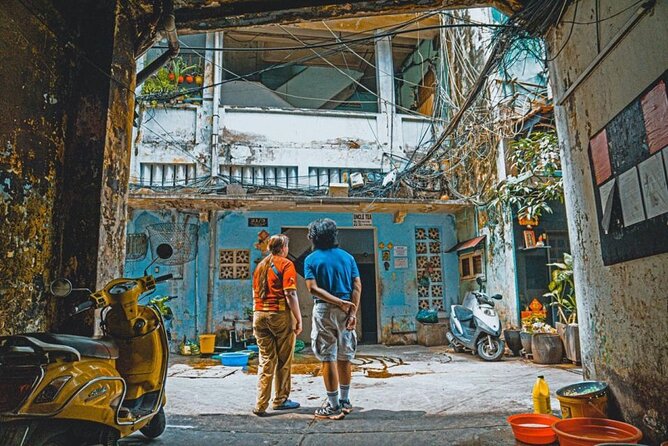
Quach Dam’s story gives this Ho Chi Minh City cycling tour a clear purpose. You are not simply pedaling past old buildings. You follow the path of a former scrap seller who became one of Saigon’s wealthiest men, with stops tied to his business, beliefs, and gifts to Cho Lon.
I like the route’s mix of narrow lanes and major landmarks, especially Xom Cui market, Hải Thượng Lãn Ông Street, Binh Tay Market, and Nghia An Assembly Hall. I also like the small group limit of nine, which should make it easier to ask questions and keep the ride personal. The drawback is that four hours on a bicycle, including city traffic and several stops, may feel tiring if you rarely cycle.
Key points to know before you book
- Quach Dam’s story links the entire ride: You learn how a young scrap seller rose to wealth and shaped Cho Lon.
- Xom Cui market shows old canal commerce: The area once received farm and seafood goods by boat through connected waterways.
- Hải Thượng Lãn Ông Street focuses on herbal medicine and feng shui: This is a useful stop for understanding Chinese traditions in Saigon.
- Binh Tay Market is the tour’s major landmark: The market represents Quach Dam’s contribution to the Cho Lon community.
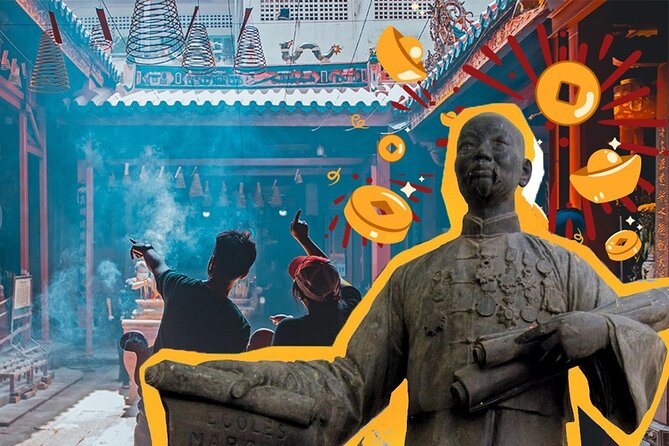
- Nghia An Assembly Hall adds religious and cultural context: You hear about local deities, customs, and reasons for worship.
- The group is capped at nine people: That is a good size for a guided ride through busy city streets.
Why Quach Dam makes a useful guide to Cho Lon

Cho Lon is often treated as a place to shop and eat, but this tour gives you a person to follow through its streets. Quach Dam began as a scrap seller and later became one of the richest people in Saigon during his era. His story ties together trade, Chinese community life, public projects, and personal beliefs.
That focus matters because it keeps the ride from becoming a string of unrelated photo stops. You get a reason to notice markets, old ports, medicine shops, religious buildings, and housing blocks as parts of one developing district.
The tour also points to Quach Dam’s contributions to future generations and to local people in Saigon and Cho Lon. The central example is Binh Tay Market, also known as Cho Lon Market. You see it not only as a place to visit, but as a physical reminder of his role in the area.
The story is best suited to you if you enjoy local history presented through streets and buildings rather than a long indoor lecture. The ride has enough movement to keep the morning active, but the route still leaves time for explanations at each main stop.
More city cycling tours in Ho Chi Minh City:
- Half Day – Saigon Off-the-Beaten-Path – City Cycling Tour
★ 5.0 · 39 reviews - Ho Chi Minh City Sightseeing Panoramic Cycling Tour By Cyclo
★ 4.9 · 11 reviews - Ho Chi Minh City Sightseeing Cycling Private Tour By Bicycle
★ 4.7 · 6 reviews
Starting at TK46/28 and getting ready to ride
The meeting point is TK46/28 Hẻm Bến Chương Dương in Cầu Kho, District 1. The first 15 minutes are used for an introduction, a safety briefing, and bicycle setup. That short opening is important in Ho Chi Minh City, where road movement can feel intense even if you are comfortable on a bike.
You should arrive ready to listen closely to the safety instructions. The information provided does not specify the bicycle type, helmet arrangements, or the exact traffic conditions on the route, so it is sensible to confirm any equipment questions before booking.
The activity lasts about four hours and returns to the same meeting point. That makes planning easier than a one-way ride, especially if you have another appointment later in the day. The route begins and ends in the city, with the middle section focused on Cho Lon and nearby districts.
A group maximum of nine people is a real advantage here. A smaller party can stop more easily in narrow lanes, and you have a better chance to speak directly with the guide. One published comment specifically praised a ride with Mr. Thi, noting that cycling in Ho Chi Minh City felt easier than expected and that the conversations with him were substantial. That makes Mr. Thi a useful name to request or confirm when arranging your booking, though guide availability is not guaranteed in the supplied details.
Xom Cui market and the old canal trade
The first major part of the route takes you toward Xom Cui market. The area once received agricultural and seafood products through a network of connected canals, with boats carrying goods to the market. That detail changes how you read the streets. What may look like an ordinary urban district begins to make sense as an old transport and trading zone.
You cycle through the area and visit the local community, including long-time residents and a garment factory. The factory visit gives the stop a present-day working angle, while the market helps explain how goods moved through the district in earlier years.
This is one of the route’s strongest sections for travelers who prefer everyday places to polished attractions. You are seeing a market area, residential streets, and working spaces rather than only famous monuments. At the same time, the information does not promise a formal factory tour or a guaranteed conversation with specific residents, so you should treat those elements as part of the route rather than a fixed performance.
Xom Cui also sets up Quach Dam’s story. His early life as a scrap seller connects naturally with trade, reused materials, markets, and the people who made their living around them. You begin with the practical side of commerce before moving into the cultural and religious side of Cho Lon.
Hải Thượng Lãn Ông Street and the world of herbal medicine
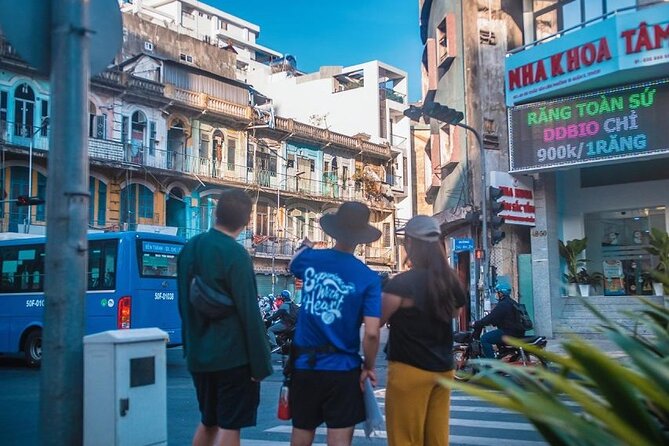
The tour then follows Hải Thượng Lãn Ông Street, a route tied closely to the Chinese community and herbal medicine. This stop lasts about 45 minutes and gives you time to consider both the business and belief systems that shaped this part of Saigon.
The street is also linked to feng shui, which is important to Quach Dam’s story. Here, the guide explains why location, orientation, and spiritual ideas mattered to a wealthy Chinese merchant and to the wider community.
You should expect this section to be more interpretive than purely scenic. The value lies in the explanation of how medicine, commerce, and belief met in the same urban setting. If you are interested in Chinese customs in Vietnam, this may be one of the most useful parts of the ride.
The trade-off is that the stop may appeal less if you want constant cycling or a long list of major monuments. Much of its interest comes from context. Listen closely, and the street becomes more than a route between attractions.
A few more rides around Ho Chi Minh City worth a look
- Cai Be Mekong Delta Tour: Cooking Class, Cycling & Craft Villages
★ 5.0 · 1,881 reviews - Mekong Day Trip Explore Village Bicycle CookingClass Group 12 Pax
★ 5.0 · 705 reviews - VIP Mekong Delta Adventure Cycling & Kayaking – Private Day Trip
★ 5.0 · 179 reviews - HCM: 2-Day Mekong Delta Floating Market with Cooking & Bike Ride
★ 5.0 · 133 reviews
Bình Đông Street and the beginning of the Chinese community
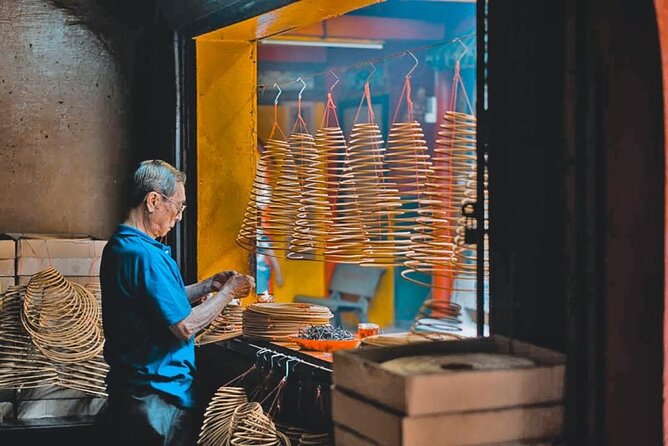
Bình Đông Street marks another major shift in the story. The guide takes you to an old port in Saigon, positioned parallel to one of the city’s long avenues. This stop is scheduled for about 45 minutes.
The port helps explain why Chinese communities developed in the south. Water access, goods, movement, and trade all shaped settlement patterns. Even without a long list of surviving structures, the location gives you a way to picture the commercial connections that helped Cho Lon grow.
This is also a good point to remember that the ride is about urban history, not just sightseeing. You are asked to pay attention to how a port, a road, a market, and a neighborhood relate to each other. That kind of explanation can be more rewarding than simply taking a quick photograph and moving on.
The description does not specify boat travel or a museum visit here. You cycle to the port area, hear about its role, and continue by bicycle. Plan on being outdoors throughout the activity.
Binh Tay Market, Quach Dam’s lasting mark
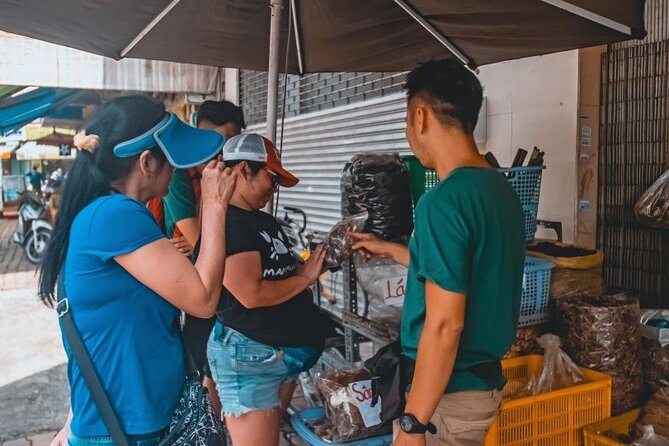
The longest stop is in Cho Lon, with about 90 minutes devoted to the Chinese community and its development. The main landmark is Binh Tay Market, also called Cho Lon Market. It is presented as the clearest symbol of Quach Dam’s contribution to the area.
This is where the tour’s central story comes together. You have already followed trade through Xom Cui, considered herbal medicine and feng shui on Hải Thượng Lãn Ông Street, and visited an old port on Bình Đông Street. At Binh Tay Market, those themes meet in a major commercial site associated with Quach Dam.
The time allocation is generous enough to avoid a rushed look at the market. You can pay attention to the building, the surrounding district, and the guide’s explanation of Quach Dam’s role. Since the itinerary includes a leisurely walk through a Chinese apartment complex afterward, the stop is not limited to the market façade.
The apartment visit helps you see how the community changed from earlier generations to the present. It gives the ride a human scale after the market’s public importance. You move from a large civic and commercial symbol into a residential setting.
There is a practical consideration here. Markets and apartment areas are active urban places, not controlled museum spaces. You will need to stay with the group and follow the guide’s instructions, especially while moving through narrow passages. The small group limit should help, but the ride still calls for awareness.
Nghia An Assembly Hall and Chinese religious customs
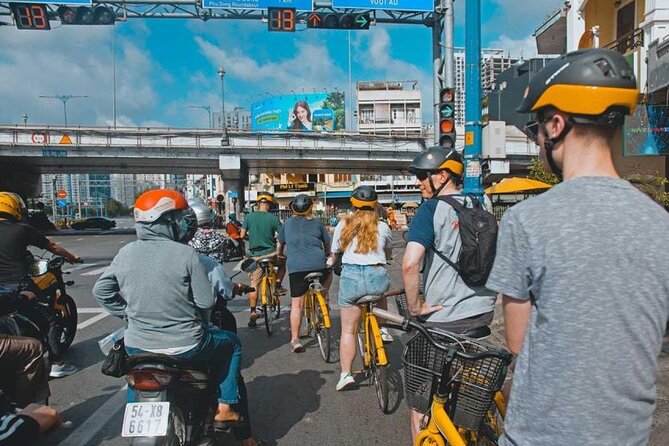
The final main stop is Nghia An Assembly Hall, where you spend about 30 minutes. This Chinese assembly hall is important for understanding how Chinese beliefs and customs influenced Vietnam.
The guide explains the deities honored there and why people worship them. That makes the stop more than an architectural visit. You learn how religious practice, community identity, and everyday hopes are tied together.
This is a valuable counterpoint to the market. Binh Tay Market shows public trade and civic life, while Nghia An Assembly Hall shows the spiritual side of the same community. Together, the stops help you see Cho Lon as a place shaped by commerce, family, belief, and shared customs.
The visit is relatively short, so you should not expect an exhaustive study of the assembly hall. Its purpose is to give you a clear introduction to the building and its traditions within the larger Quach Dam route.
Cycling back through Saigon
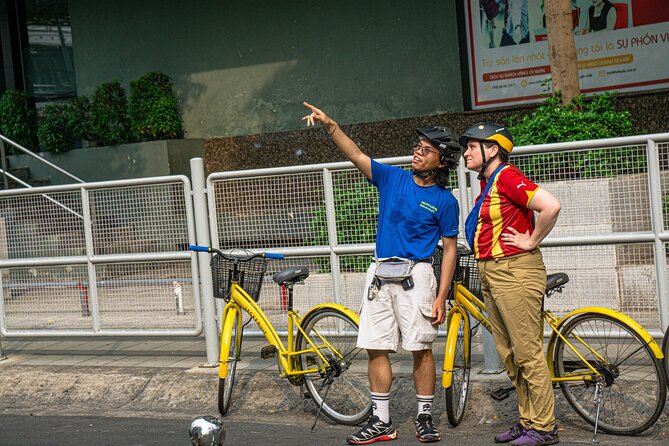
After Nghia An Assembly Hall, you cycle back through Saigon to the original meeting point. The return takes about 15 minutes according to the schedule, although city traffic can affect how any urban ride feels in practice.
Ending where you began is convenient. You do not have to arrange transport from a distant neighborhood, and the activity remains a contained half-day plan. The route also gives you a change of pace: the ride begins with setup, moves through markets and historic streets, pauses for cultural stops, and ends with a short return cycle.
The published feedback about Mr. Thi is worth keeping in mind here. The rider described cycling in Ho Chi Minh City as easier than expected and valued the exchange with the guide. That suggests the guide’s manner can shape the day as much as the route itself. A good conversation can turn traffic, alleys, and ordinary buildings into part of the story.
Is $40.08 a fair price?
At $40.08 per person, this is not the cheapest way to spend four hours in Ho Chi Minh City, but the price covers more than bicycle use. You are paying for a guided route, historical interpretation, safety briefing, several neighborhood stops, and entry to the included locations, including Binh Tay Market and Nghia An Assembly Hall.
The value is strongest if you would otherwise pass through Cho Lon without understanding its connections. A self-guided visit could show you the market and assembly hall, but it would be harder to connect them to Quach Dam, canal trade, herbal medicine, feng shui, and the old port.
Group discounts may improve the price for people booking together. Mobile tickets also make the booking process simple. The experience is booked, on average, eight days ahead, so I would not leave it until the last moment if your schedule is fixed.
The price is less attractive if you mainly want a fast bicycle ride or a private tour. This is a history and culture route delivered from a bicycle, not a fitness outing. Its value depends on how much you want the explanations and local context.
Who should book this ride?
I would choose this tour if you want to see a different side of Ho Chi Minh City and prefer a small group to a large bus. It suits adults and older children who can manage a four-hour activity and are comfortable cycling through an active city.
It is also a good fit for repeat visitors who have already seen central landmarks and want to spend time in Cho Lon. The focus on a single historical figure gives the route a shape that a general neighborhood ride may lack.
You may want to reconsider if cycling is difficult for you, if you dislike city traffic, or if you need a slow indoor tour. The supplied information says most people can participate, but it does not provide details about bicycle models, accessibility equipment, or the exact road conditions.
Free cancellation is available up to 24 hours before the start time. Changes or cancellations made less than 24 hours ahead are not accepted for a refund, and cut-off times follow local time.
Should you book Trails of Chinatown’s Richest Man?
Book it if you want a compact, active way to understand Cho Lon through trade, community life, religion, and one remarkable local figure. The best reasons are the small group size, the varied route, the Binh Tay Market connection, and the chance to speak with a guide such as Mr. Thi.
Skip it if you are looking only for famous sights, a private vehicle, or a relaxed walking tour. For the right rider, $40.08 buys a useful four-hour story of Chinatown that reaches beyond the usual market visit.
FAQ
How long does the cycling tour last?
The tour lasts approximately four hours, including bicycle setup, the main stops, and the ride back to the starting point.
Where does the tour start and finish?
It starts at TK46/28 Hẻm Bến Chương Dương, Cầu Kho, District 1, Ho Chi Minh City. The activity ends back at the same meeting point.
What places does the tour visit?
The route includes Xom Cui market, Hải Thượng Lãn Ông Street, Bình Đông Street, Binh Tay Market in Cho Lon, a Chinese apartment complex, and Nghia An Assembly Hall.
How large is the group?
The tour accepts a maximum of nine participants.
Is the tour suitable for most people?
The supplied information says most people can participate. It is a four-hour cycling activity, so you should be comfortable spending that amount of time on a bicycle.
Can I cancel for a full refund?
Yes. You can cancel at least 24 hours before the experience start time for a full refund. Cancellations or changes made less than 24 hours before the start time are not accepted for a refund.
Just added around Ho Chi Minh City
- 3 Hours Cycling Street Food Night Ride in Ho Chi Minh City★ 5.0 · 2 reviews
- Discover Ho Chi Minh City’s Street Food & Hidden Life by Bicycle★ 5.0 · 5 reviews
- Adventure awaits – Two days Mekong Outdoor Activities.★ 5.0 · 14 reviews
- Bike And Craft Beer Brewery Mekong Delta Cycling Tour★ 5.0 · 22 reviews
- Vietnam Cycling Tour: Ho Chi Minh city to Hoi An★ 5.0 · 3 reviews
- Mekong Delta Tour with Kayaking, Cycling and Cooking★ 5.0 · 33 reviews
- Mekong delta cycling tour 3 days★ 5.0 · 9 reviews
- Mekong Delta 2 days 1 nights Cycling Trip★ 5.0 · 6 reviews
City Cycling Tours, compared.

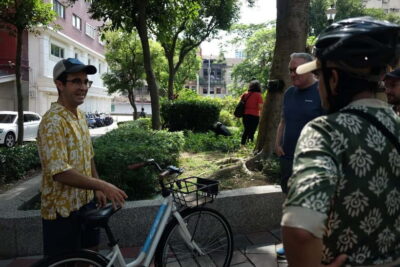
4-Hour Morning City Cycling Tour with Breakfast
Read our review →

Guided City Cycling Tour – Culture, Colors & Charm
Read our review →
Barcelona Highlights Bike Tour: Cycle along the beach!
Read our review →
Bike or E-Bike Tour Tirana: Highlights & Grand Park Guided Cycle
Read our review →Browse the lists this tour appears in