
Review · USA
Self-Guided GPS Audio E-Bike Tour Hawaii Volcanoes National Park
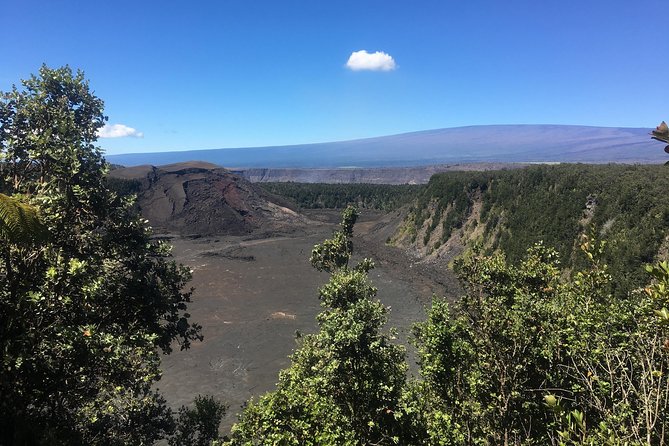
The unusual pleasure here is reaching parts of Hawaii Volcanoes National Park by bike that are closed to most vehicles. You can stop beside steaming vents, roll through native fern forest, and reach Keanakakoi Crater Overlook without hunting for a parking space. I especially like the freedom to pause when the view grabs you and the gentle electric assist, which takes the sting out of the uphill sections.
I also like the half-day format and the practical setup: secure parking, restrooms, a shaded orientation area, and staff support are included. The main catch is that the GPS app depends on your own working smartphone, and the route is not entirely effortless. Rain, slick pavement, gravel, and a few hills call for steady bike handling.
Key Points to Know Before You Ride
- Mostly downhill and paved: The route is designed to make a large park easier to cover, though you still need to steer, balance, shift, and manage changing conditions.
- Access beyond the car route: Keanakakoi Crater Overlook and parts of the bike trail give you views that are not available from a normal drive.
- A GPS audio guide replaces a live guide: The app covers geology, Hawaiian stories, plants, and volcanic activity, but its audio controls can take some getting used to.
- Weather changes quickly at 4,000 feet: Bring layers, closed-toe shoes, sunglasses, sunscreen, and rain protection.
- Your phone is part of the equipment: Download the app ahead of time, charge your phone fully, and consider bringing a backup battery.
- The price is $159 per person: Add the $15 national park entrance fee, and remember that a $1,500 equipment deposit is pre-authorized per party.
A Different Way to See Kīlauea
A car is useful in this park, but it can make volcanic country feel strangely distant. You sit behind glass, drive from pullout to pullout, and sometimes circle for a parking space. On an e-bike, you hear the wind, smell wet forest, and feel the temperature change near steam vents.
This is a private, self-guided outing rather than a group ride with a guide setting the pace. You receive an electric comfort hybrid bicycle, helmet, lock, and a short safety lesson, then ride less than a mile to the park’s bike trail entrance. From there, the GPS app leads you between major sights.
The route is planned to be mostly downhill or level, with paved roads and paths doing much of the work. That description should not be taken to mean effortless cycling. You still need to control the bike on curves, gravel, and wet pavement. The operator specifically requires a moderate fitness level and does not recommend the ride for beginner cyclists.
For a confident recreational cyclist, the electric assist is the sweet spot. You can pedal for exercise or turn up the assistance when the air is cool, the road tilts upward, or you want to save energy for walking around the sights.
More E-Bike Tours in the USA
- Small-Group E-Bike Adventure Tour through Hidden Santa Fe
★ 5.0 · 276 reviews - 2 Hour E bike Ride at The Peavine Trail (Popular)
★ 5.0 · 250 reviews - Galveston Island E-Bike Adventure Tour
★ 5.0 · 156 reviews
What the $159 Price Really Covers
At $159 per person, this is not a cheap bike rental. It is better understood as a half-day park access package. The price includes the electric bike, helmet, lock, GPS audio app, equipment briefing, parking, restroom access, and live support during the outing.
The biggest value is time. You can cover a broad section of the summit area without repeatedly returning to a car. You also avoid the frustration of finding parking near popular viewpoints. That matters most on a busy day, when a short stop can turn into a long wait.
You still need to budget for the national park entrance fee, listed as $15 per person. A backpack can be rented for $5, while rain jackets and bottled water are available at the Kīlauea General Store. The $1,500 equipment deposit is pre-authorized per party, so bring a credit card and identification.
I would call the price fair for visitors who want active transportation and a flexible route. If you only want a quick look at the crater from a few roadside stops, driving yourself will cost less. If you value easy parking, a supplied bike, and access to bike-only sections, the added cost makes more sense.
Starting at Bike Volcano
The meeting point is Bike Volcano at 19-3972 Old Volcano Road in Volcano. The stated morning start is 9:30 a.m. An afternoon departure is also offered, but it requires at least four riders. Another operating note lists bike pickups from 10 a.m. to 4 p.m., so I would confirm the exact arrival time after booking rather than assume the earlier time applies to every departure.
Arrive with your phone ready. The app is central to the experience, not a minor extra. You need a fully functioning smartphone with internet access, and it is wise to download the GPS program before reaching the shop. One poor experience came from arriving with a phone that could not connect and expecting staff to solve the problem while helping other riders.
The orientation covers bike use and safety. Tell the staff your name and height when booking so they can prepare the right frame. A taller rider should request a large frame. The shop provides a canopy staging area, which is useful in Volcano’s damp, changeable weather.
Dress for the summit, not the beach. Kīlauea sits around 4,000 feet, and temperatures can be 12 to 15 degrees cooler than at sea level. A T-shirt, shorts or long pants, and a jacket give you options. Closed-toe shoes and protective eyewear are required. I would also pack sunscreen, a hat, water, and a backup phone battery.
Crater Rim Riding and the First Views
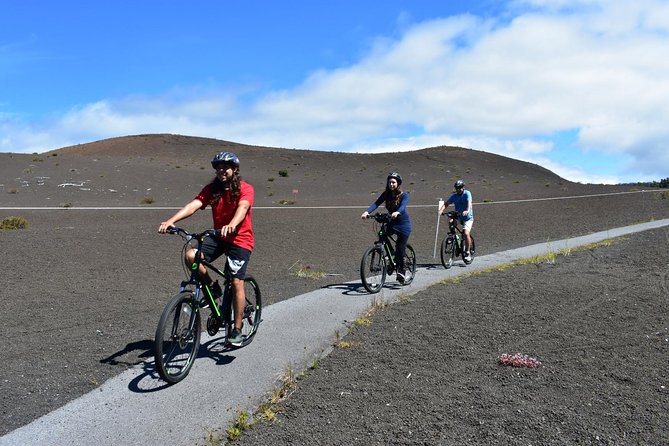
After the short ride to the park entrance, you follow scenic, less-used trails near the rim of the erupting crater. This is where the bicycle earns its keep. You can stop often without worrying about holding up a bus or finding a legal pullout.
The GPS narration supplies background on volcanic geology, Hawaiian mythology, and the area’s cultural meaning. Pele, the volcano goddess, is part of the story, but the app also explains the physical forces behind the craters, lava fields, and steam vents.
The audio content itself is useful, though operating it may require patience. The map and spoken commentary are not always handled from the same place in the app, so you may need to select separate links at points of interest. Use the orientation time to make sure you can start the map, trigger the narration, and return to navigation.
This is a self-guided tour, which is its great strength and its limit. You can linger at a crater or skip a stop, but you will not have a person riding beside you to answer every question. Live staff support is available for safety and park guidance, but the interpretation comes through the phone.
More national park rides in the USA:
- Forest Park Carbon Gravel Bike and E-Bike Tour
★ 5.0 · 21 reviews - Chiang mai Hike & Downhill Bike Adventure –Suthep National Park
★ 4.5 · 204 reviews - Chiang Mai: Suthep National Park Hiking & DH Mountain Biking
★ 4.8 · 151 reviews - Half-Day Self-Guided Mountain Bike Journey through Whakarewarewa Redwood Forest
★ 5.0 · 124 reviews
Nahuku and Thurston Lava Tube
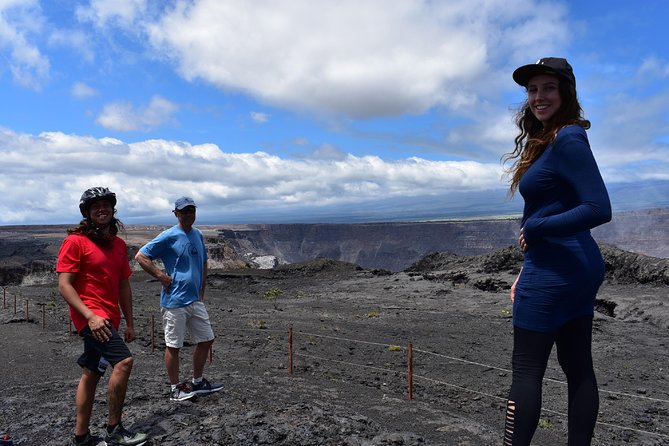
One of the most rewarding stops is Nahuku, also called Thurston Lava Tube. The visit includes a short loop walk of about 15 minutes through native rainforest before you reach the tube.
The forest here is a good reminder that volcanic terrain is not all black rock and smoke. Hapuʻu ferns rise around the path, and the shaded setting feels cool after riding in exposed areas. The first audio segment explains the plants and the cultural importance of the site.
Inside the lava tube, molten rock once moved through a channel and left a cave behind as the outer surface cooled. You walk through smooth, winding passages with vegetation around the openings. It is a compact stop, but it gives you a clear physical sense of how lava can shape the island.
The path is short, yet this is still a walking stop rather than a bicycle stop. Wear shoes with a secure grip and watch the weather. Rain can make every part of the park feel different, especially the transition from forest shade to wet pavement.
Kīlauea Visitor Center and Volcano House
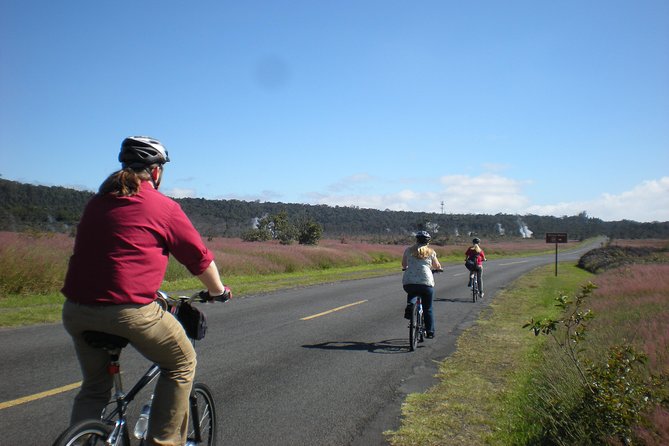
The Kīlauea Visitor Center provides a useful pause from the saddle. Exhibits cover volcanic forces, native wildlife, Hawaiian culture, maps, and the changing condition of the park. Rangers can provide safety updates and current advice, which matters in an active volcanic area.
The center also has a bookstore and gift shop. If you want more context than the audio app provides, this is the place to pick up a map or educational book. I would use the stop to check current park conditions and ask about any closures before continuing.
A lunch break at Volcano House overlooks the crater and gives you time to warm up or dry off. Lunch is not listed as included with this self-guided experience, so plan to buy food separately or bring your own if permitted. The view is the main reason to pause here, and it makes a useful midpoint in a four-and-a-half-hour outing.
Keanakakoi Crater Overlook by Bike
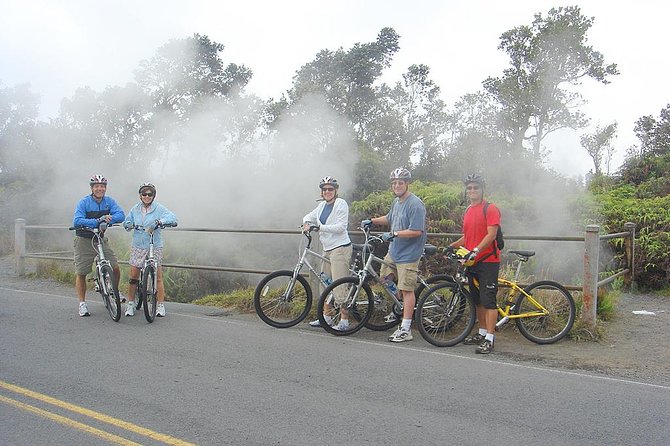
The most distinctive part of the ride is the approach to Keanakakoi Crater Overlook. This area is accessible by bike or on foot, giving cyclists a practical advantage over visitors who are sticking to the main driving route.
The two-mile bike trail passes through koa and ʻōhiʻa forest before opening toward the crater area. The GPS narration adds stories about volcanic events, ancient Hawaiian basalt quarrying, and local ecology. You get both the living forest and the stark volcanic ground in one stretch.
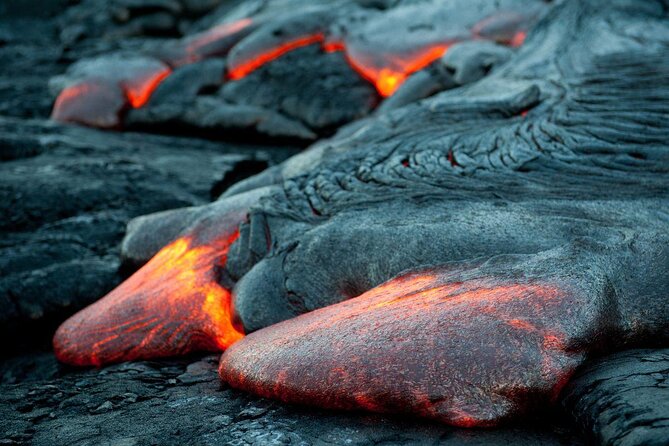
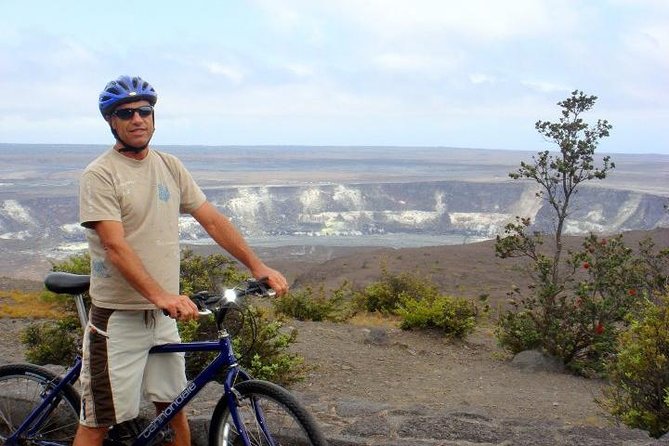
Views toward Halemaʻumaʻu Crater can be dramatic, but volcanic activity changes. On rare days, conditions may allow you to see lava flowing into the sea or fountains rising more than 1,000 feet. Treat those sights as a possible bonus, not a promise. The park’s conditions, closures, weather, and current eruption activity determine what you can actually see.
Do not confuse the route’s access with permission to ride everywhere. Park rangers may remind cyclists that bikes are not allowed on walking trails. Follow signs and stay on the designated cycling route, even if another path looks like a tempting shortcut.
Weather, Safety, and Riding Ability
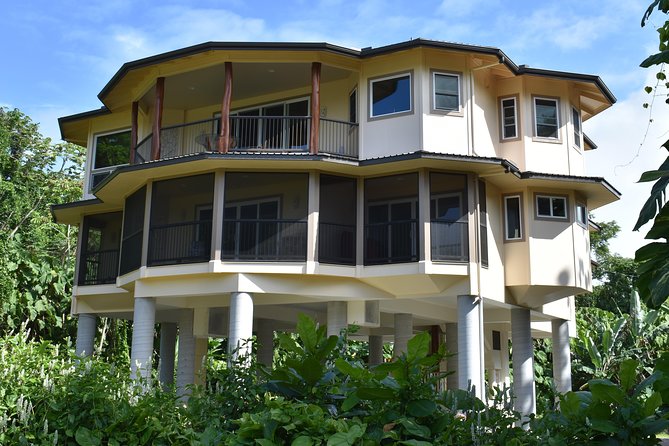
The summit can be wet, windy, misty, and chilly at any time of year. The operator may cancel for poor weather and offer another date or a full refund, but ordinary light rain can still affect your ride. A rain jacket is not included. It can be purchased at the Kīlauea General Store, though supplies may not always be available.
Wet roads deserve extra care. Keep your speed down on curves and slick pavement, leave room between riders, and do not assume the electric motor makes the bike safer. One past group had a serious crash after rain made the road slippery, which is a useful warning for anyone tempted to treat the downhill sections like a race.
The ride is not available to children under 15 or anyone over 270 pounds. You should be comfortable steering, shifting, balancing, and riding on both paved and gravel surfaces. If you are a nervous cyclist or have not ridden a bike in years, this is not the right place to relearn.
The $1,500 deposit also gives you a reason to take the safety briefing seriously. Check the brakes, seat height, gears, and phone mount before leaving the staging area. A few extra minutes at the start can prevent a problem later.
How the GPS Audio Works in Practice
The app gives the outing structure without locking you to a guide’s timetable. You can stop for photographs, walk to a viewpoint, eat at Volcano House, or take a little longer in the rainforest. That flexibility is especially useful for families and couples with different energy levels.
The strongest part of the narration is its range. You hear about volcanic science, native plants, Hawaiian beliefs, and the human use of the area. The weaker part is the user interface. The map can drain your phone battery quickly, and the audio may be reached through a separate link.
I would start with a full charge and carry a power bank. Download the app before arrival if possible, then test it on the shop’s Wi-Fi. Bring a paper map or ask staff how to get help if the phone fails. The company can provide operator assistance and a paper map, but the full GPS experience depends on your device working properly.
Who Will Enjoy This Ride Most
I would choose this for an active couple, family with older teenagers, or small private group that wants more freedom than a coach outing provides. It also suits anyone who dislikes spending a day circling parking lots and walking long distances between separate sights.
It works well for visitors who want to combine riding with short walks. You can cycle between stops, then leave the bike briefly to explore Thurston Lava Tube or the visitor center. The electric assist also lets you set your own effort level instead of treating the ride as a fitness challenge.
I would skip it if you want a hard mountain-bike workout, a fully guided educational tour, or a guaranteed lava show. It is a relaxed sightseeing ride, not a technical cycling trip. You also need to be comfortable managing your own phone, route, pace, and safety.
The tour takes about four and a half hours, leaving the rest of the day open. That makes it easy to pair with another Big Island activity, though you should allow time for changing weather and an unhurried return to the bike shop.
Should You Book the Hawaii Volcanoes E-Bike Tour?
Book it if you want to experience Kīlauea at ground level, reach bike-accessible viewpoints, and set your own pace. The best reasons are the easy electric assist, freedom from parking problems, and the chance to move from rainforest to crater rim under your own power.
Think twice if $159 feels high for transportation, if you are a beginner cyclist, or if you need a guide beside you at every stop. The national park fee is extra, weather can be wet and cold, and the phone-based audio system needs preparation.
For a confident rider who packs layers, downloads the app early, and treats active lava as a lucky possibility, this is a memorable and practical way to see more of the park in half a day.
FAQ
How much does the e-bike tour cost?
The listed price is $159 per person. The national park entrance fee is separate and is listed as $15 per person.
How long does the experience last?
The outing takes approximately four hours and 30 minutes.
Where does the tour start and finish?
It starts and ends at Bike Volcano, located at 19-3972 Old Volcano Road, Volcano, Hawaii 96785.
What time does the morning tour begin?
The morning pickup is listed at 9:30 a.m. An afternoon option is also available, but it requires a minimum of four riders. Confirm the exact pickup time when booking.
Is a smartphone required?
Yes. You need a fully functioning smartphone to use the GPS audio app. Download the app before arrival if possible and bring the phone fully charged.
What equipment is included?
The experience includes an electric comfort hybrid bicycle, helmet, lock, GPS audio app, secure parking, restroom access, a covered staging area, safety instruction, and live operator assistance.
What should I wear?
Wear layered clothing, closed-toe shoes, sunglasses or prescription glasses, sunscreen, and a hat. Summit weather can be rainy and chilly, so bring rain protection.
Are there age, weight, or fitness restrictions?
Riders must be at least 15 years old and weigh no more than 270 pounds. A moderate fitness level is required, and the ride is not recommended for beginner cyclists.
More E-Bikes in the USA
- Camelback E-Bike & Hike Tour – 2.5 Hours
★ 5.0 · 132 reviews - Electric Bike Ride & Diamond Head Hike Tour
★ 5.0 · 125 reviews - Sunset E-Bike Ride
★ 5.0 · 113 reviews - Sonoma Valley Bike and Wine Ebike Tour
★ 5.0 · 112 reviews
More Self-Guided Bike Tours in the USA
- Self Guided E-Bike Tour on Lake Tahoe’s East Shore Bike Path
★ 5.0 · 79 reviews - Guided or Self-Guided Road Bike Tour of Red Rock Canyon
★ 4.5 · 75 reviews - Waikiki Electric Bike Self Guided Tour- Manoa Falls Bike and Hike
★ 4.0 · 5 reviews - Scenic Mackinac Island: A Self-Guided Cycling Audio Tour
★ 4.0 · 5 reviews
Just added around the USA
- NON BUS Traverse MOVIE STARS Old Mission Bike Wine Tour★ 5.0 · 2 reviews
- Bike Tour or Mountain Bike down Vail Mountain★ 5.0 · 9 reviews
- Mountain Bike Rentals★ 5.0 · 2 reviews
- Guided Mountain Bike Tours – Zion★ 5.0 · 6 reviews
- Echo Canyon Camelback E-Bike & Hike Tour – Scottsdale – 2.5 Hours★ 5.0 · 11 reviews
- Viator Exclusive – Half Day Mountain Bike Tour from Seattle★ 5.0 · 3 reviews
- Santa Fe E-Bike Adventure Private Half-Day Tour★ 5.0 · 3 reviews
- Official Alcatraz Tour and Golden Gate Bridge Bike Ride★ 5.0 · 3 reviews
National Park Bike Tours, compared.
Chiang mai Hike & Downhill Bike Adventure –Suthep National Park
Read our review →
Suthep National Park Hiking & DH Mountain Biking
Read our review →
Half-Day Self-Guided Mountain Bike Journey through Whakarewarewa Redwood Forest
Read our review →
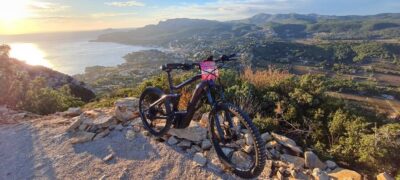
Calanques National Park: E-Mountain Bike with Virtual Guide
Read our review →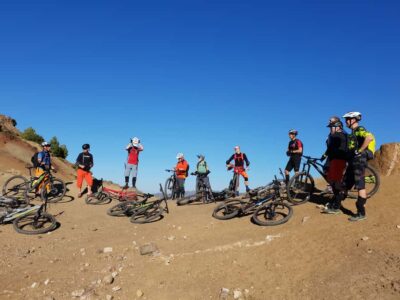
Marrakesh: Toubkal National Park Mountain Bike Trip w/Lunch
Read our review →
4-Day Inca Jungle Adventure, Mountain Biking, Rafting and Zipline
Read our review →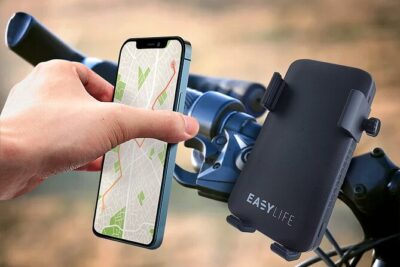
Cassis National Park E-Mountain Bike Experience with Virtual Guide
Read our review →Browse the lists this tour appears in